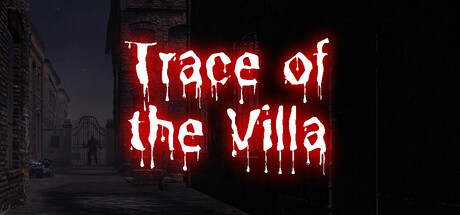
Trace of the Villa — who should wishlist this atmospheric mystery adventure
Trace of the Villa drops you into Jin’s search for a missing sister inside a remote, decaying mansion where recovered manifests and hints suggest she may still be alive. Released on 28 May, 2026 by Steadyturtle Co., Ltd., the game promises clue-driven exploration, environmental storytelling, and document-based investigation across an isolated estate.

Quick facts
| Title | Trace of the Villa |
|---|---|
| Developer / Publisher | Steadyturtle Co., Ltd. |
| Release date | 28 May, 2026 |
| Genres | Action · Adventure · Indie |
| Key Steam features | Single-player; Color Alternatives; Custom Volume Controls; Playable without Timed Input; Subtitle Options; Family Sharing |
| Platform | PC / Steam |
| Store page | Trace of the Villa on Steam |
What the game is
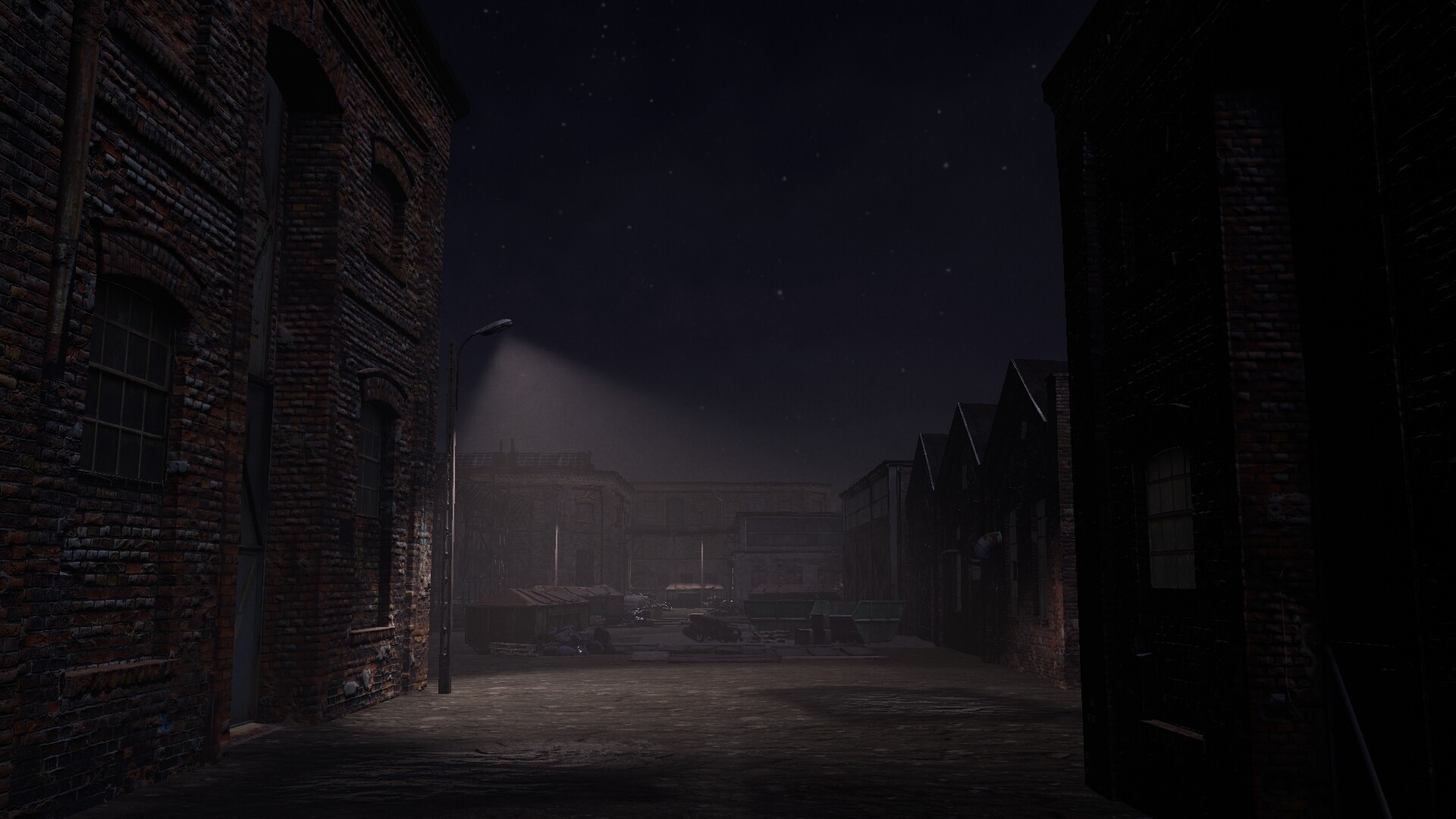
The Steam description frames Trace of the Villa as a narrative investigation built around a single protagonist, Jin, who follows a lead to a deliberately forgotten mansion. Rooms feel “erased” rather than merely abandoned: furniture remains, personal items sit undisturbed, but names and photographs are missing. Restoring power to the estate reveals secured systems, hidden compartments, encrypted documents, manifests and suspicious transfer records that point to falsified identities and controlled movements.
Who this is for
- Players who prefer slow-burn, atmosphere-first mystery over combat-driven action.
- Fans of investigative adventures that reward cataloguing documents, cross-referencing manifests and piecing together timelines from found items.
- Explorers who enjoy environmental storytelling — reading the scene as much as reading text logs and files.
- Those who want accessible options: single-player focus, subtitles, no mandatory timed inputs, and color alternatives.
When and where to play
Trace of the Villa is available on Steam, released 28 May, 2026. The store page lists standard PC/Steam features and accessibility options such as subtitle support and custom volume controls.
Why the mansion-investigation theme matters
Document-heavy, room-by-room investigations change the player’s beat: progress comes from reading manifests, decrypting fragments and linking physical clues to timelines rather than from reflex or combat. That approach foregrounds atmosphere and deduction — a different satisfaction from puzzle-box or jump-scare horror: you’re piecing an explanation together from records the estate keeps and from what the house seems to have deliberately removed.
How you progress (what to expect while playing)
- Search rooms and recover manifests, encrypted files and transfer records that serve as the primary breadcrumbs.
- Restore estate systems to unlock hidden compartments and further evidence — progression ties narrative beats to systems coming back online.
- As clues accumulate, build a timeline and link falsified identities and suspicious transfers to the larger operation hinted at by the mansion’s state.
- Expect exploration mixed with document analysis rather than heavy platforming or timed-reaction sequences (the Steam page lists “Playable without Timed Input”).
Who should wishlist it — concrete player scenarios
- You enjoy reconstructing stories from paper trails: manifests, ledgers, emails or encrypted fragments that point to a broader conspiracy.
- You prefer slow, mood-driven unraveling: lingering in rooms, inspecting details and letting tension build through setting and implication.
- You want an accessible single-player mystery with subtitle support, custom audio, and options for non-timed puzzles.
- You’re drawn to tales where identities are erased and the detective work is forensic and administrative as much as it is spatial.
How it compares: nearby mystery and puzzle titles
Below is a compact editorial comparison focusing on genre, atmosphere, puzzle focus, exploration style, story tone and pacing.
| Title | Why similar | Key difference |
|---|---|---|
| Amnesia: The Dark Descent (2010) | Atmospheric, first-person survival-adventure emphasis on immersion and discovery. | Amnesia foregrounds survival-horror tension and fear mechanics; Trace of the Villa centres document-based investigation and institutional mystery rather than survival mechanics. |
| SOMA (2015) | Sci-fi cousin in tone — slow-burn psychological unease and narrative-driven exploration. | SOMA is rooted in existential sci-fi and underwater settings; Trace of the Villa is a mansion mystery focused on hidden identities and manifests. |
| Layers of Fear (2016) | Victorian mansion atmosphere, psychological storytelling and environmental shifts. | Layers of Fear plays on surreal, shifting architecture and painterly obsession; Trace of the Villa presents a forensic-style investigation of records and systems remaining in place. |
| The Room (2014) | Puzzle-box, tactile-item investigation with a strong, contained mystery. | The Room is concentrated on tactile mechanical puzzles; Trace of the Villa blends exploration and document analysis across a broader estate with narrative layers. |
| Rusty Lake Hotel (2016) | Dark, eerie puzzles and a serial, room-based structure with a creeping tone. | Rusty Lake uses concise point-and-click puzzles and an episodic structure; Trace of the Villa emphasises manuscript-like evidence, manifests and systems revealing a larger operation. |
YouTube discovery
If you want trailer or gameplay clips, search YouTube with this query:
Leave a Reply