Trace of the Villa: Why Quiet Tension Beats Cheap Jumps
Trace of the Villa invites Steam players into a slow-burning mystery: Jin follows a trail that leads to a remote, decaying mansion where the traces of people remain but their identities seem erased. Rather than relying on sudden shocks, the game builds anxiety through absence, puzzles and incremental revelations that reward patient exploration.

Quick facts
| Title | Trace of the Villa |
|---|---|
| Steam AppID | 3483660 |
| Developer / Publisher | Steadyturtle Co., Ltd. |
| Release date | 28 May, 2026 |
| Genres | Action, Adventure, Indie |
| Key categories | Single-player; Color Alternatives; Custom Volume Controls; Playable without Timed Input; Subtitle Options; Family Sharing |
Who this is for
Trace of the Villa is aimed at PC players who prefer psychological investigation over twitch reflexes: people who want environmental storytelling, puzzle-driven exploration and slow-burn suspense. If you value building dread from small, tangible clues—locked doors, encrypted fragments, falsified records—rather than instant jump scares, this fits your taste.
What the game actually is
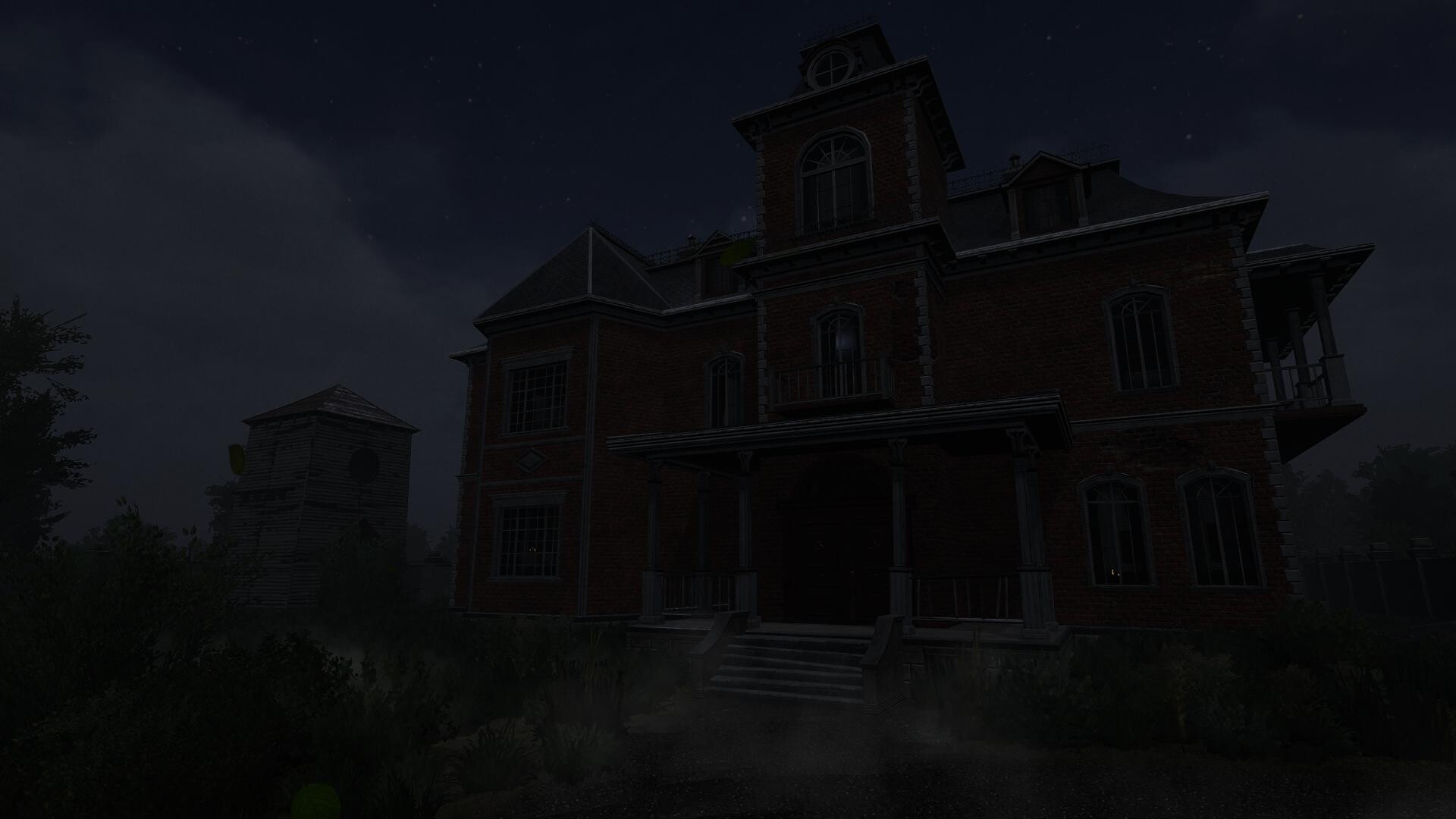
Officially: “Jin has spent years searching for his missing sister, pursuing leads that took him to a remote, decaying mansion where he recovered manifests and hints that indicate his sister may still be alive, somewhere at the end of the trail he is about to follow.” The plain Steam description expands on that: the mansion feels “less abandoned than erased” and the player brings systems back online, unlocks compartments and pieces together financial and identity clues. Expect an investigation framed around reconstruction of a carefully concealed operation.
When and where you can play
Trace of the Villa launched on Steam on 28 May, 2026 for PC. The Steam product page lists the developer and publisher as Steadyturtle Co., Ltd. and shows categories like single-player and accessibility options (color alternatives, custom volume controls, subtitle options and the like) that make the experience approachable for different players.
Why quiet tension and uncertainty matter
Psychological horror that prizes uncertainty forces you to engage cognitively: every unanswered question becomes a thrum of disquiet. When identities are missing and documents don’t line up, dread accumulates with each solved puzzle rather than peaking with a scripted scare. That approach changes how a story lands—players carry mental gaps outside the game, and the slow reveal of context can be far more unsettling than a startled moment that immediately fades.
How you progress and what you do in-game
According to the official description, progress is driven by investigation and systems restoration. Restoring power and secured systems brings hidden compartments and encrypted documents back into play; safes and manifests yield threads of a timeline. Mechanically, expect exploration, puzzle-solving and evidence-gathering that gradually clarifies movement patterns and falsified identities. The listed Steam categories also indicate accessibility-friendly design choices—no timed inputs required and subtitle support.
Player scenarios — would you wishlist this?
- Scenario A — You like atmospheric mysteries: You prefer games that reward slow attention to detail and patience with environmental storytelling. Trace of the Villa’s erased-identities premise and clue-driven progression will likely appeal.
- Scenario B — You want puzzles tied to narrative: If you value unlocking story through safes, manifests and systems rather than combat, this aligns with that preference.
- Scenario C — You prefer constant action or reflex-based horror: This is less suited to players seeking frequent adrenaline spikes; the emphasis here is on slow-burn suspense and investigation.
- Scenario D — Accessibility-conscious players: With subtitle options, custom volume controls and no timed inputs as listed categories, the build appears considerate of different play styles and needs.
How it sits next to a few similar Steam titles
Below is a focused editorial comparison that helps place Trace of the Villa among atmospheric mystery and psychological horror titles. The comparison uses genre, atmosphere, puzzle focus, exploration style, story tone and pacing as reference points.
| Title | Genre / Tone | Puzzle focus | Exploration style | Pacing | Player fit |
|---|---|---|---|---|---|
| Trace of the Villa | Action / Adventure / Indie — atmospheric mansion mystery | Clue-driven, document and systems puzzles | Methodical, evidence-led exploration of a decaying estate | Slow-burn, incremental revelations | Players who want investigation and environmental storytelling |
| Amnesia: The Dark Descent | Action / Adventure / Indie — immersive psychological horror | Puzzle and stealth elements with emphasis on survival atmosphere | Claustrophobic, narrative corridors and set-piece areas | Tense with moments of sustained dread | Players seeking immersion and persistent anxiety |
| SOMA | Action / Adventure / Indie — sci-fi existential horror | Puzzles tied to environment and story devices | Exploration across large, connected facilities | Measured, contemplative and unsettling | Players who like philosophical horror and world-building |
| Layers of Fear (2016) | Adventure / Indie — psychological, mansion-based horror | Environmental puzzles with changing architecture | Unstable, shifting spaces that twist perception | Surreal and escalating | Players attracted to narrative fragmentation and visual disorientation |
| Poppy Playtime | Action / Adventure / Indie — horror/puzzle adventure | Tool-based puzzles (e.g., GrabPack) and hazard navigation | Factory facility exploration with puzzles and threats | Faster moments mixed with tense puzzles | Players who like toy-factory horror and puzzle gadgets |
Discovery and further viewing
If you want to see trailers or gameplay clips, use this YouTube search path: Trace of the Villa trailer & gameplay (YouTube search). Note that this link is a discovery route; treat individual videos according to their verified source.
View Trace of the Villa on Steam
Legal & editorial note
Referenced titles and trademarks belong to their respective owners. Comparisons above are editorial discovery only and not endorsements. All game facts and official assets are taken from the Steam product data listed on the Trace of the Villa store page.
Leave a Reply