
Trace of the Villa — an escape-room style mystery built around power, locked doors, and reconstructing evidence
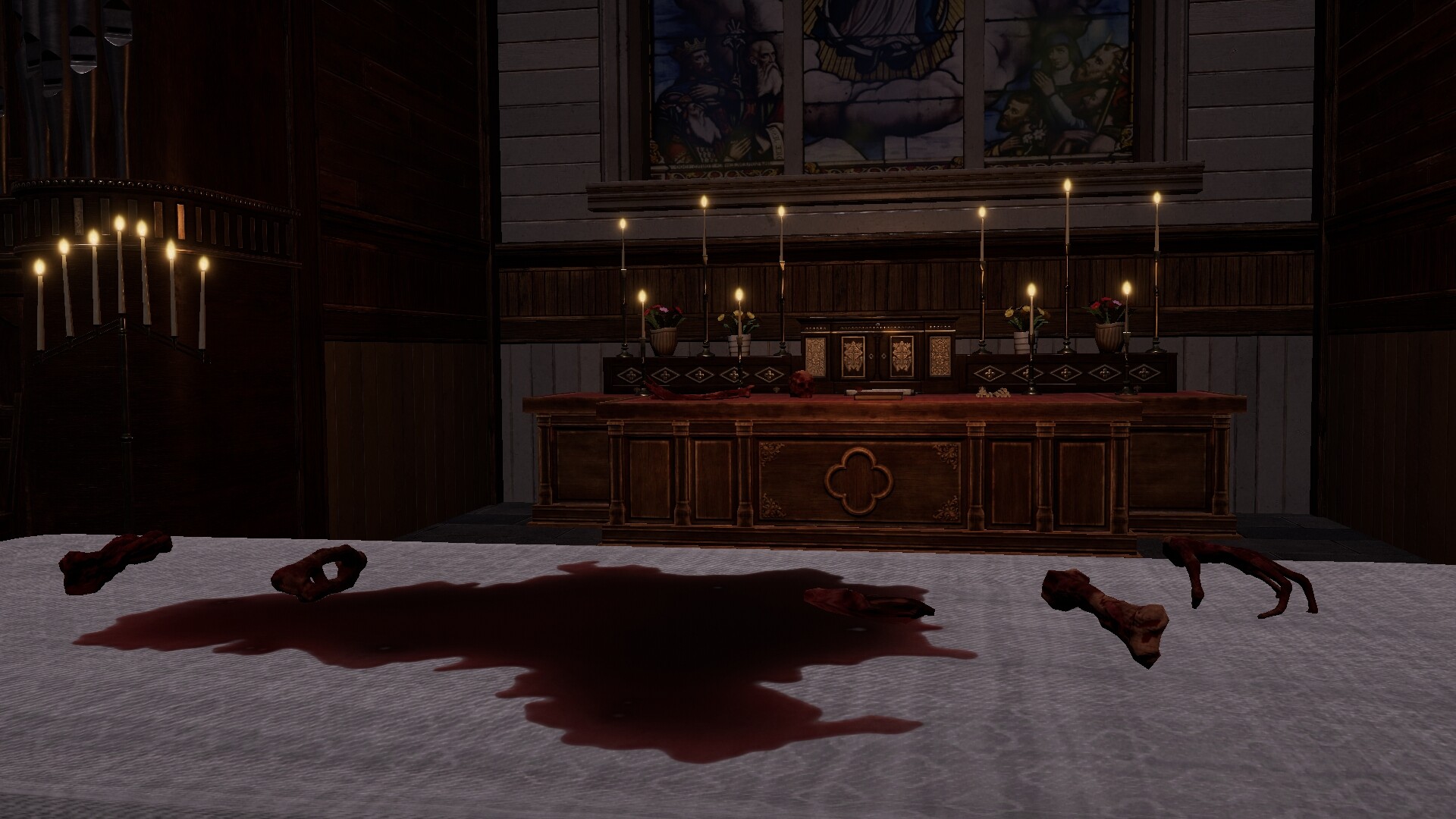
Trace of the Villa casts you as Jin, a man tracing clues through a decaying, off-grid mansion where restoring power is the key to unspooling secrets and unlocking rooms. The game pairs environmental storytelling with puzzle-driven investigation: turn systems back on, open secured compartments, then assemble financial manifests and encrypted fragments to build a timeline.

Who this is for
If you favor slow-burn suspense, mansion mysteries, and environmental storytelling that rewards careful note-taking, Trace of the Villa will likely fit your tastes. Players who enjoy chained clue logic — restoring one system to reveal a new puzzle, then using that output to access another sealed area — will find the loop appealing. It’s pitched at single-player PC players browsing Steam who prefer story-rich investigation over twitch or timed challenges (the Steam data lists it as Single-player and Playable without Timed Input).
What the game is
Trace of the Villa is an atmospheric mystery adventure from Steadyturtle Co., Ltd., released on 28 May, 2026. The official premise places Jin in a deliberately forgotten mansion where rooms look as if occupants vanished mid-routine and the house seems “less abandoned than erased.” Restoring power initiates the core gameplay loop: secured systems come back online, hidden compartments unlock, and safes yield fragments of encrypted documents and suspicious transfer records. Those recovered pieces drive the investigative progression rather than combat or action set pieces.
When and where
Trace of the Villa released on 28 May, 2026 and is available on Steam for PC. The Steam store page is the primary place for purchase, system notes, and visuals.
Why the theme matters
Thematic focus on an erasure of identity — rooms furnished but lacking photographs or names — turns environmental detail into narrative fuel. The game frames puzzles not as arbitrary riddles but as traces left by a controlled, larger operation: manifests, falsified identities, and transfer records that point to movements masked behind false paperwork. That approach anchors puzzles to story beats, making each unlocked system feel like progress in a psychological investigation rather than a disconnected mechanical exercise.
How you play: the power–unlock–reconstruct loop
The Steam description outlines a distinct loop you should expect:
- Restore power to parts of the estate — this is the catalyst. Secured systems come back online.
- Use newly available terminals, lights, or mechanisms to access sealed rooms and hidden compartments.
- Recover manifests, encrypted fragments and suspicious transfer records from safes and secure storage.
- Chain those clues together to reconstruct timelines and trace identities that were deliberately removed.
That loop privileges environmental reading: furniture placement, missing photographs, and what’s been deliberately hidden become the primary evidence. Puzzles serve the investigation — each solved lock or restored circuit moves Jin closer to understanding what the mansion was used for and where his sister’s trail might lead.

Compact facts
| Title | Trace of the Villa |
|---|---|
| Steam AppID | 3483660 |
| Release date | 28 May, 2026 |
| Developer | Steadyturtle Co., Ltd. |
| Publisher | Steadyturtle Co., Ltd. |
| Genres | Action, Adventure, Indie |
| Categories | Single-player, Color Alternatives, Custom Volume Controls, Playable without Timed Input, Subtitle Options, Family Sharing |
| Short premise | Jin searches a decaying, off-grid mansion for clues that his missing sister may still be alive. |
Who should wishlist it (player scenarios)
- The methodical investigator: You keep a notepad or digital doc, map clues as you find them, and enjoy assembling timelines from fragments — the game’s safes, manifests, and encrypted bits reward that approach.
- The environmental storyteller: You read rooms like texts. Furniture, missing photos, and subtle staging inform your theories about who lived here and why identities were erased.
- The escape-room solver: You like a clear mechanical chain: power → access → item → new puzzle. If that loop appeals more than combat or reflex tests, this fits well.
- The narrative-first player: You want the puzzles to deepen a sense of dread and motive. The gameplay ties directly to uncovering a controlled operation, not abstract meta-puzzles.
How Trace of the Villa compares (editorial comparison)
Below are tight editorial comparisons focusing on puzzle focus, atmosphere, exploration style, pacing, and the player likely to enjoy each.
| Game | Puzzle focus | Atmosphere | Exploration style | Pacing | Who might prefer |
|---|---|---|---|---|---|
| Trace of the Villa | Clue chains tied to restoring systems and reconstructing evidence | Mansion decay, erased identities, slow-burn suspense | Single-player, environmental reading, system reactivation | Measured, investigative | Players who want narrative-linked puzzles and timeline reconstruction |
| The Room | Mechanical safes and tactile puzzle boxes (official Steam summary) | Mysterious, intimate, artifact-driven | Focused room-by-room puzzle interaction | Slow and methodical | Players who like intricate puzzle boxes and tactile mystery |
| Escape Simulator | Highly interactive escape-room mechanics, object manipulation | Varied — can be light to tense depending on room | Room-based puzzles with physics and item interaction | Flexible — short-room bursts or longer sessions | Players who want direct item interaction and community-made rooms |
| The Room Two | Layered puzzle chambers continuing the box-based design | Cryptic, atmospheric, and slightly broader in scope than the first | Linear progression through multi-stage devices | Methodical, puzzle-first | Fans of refined, tactile puzzle progression |
These comparisons are editorial: they focus on how each title treats puzzles, atmosphere, and player expectations rather than claiming any formal connection.
Trailer and video discovery
For trailers and gameplay footage, search YouTube with this link — it is a discovery path rather than confirmation of an official channel: Trace of the Villa trailer & gameplay on YouTube.
View Trace of the Villa on Steam
Final take
Trace of the Villa shapes its puzzle design around
Leave a Reply