
Trace of the Villa — a slow-burn mansion mystery for meticulous investigators
Trace of the Villa is an atmospheric mystery adventure about Jin, a brother who follows a cold trail to a decaying, off‑grid mansion and finds manifests, encrypted fragments, and the suggestion that his missing sister might still be alive. Released on 28 May, 2026 by Steadyturtle Co., Ltd., the game leans on environmental storytelling and clue-driven exploration that reward careful reading and methodical play.

Who, what, when, where, why, how — plainly
Who is this for?
Players who take notes, double‑check their path, and enjoy piecing together backstory from scattered documents and powered‑up systems. If you identify as a lore reader, patient investigator, or environmental storyteller fan, Trace of the Villa is built around that type of curiosity.
What is the game?
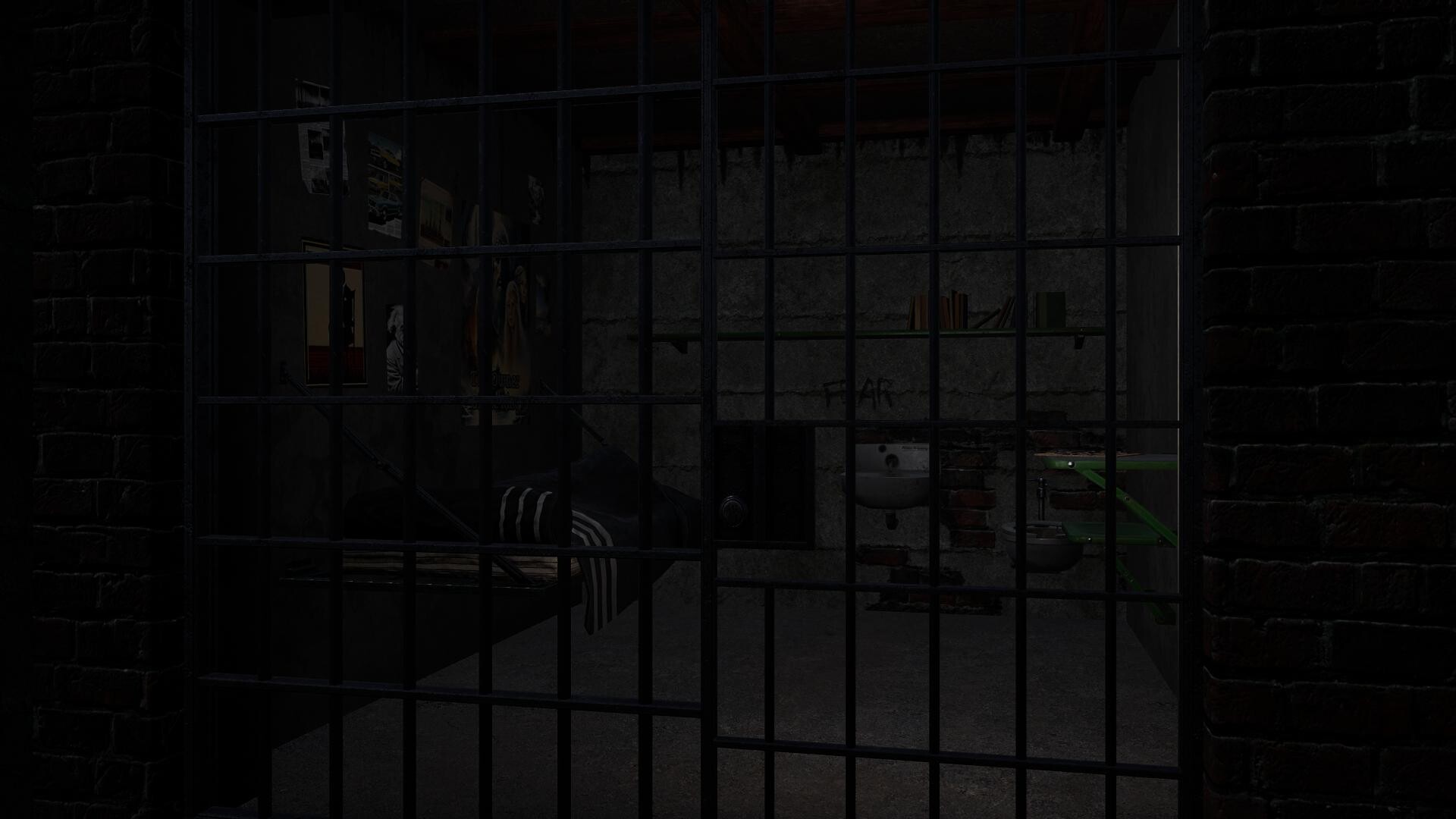
Trace of the Villa is an Action / Adventure / Indie title on Steam that casts you as Jin, exploring a deliberately forgotten mansion. The estate contains furnished rooms, locked doors, safes, encrypted documents, and falsified identities — all narrative clues that form a trail toward the game’s core mystery.
When and where is it available?
The game released on 28 May, 2026 and is published on Steam by Steadyturtle Co., Ltd. It appears as a single‑player PC experience with accessibility options such as color alternatives, custom volume controls, subtitle options, and the ability to play without timed input.
Why the theme matters
Trace of the Villa uses the architecture of absence — rooms preserved as if occupants vanished — to make investigation feel consequential. The theme centers on identity erased by systems: falsified transfer records, sealed compartments, and the sense of a controlled flow of people through the property. That makes the game appealing to players interested in narratives where paperwork, systems, and logistics are the primary breadcrumbs.
How you read clues and progress
Progress is earned by restoring power, reactivating estate systems, unlocking hidden compartments, and decrypting fragments recovered from safes and manifests. The core loop rewards scrutiny: find an anomaly, restore a system or solve a puzzle that reveals another piece of the timeline, then reframe previous discoveries with the new context. There’s no emphasis on reflex‑based timed inputs; the game supports methodical exploration and puzzle solving.

Compact facts
| Title | Trace of the Villa |
|---|---|
| Steam AppID | 3483660 |
| Release date | 28 May, 2026 |
| Developer | Steadyturtle Co., Ltd. |
| Publisher | Steadyturtle Co., Ltd. |
| Genres | Action, Adventure, Indie |
| Categories / Features | Single-player; Color Alternatives; Custom Volume Controls; Playable without Timed Input; Subtitle Options; Family Sharing |
| Store page | Trace of the Villa on Steam |
Who should wishlist this — three player scenarios
1) The meticulous dossier builder
You keep a running log of discovered names, ledger entries, and power cycles. You enjoy tracing financial trails and building timelines from fragments. Trace of the Villa’s encrypted documents and manifests reward that habit: restoring systems often yields the next tangible lead.
2) The environment-first lore reader
You interpret room placement, staged objects, and missing photographs as narrative text. This game places weight on the environment — so readers of setting will find slow revelations in domestic details and the deliberate absence of identity markers.
3) The puzzle-savvy investigator
You prefer narrative puzzle design that unlocks additional story rather than stand‑alone mechanical challenges. The play loop here ties puzzle resolution to new evidence: solving a lock or powering a system typically produces documents, logs, or access to a new area that reframes the mystery.
How it compares — editorial discovery
Below is a compact, objective comparison on lawful editorial criteria so you can decide which experience matches your appetite for investigation and pacing.
| Title | Core genres / feel | Puzzle focus | Exploration style | Story tone & pacing | Who might prefer it |
|---|---|---|---|---|---|
| Trace of the Villa | Action / Adventure / Indie — mansion mystery, investigative | Document-driven, system reactivation, safes & encrypted fragments | Restricted estate; methodical room-to-room investigation | Slow-burn, claustrophobic, procedural revelations | Meticulous lore readers, investigation fans, environmental storytellers |
| Inscryption | Adventure / Indie / Strategy — card-based, psychological | Puzzles embedded in card mechanics and meta-layer reveals | Layered reveal between a cabin and meta-narrative spaces | Dark, meta-horror with escalating twists | Players who like mechanical puzzles that tie to narrative surprises |
| Outer Wilds | Action / Adventure — open-world mystery, exploration | Puzzle through environmental systems and orbital mechanics | Open solar-system exploration, non-linear discovery | Curious, contemplative, time-loop driven pacing | Explorers who enjoy open-ended discovery and systemic investigation |
| Journey | Adventure / Indie — atmospheric exploration | Puzzles are environmental and movement-based | Expansive, open ruins with a sense of pilgrimage | Poetic, slow, minimal explicit narrative | Players after emotive, wordless exploration rather than document puzzles |
| The Forgotten City | Adventure / Indie / RPG — time-loop, moral mystery | Puzzles intersect with dialogue and time-loop mechanics | Ancient city with interlocking systems and consequences | Investigative, ethical, often philosophical pacing | Those who like rules-driven mysteries and consequence-based puzzles |
| The Medium | Adventure — psychological horror, dual-reality | Puzzles that exploit two parallel realms | Linear but layered spaces that reveal trauma and echoes | Psychological, tense, story-driven pacing | Players who want horror-tinged narrative with realm-based puzzle hooks |
YouTube discovery (search link)
If you want to watch trailers or gameplay clips before buying, search for Trace of the Villa trailers and gameplay on YouTube:
YouTube search: Trace of the Villa trailer & gameplay
(use this as a discovery path; this link is not a claim of a single verified official video).
Final take for investigation fans
If your preferred narrative mode is clue accumulation, system‑level reveals, and piecing a timeline together from paperwork and preserved domestic detail, Trace of the Villa is designed to reward that exact temperament. The mansion setting, the emphasis on reactivating systems to reveal new evidence, and support for non‑timed input make it a deliberate, investigative experience rather than a reflex-driven horror romp.
Leave a Reply