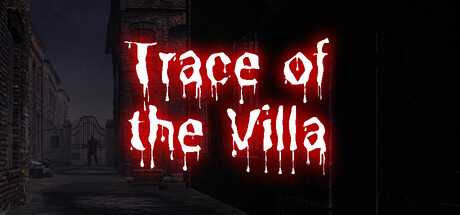
Trace of the Villa — why quiet tension and uncertainty beat loud jump scares
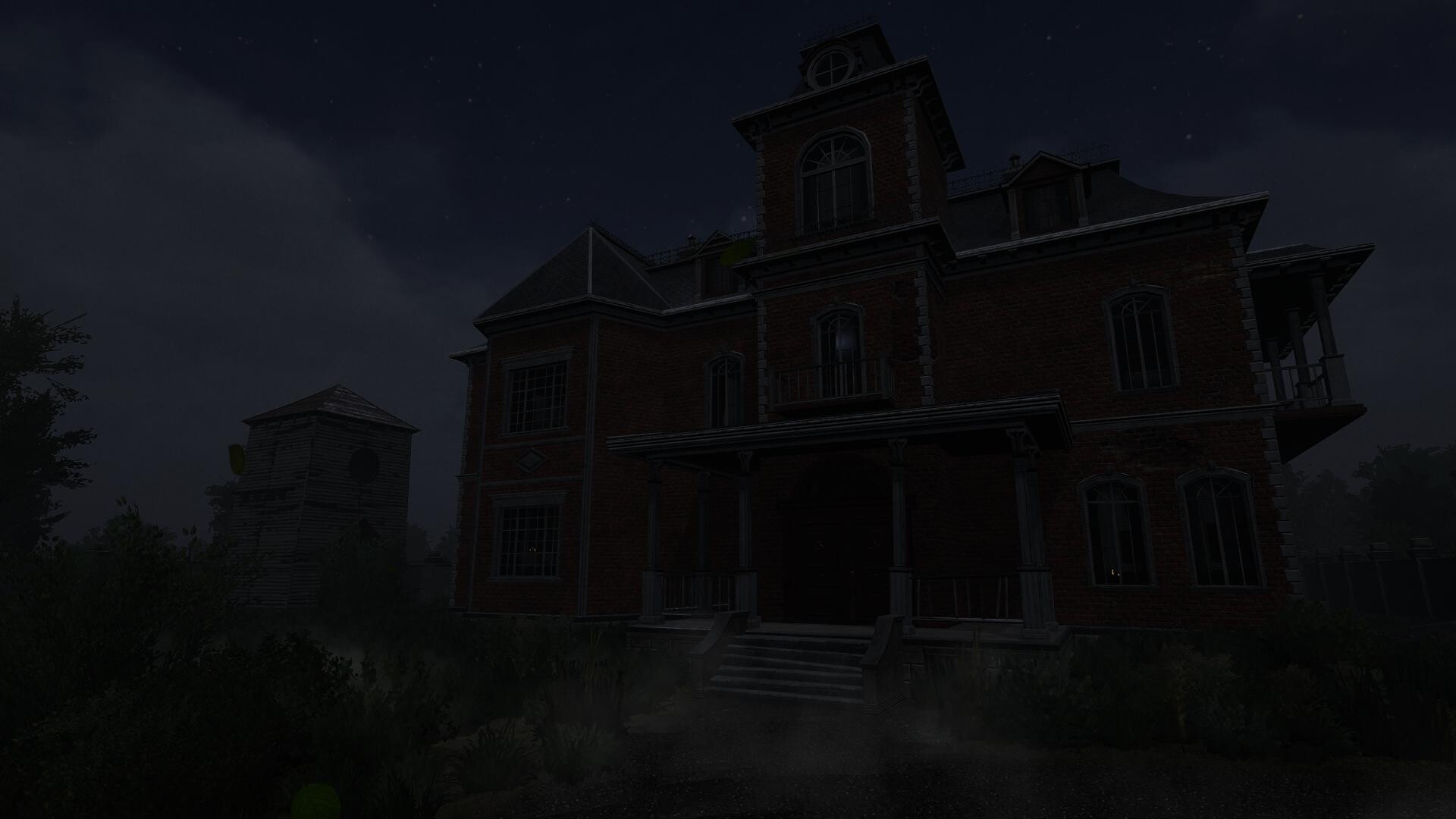
Trace of the Villa (Steadyturtle Co., Ltd.) trades instant shocks for a slow, suffocating unravel: a decaying mansion, missing people, and power slowly restoring systems that were meant to stay buried. On Steam since 28 May, 2026, it leans into environmental storytelling and clue-driven exploration to build suspense, the kind that keeps players listening for their own footsteps.

Quick facts
| Title | Trace of the Villa |
|---|---|
| Steam AppID | 3483660 |
| Release date | 28 May, 2026 |
| Developer / Publisher | Steadyturtle Co., Ltd. |
| Genres | Action, Adventure, Indie |
| Categories | Single-player; Color Alternatives; Custom Volume Controls; Playable without Timed Input; Subtitle Options; Family Sharing |
| Short premise | Jin searches a remote, decaying mansion for clues about his missing sister; restoring power and unlocking systems reveals encrypted documents and layers of concealment. |
Who, what, when, where, why, and how
Who is this for?
Players who prefer slow-burn suspense over loud, reactive horror — people who prize atmosphere, methodical investigation, and narrative puzzle design. If you enjoy environmental storytelling where reading manifests, restoring systems, and piecing together timelines matters more than sprinting from scripted frights, this fits your tastes.
What is the game?
Trace of the Villa is an atmospheric mystery adventure about Jin, who follows a lead to a deliberately forgotten mansion and finds signs of past occupancy without names or photographs. The estate’s restored power and unlocked systems reveal fragments—encrypted documents, safes, and falsified records—that drive a puzzle-led investigation rather than adrenaline-only sequences.
When and where is it available?
Trace of the Villa released on Steam on 28 May, 2026. The Steam page includes official imagery and the store listing for PC discovery and wishlist actions.
Why does quiet tension matter here?
Psychological horror built on uncertainty relies on implication. When a house looks lived-in but identity is erased and documents are incomplete, the player supplies the missing dread. The game’s approach — slow restoration of systems, finding encrypted fragments, and uncovering masked movements — makes suspense cumulative: each small reveal reframes what came before.
How do you progress?
Progression is clue-driven. According to the official description, restoring power brings systems back online, hidden compartments and safes open, and encrypted records surface. Puzzle solutions unlock further narrative fragments and new areas; the investigation is paced so that discovery and interpretation are the primary engines of tension.

Who should wishlist it (player scenarios)
- Silent-suspense seekers: You like tension that accumulates through atmosphere and context, not jump-scare playlists.
- Puzzle-first players: You enjoy unlocking safes, decrypting fragments, and using documents to reconstruct timelines.
- Explorers of mood and detail: You prefer games where a room’s objects and systems tell story beats rather than explicit narration.
- Slow-pace narrative fans: You want a methodical, investigation-led experience rather than constant action loops.
How Trace of the Villa compares — editorial side-by-side
| Title | Atmosphere & Tone | Exploration / Pacing | Puzzle / Mechanics | Player fit |
|---|---|---|---|---|
| Trace of the Villa | Decaying mansion, slow-burn uncertainty; identity and erased history. | Clue-driven exploration; restoring systems gradually opens new areas. | Document fragments, safes, hidden compartments, encrypted records (official description). | Players who like investigative, atmospheric narrative adventures. |
| Amnesia: The Dark Descent | Claustrophobic dread and vulnerability; immersion-focused psychological horror. | Exploration-heavy with tense pacing; survival elements amplify tension. | Environmental puzzles, hide-and-seek mechanics; emphasis on immersion. | Players wanting intense immersion and vulnerability in a horror setting. |
| SOMA | Sci-fi existential dread beneath the sea; philosophical and unsettling tone. | Paced exploration with narrative beats; slower in service of story questions. | Puzzle-solving integrated with narrative context; minimal combat focus. | Those who prefer psychological questions and story-driven exploration. |
| Layers of Fear (2016) | Surreal, psychologically fractured mansion; hallucinatory atmosphere. | Room-to-room exploration with changing geometry; chapter-based pacing. | Environmental and narrative puzzles tied to the protagonist’s unraveling. | Players who enjoy a painterly, art-driven descent into madness. |
| Poppy Playtime | Playful-yet-creepy factory setting; high-concept toy-horror tone. | More action-adjacent and scripted moments; faster pacing than slow-burn titles. | Puzzle-adventure mechanics (GrabPack, circuit puzzles) with tension peaks. | Players who want a mix of puzzles and set-piece scares with faster tempo. |
Editorial note: the comparison above uses public store descriptions and genre/contextual information to help readers decide which pacing and tone they prefer. It is an editorial comparison, not an endorsement.
Where to learn more (YouTube discovery)
If you want trailer or gameplay clips, search community-hosted videos here: Trace of the Villa trailer & gameplay on YouTube. (Use this as a discovery path; a specific official video should be verified on the Steam page before calling it official.)
Leave a Reply