Trace of the Villa: rooms as puzzle spaces and story containers
Trace of the Villa is a slow-burn, clue-driven mystery that stages its investigation inside a decaying, deliberately erased mansion. Launched on 28 May, 2026 by Steadyturtle Co., Ltd., it centres on Jin’s search for his missing sister and the way rooms store and reveal secrets through objects, locked systems, and fragmentary documents.

Quick facts
| Title | Trace of the Villa |
|---|---|
| Developer / Publisher | Steadyturtle Co., Ltd. |
| Release date | 28 May, 2026 |
| Steam appid | 3483660 |
| Genres | Action, Adventure, Indie |
| Categories / accessibility | Single-player; Color Alternatives; Custom Volume Controls; Playable without Timed Input; Subtitle Options; Family Sharing |
| Premise (short) | Jin searches a remote, decaying mansion for clues that his missing sister may still be alive. |
Who should consider wishlist-ing Trace of the Villa?
- Players who favour atmospheric mystery adventure and slow-burn suspense over fast action.
- Fans of environmental storytelling who enjoy reading rooms as narrative artifacts — where furniture, safes, and powered-on systems supply the plot beats.
- Puzzle players who prefer object logic and document-based reconstruction (encrypted fragments, manifests, financial trails) rather than reaction-based tests or reflex challenges.
- Anyone who values accessibility options like subtitles and the ability to play without timed input.
What the game is — rooms as containers of story and puzzles
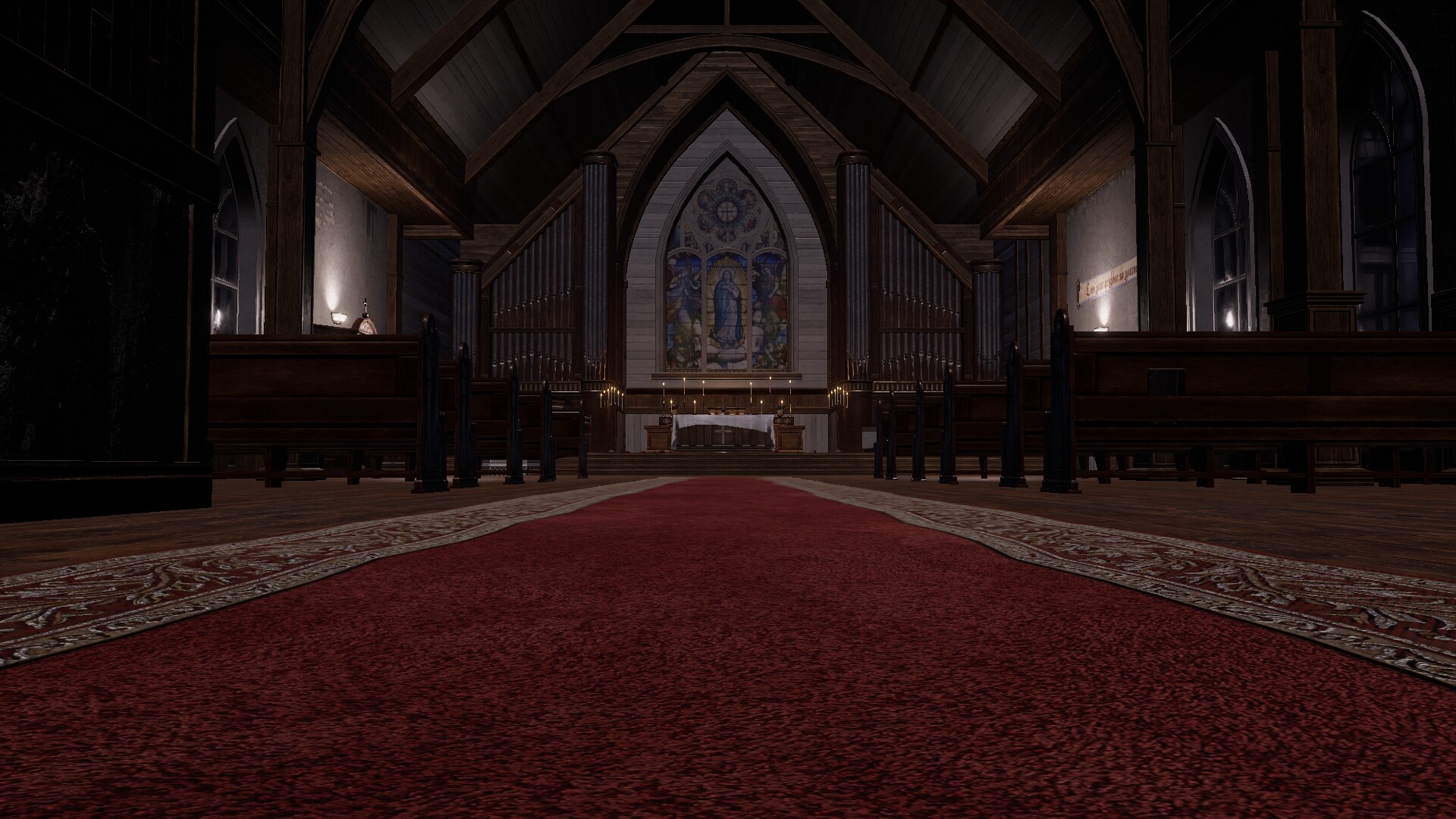
Trace of the Villa stages its drama in a single, vast property: a mansion cut off from the grid and “deliberately forgotten.” According to the official description, rooms feel “less abandoned than erased,” with furnishings paused mid-routine and personal effects present but stripped of names or obvious history. That absence is a design opportunity: rooms become containers that both hide and codify the narrative. A locked desk, a powered-down security system, a safe with fragments of encrypted records — each object is a miniature puzzle and a piece of the case Jin must assemble.
When and where
Trace of the Villa is available on Steam; the release date is 28 May, 2026. The Steam page lists the game’s genres as Action, Adventure, Indie and shows categories that highlight accessibility and single-player focus.
Why the mansion setting matters
The mansion framework is a classic but effective container for clue reading because rooms provide concentrated contexts. In Trace of the Villa, the house’s layers of concealment—hidden compartments, falsified identities, and financial trails—make each room a discrete episode in a larger psychological investigation. That structure supports a particular kind of pacing: discovery is incremental, and the emotional stakes rise as documents and systems cohere into a pattern suggesting controlled movements of people and money.
How you read clues and progress
Progress is driven by close examination and literal restoration. The official text describes restoring power, bringing secured systems back online, unlocking hidden compartments, and extracting fragments of encrypted documents and suspicious transfer records. That sequence indicates a puzzle loop rooted in object logic: find an item, use it to restore or open a device, read the resulting artifact, and use those details to unlock the next space. The game privileges patient synthesis over twitch mechanics — you decode a timeline from objects rather than brute-forcing an answer.
Comparison: where Trace of the Villa sits among puzzle-adventure titles
| Game | Genre / Tone | Puzzle focus | Exploration style | Pacing / Player fit |
|---|---|---|---|---|
| Trace of the Villa | Action / Adventure / Indie — mansion mystery; psychological investigation | Object logic, document fragments, locked systems, hidden compartments | Room-by-room, investigative; rooms double as story containers | Slow-build suspense; best for players who prefer clue synthesis and atmospheric investigation |
| The Room (series) | Adventure / Indie — intimate, tactile puzzle boxes | Mechanical puzzles focused on intricately designed contraptions | Single-room / object-focused; each scene is a standalone puzzle environment | Highly tactile and self-contained; great for players who like handcrafted mechanical puzzles |
| Escape Simulator | Adventure / Casual / Indie — interactive escape rooms | Environmental puzzles, object manipulation, high interactivity | Multiple themed rooms with high interactivity and community levels | Best for players who want hands-on manipulation and varied room designs; supports co-op |
| Unpacking | Casual / Indie — zen, domestic narrative | Placement and context as storytelling; low-pressure, non-traditional puzzles | Domestic interiors used to narrate life through objects | For players who enjoy quiet, introspective assembly of story from belongings rather than mystery investigation |
Player scenarios — concrete use cases
- If you enjoy reconstructing a life from documents and objects: expect to spend time piecing together manifests and encrypted fragments that map onto the mansion’s social and financial networks.
- If you value atmospheric tension: rooms that feel “erased” rather than simply abandoned will reward careful observation and patience.
- If you prefer mechanical, isolated puzzle boxes: you’ll find some overlap in object logic, but Trace of the Villa emphasizes narrative payoff from piecing multiple objects together across rooms.
- If accessibility and a relaxed pace matter: the Steam page lists subtitle options and “playable without timed input,” making it easier to focus on reading clues rather than racing the clock.
Where to look for trailers and gameplay
For trailers and player-uploaded gameplay, search YouTube: Trace of the Villa trailer / gameplay on YouTube. This is a search path for discovery rather than a claim about a specific official video.
View Trace of the Villa on Steam
Disclaimer: referenced titles and trademarks belong to their respective owners. Comparisons in this article are editorial discovery only, drawn from genre, atmosphere, puzzle focus, and exploration style rather than claims of endorsement.
Leave a Reply