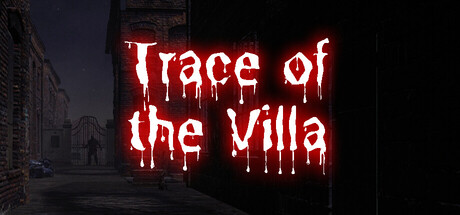
Trace of the Villa: why slow-burning uncertainty and erased identities matter more than jump scares
Trace of the Villa invites you into a decaying mansion where a brother named Jin follows faint manifests and financial traces that suggest his missing sister might still be alive. Released on 28 May, 2026 by Steadyturtle Co., Ltd., the game favors atmosphere, environmental storytelling, and clipped revelations over frontal shocks.

Quick facts
| Title | Trace of the Villa |
|---|---|
| Steam AppID | 3483660 |
| Release date | 28 May, 2026 |
| Developer / Publisher | Steadyturtle Co., Ltd. |
| Genres | Action · Adventure · Indie |
| Key Steam categories | Single-player; Color Alternatives; Custom Volume Controls; Playable without Timed Input; Subtitle Options; Family Sharing |
| Steam reviews (public) | No user reviews |
Who this is for
Trace of the Villa is aimed at players who prefer psychological investigation and atmospheric mystery adventure to fast-paced horror. If you value environmental storytelling, slow-burn suspense, and puzzle-driven exploration where clues unspool a larger operation rather than delivering cheap shocks, this title is designed for you. The inclusion of subtitle options, color alternatives, and the ability to play without timed input also makes it a reasonable fit for accessibility-conscious PC players.
What the game is
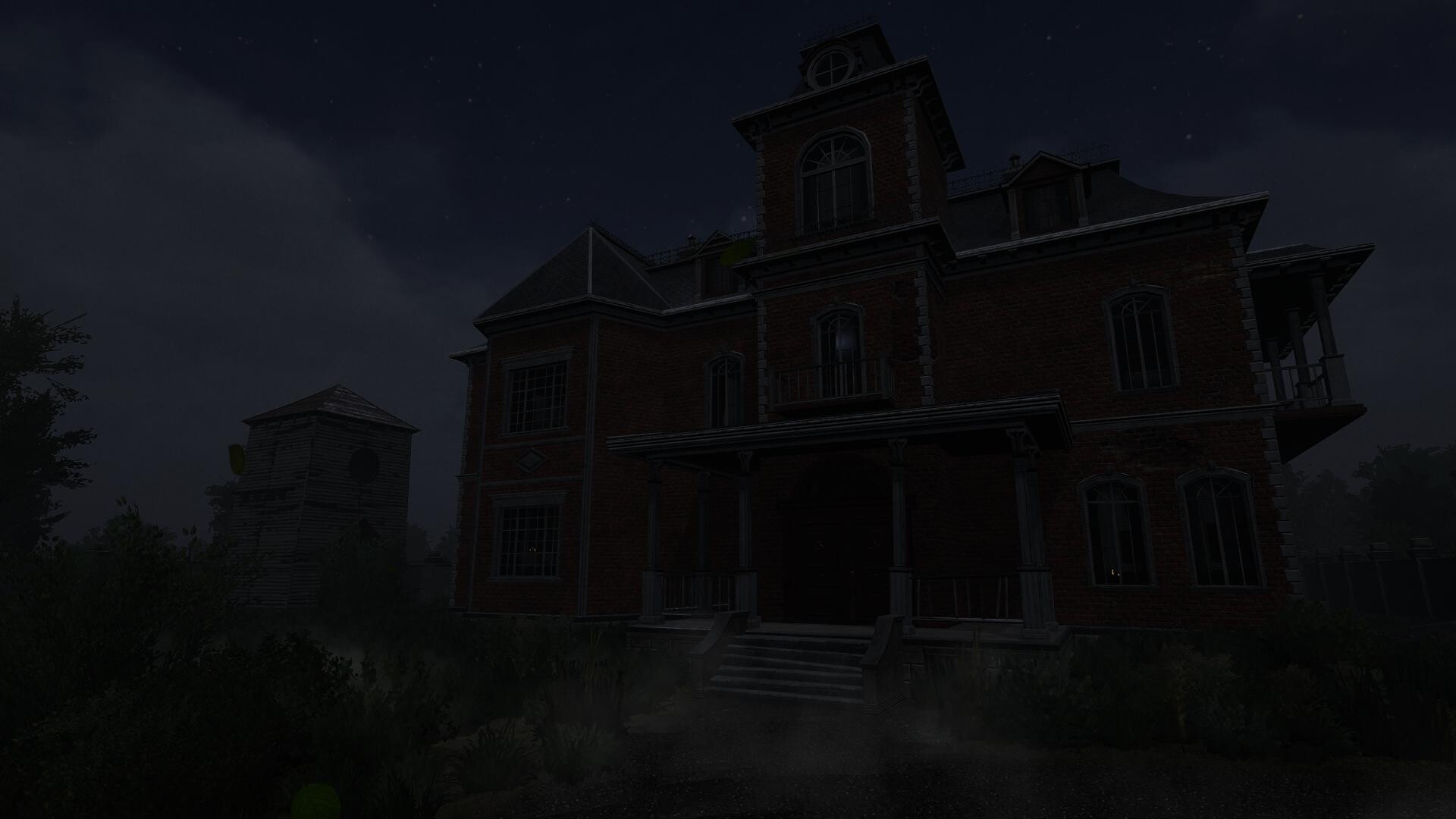
The official premise centers on Jin, who has spent years searching for his missing sister and follows a lead to a remote, deliberately forgotten mansion. Inside, the estate feels “less abandoned than erased” — rooms preserved mid-routine, belongings present but personal traces (photographs, names, histories) absent. Restoring power and unlocking secured systems reveals fragments: encrypted documents, transfer records, falsified identities, and a pattern of arrivals and departures masked by careful control. Those elements frame a story-rich adventure built around clue-driven exploration and narrative puzzle design.
When and where
Trace of the Villa is available on Steam as of 28 May, 2026. The Steam store page lists the game under Action / Adventure / Indie and shows single-player and accessibility options typical of story-focused PC mystery releases.
Why quiet tension and identity erasure matter more than shock claims
Psychological horror that leans on uncertainty — rooms that look occupied yet hold no faces, ownership files that stop mid-line, financial trails that deliberately dead-end — creates a different kind of dread than jump scares. The sensation here is investigative: every small revelation reframes what you thought you knew, and the absence of names or photos makes the mansion feel like a bureaucratic vacuum that swallows identity. That erasure turns routine exploration into a moral puzzle: who was reduced to a ledger entry, and why does the house resist being remembered? For many players the sustained discomfort of not-knowing and the slow accrual of evidence is more resonant and longer-lasting than a startled scream.
How you play and progress
The game’s progression is clue-driven. Restoring power and bringing systems back online is presented as a turning point: secured compartments unlock, safes yield fragments, and encrypted material pieces together a timeline. Players should expect environmental puzzles, investigation of physical spaces, and the piecing together of documents and manifests rather than combat-focused setpieces. The Steam listing highlights accessibility features such as custom volume controls and subtitle options, and it notes the game is playable without timed input — a design signal that exploration and thoughtful pacing are central to progression.

Player scenarios — who should wishlist it
- Investigative players who enjoy following documents, manifests, and encrypted fragments to reconstruct events.
- Fans of slow-burn suspense who prefer atmosphere and the dread of omission to frequent jump scares.
- Players who like mansion mysteries with environmental storytelling and puzzle elements rather than combat-heavy horror.
- Accessibility-minded players who need subtitles, non-timed interactions, or color alternatives.
How it compares to similar tone-driven horror/mystery games
| Title | Release | Atmosphere & pacing | Puzzle / exploration focus | Player fit |
|---|---|---|---|---|
| Amnesia: The Dark Descent | 8 Sep, 2010 | Claustrophobic, immersive, slow-burn but with survival tension | Environmental puzzles and hiding; strong emphasis on immersion and fear of discovery | Players who want oppressive atmosphere and visceral dread |
| SOMA | 21 Sep, 2015 | Philosophical, melancholic, gradual reveal of unsettling truths | Exploration-driven with narrative puzzles; story questions identity and consciousness | Players who like sci-fi existential horror and thought-provoking pacing |
| Layers of Fear (2016) | 15 Feb, 2016 | Surreal, shifting spaces, psychological slow burn centered on obsession | Environmental storytelling, changing level geometry, puzzle-light exploration | Players who prefer psychological, art-house horror that warps its own spaces |
| Poppy Playtime | 12 Oct, 2021 | Factory-nihilism with sharper, more frequent tension moments | Puzzle-adventure with toy-themed mechanics and higher-action encounters | Players who want more mechanical puzzles and periodic action setpieces |
Compared to those titles, Trace of the Villa sits closer to the investigative, identity-focused end of the spectrum: it emphasizes documents, manifests, and the erasure of personal history rather than overt combat or shifting level gimmicks.
YouTube discovery
To find trailers or gameplay, use this YouTube search path: Trace of the Villa trailer & gameplay (search). This is a search-based discovery link; Steam assets are the primary verified source for visuals and facts.
Final take
If you prize psychological investigation, atmospheric mystery adventure, and the slow accrual of unnerving evidence — especially where identity and records have been deliberately scrubbed — Trace of the Villa is worth adding to a wishlist. It’s not marketed as a high-octane horror title; instead, it trades shocks for the unsettling feeling that the house itself resists being remembered.
Disclaimer: referenced titles and trademarks belong to their respective owners. Comparisons above are editorial discovery only, based on genre, tone, pacing, and puzzle focus.
Leave a Reply