Trace of the Villa — why hush and design matter more than jump scares
Trace of the Villa places you in Jin’s shoes: a methodical search through a decaying, off-grid mansion where recovered manifests and hushed clues hint that his missing sister might still be alive. Released on 28 May, 2026 by Steadyturtle Co., Ltd., the game favors slow-burn investigation, environmental dread, and rooms that feel erased rather than merely abandoned.

Quick facts
| Title | Trace of the Villa |
|---|---|
| Release date | 28 May, 2026 |
| Developer / Publisher | Steadyturtle Co., Ltd. |
| Genres | Action, Adventure, Indie |
| Key Steam categories | Single-player; Color Alternatives; Custom Volume Controls; Playable without Timed Input; Subtitle Options; Family Sharing |
| Steam page | View Trace of the Villa on Steam |
Who should wishlist this
If you prefer psychological investigation over twitch reflexes, Trace of the Villa is aimed at players who prize environmental storytelling and clue-driven exploration. Put this on your wishlist if you like: slow-burn suspense, puzzles that unlock narrative fragments, and mansion mysteries where carefully arranged rooms do most of the work in unsettling you.
What the game actually is
Officially described on Steam, Trace of the Villa follows Jin, who has spent years searching for his missing sister. A lead takes him to a remote, deliberately forgotten mansion where rooms appear to have been left mid-routine. When Jin restores power, secured systems and hidden compartments begin to reveal financial trails, falsified identities, and a pattern of arrivals and departures masked by deliberate erasure. The core loop is exploration and puzzle-solving that peels back layers of an organized operation; the tension comes from what the environment withholds as much as what it shows.
When and where you can play
Trace of the Villa is available on Steam for PC (release date: 28 May, 2026). The Steam page lists the game as Action / Adventure / Indie with single-player and accessibility options such as subtitles, custom volume controls, and color alternatives.
Why quiet tension matters more than shock claims
Fast jump scares are memorable for a moment, but environmental dread lingers. Trace of the Villa asks you to read a room — the precise placement of a chair, a locked safe, the absence of personal photos — and those absences form an argument about what happened here. That kind of fear scales with curiosity: every revealed manifest or restored terminal raises questions that the design refuses to answer outright. In practice, silence and omission become the principal antagonists, and the game’s pacing turns discovery into unease rather than instant alarm.
How progression and clues work
Progression in Trace of the Villa is primarily environmental and puzzle-based. Jin recovers manifests and encrypted fragments, restores power to systems, and unlocks hidden compartments and safes. Each solved puzzle yields concrete artifacts — documents, transfer records, or access to a new locked area — that point to the next lead. The Steam description emphasizes that systems “come back online” and “safes yield fragments of encrypted documents,” so expect investigation mechanics that reward patience and careful reading of the estate’s architecture.
Room design and silence as storytelling
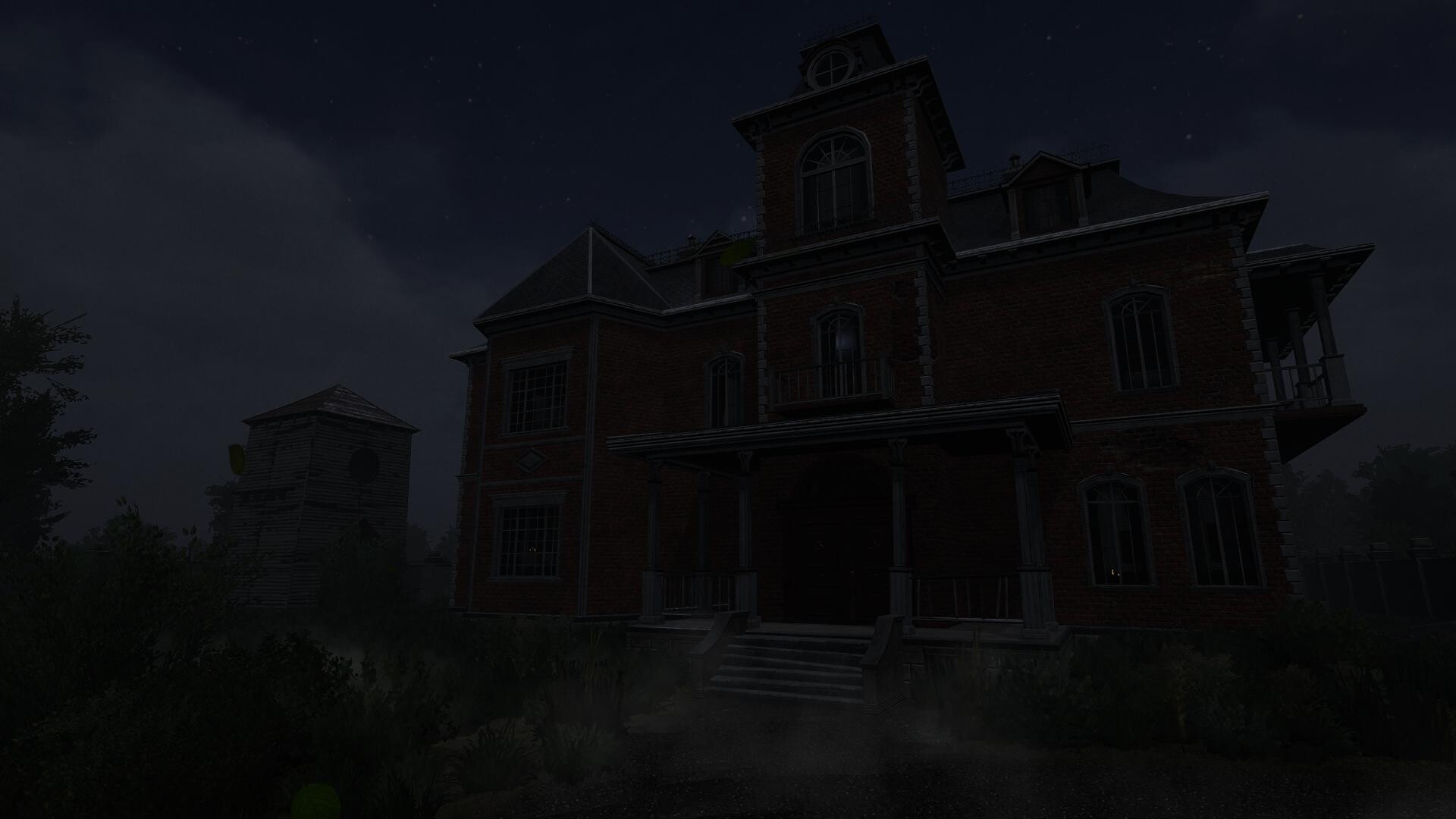
Design choices that foreground everyday domestic details — set dressing that implies interrupted routines — make the mansion feel less like a haunted house and more like a crime scene. Silence amplifies the sensation that the player is intruding on an intentional erasure. Where many horror games replace context with cheap shocks, Trace of the Villa uses curated stillness to make the player’s imagination supply the dread.
Player scenarios — who will enjoy Trace of the Villa
- The methodical detective: You enjoy combing through notes, journals, and terminals. The game’s manifest-based leads and encrypted fragments reward careful note-taking and pattern recognition.
- The atmospheric explorer: You want slow-burn mood and architectural storytelling. If room layout, lighting, and object placement are the main drivers of tension for you, this fits.
- The narrative puzzle fan: You prefer puzzles that unlock story beats rather than standalone mechanical challenges. Expect discoveries to be primarily narrative currency.
- The jump-scare avoider: You dislike frequent scripted shocks and would rather have unease built through implication. The Steam categories and description suggest accessibility options and pacing that suit this preference.
How it compares to nearby psychological horror and tension games
Below is a compact editorial comparison focusing on atmosphere, puzzle focus, exploration style, story tone, and pacing. These are editorial observations based on public descriptions and the games’ design reputations.
| Game | Release | Genre / Focus | Atmosphere & Pacing | Puzzle / Exploration Style |
|---|---|---|---|---|
| Trace of the Villa | 28 May, 2026 | Action / Adventure / Indie — mystery‑driven exploration | Slow-burn mansion dread; silence and erased identities | Clue-driven, manifest and system restoration; narrative fragments unlock progression |
| Amnesia: The Dark Descent | 8 Sep, 2010 | Action / Adventure / Indie — survival horror | Relentless existential dread with emergent horror moments | Environmental puzzles with sanity mechanics; tension built through vulnerability |
| SOMA | 21 Sep, 2015 | Action / Adventure / Indie — sci‑fi psychological horror | Philosophical, oppressive atmosphere; pacing that emphasizes narrative beats | Exploration with story-first puzzles and narrative reveals in audio/text logs |
| Layers of Fear (2016) | 15 Feb, 2016 | Adventure / Indie — psychological horror | Surreal, shifting environments; emphasis on atmosphere over combat | Architectural puzzles and changing level design that reflects mental state |
| Poppy Playtime | 12 Oct, 2021 | Action / Adventure / Indie — puzzle horror | Faster-paced encounters with toy-factory set pieces and scripted threats | Gadget-based puzzles (GrabPack); more set-piece driven than slow forensic investigation |
Specific read: why you might choose Trace of the Villa over others
Choose Trace of the Villa if you want an investigation bent toward environmental storytelling and document-led reveals rather than frequent scripted encounters. If you prefer your horror assembled from absences and paperwork — manifests, locked safes, falsified identities — this one biases toward discovery and interpretation rather than combat or timed survival.
Official assets and additional visuals
YouTube discovery
Want to see trailers or gameplay clips? Use this YouTube search path to find player videos and trailers: <
YouTube discovery
For trailer and gameplay discovery, use YouTube search rather than relying on unverified embeds: Find Trace of the Villa trailer and gameplay searches on YouTube.
Leave a Reply