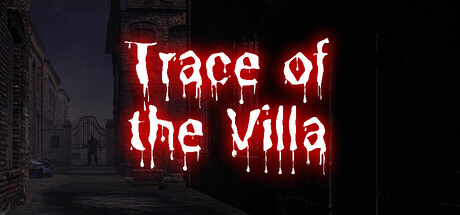
Trace of the Villa: rooms as puzzle spaces and story containers
Trace of the Villa places you in a remote, decaying mansion where every furnished room reads like a case file — objects, locked systems, and missing records combine to turn environment into evidence. Released on 28 May, 2026 by Steadyturtle Co., Ltd., the game uses electricity, hidden compartments and encrypted fragments to let players reconstruct what the house erased and why Jin’s search for his sister became a personal investigation.

What Trace of the Villa is — the basics
Who: You play as Jin, a man who has spent years searching for his missing sister; the premise on Steam frames the investigation as deeply personal. What: a single-player action/adventure indie released for PC on Steam that combines environmental storytelling and puzzles. When & Where: released 28 May, 2026; available on Steam as an indie PC title. Who made it: developed and published by Steadyturtle Co., Ltd.
| Title | Trace of the Villa |
|---|---|
| Release date | 28 May, 2026 |
| Developer / Publisher | Steadyturtle Co., Ltd. |
| Genres | Action, Adventure, Indie |
| Categories | Single-player; Color Alternatives; Custom Volume Controls; Playable without Timed Input; Subtitle Options; Family Sharing |
| Steam page | Trace of the Villa on Steam |
How the mansion’s rooms structure gameplay
The Steam description makes the design intent clear: rooms are more than backdrop — they’re repositories for clues and mechanisms. Jin restores power to the estate; when systems come back online, secured systems and hidden compartments reveal fragments of encrypted documents, suspicious transfer records, and other layers of a concealed operation. Each room’s furnishings, safes and locked doors behave like logic puzzles that also forward the plot.
That means the player’s primary activity is threefold: reading the scene (noting what’s present and what’s missing), working out object logic (how items and mechanisms interact), and solving story puzzles (piecing together financial trails and falsified identities the mansion hints at). The interplay between tangible puzzle mechanics and narrative fragments gives rooms two roles — spatial puzzles you must manipulate, and narrative containers that hold withheld information until you satisfy mechanical requirements.


Why the theme matters — tone and player expectations
Trace of the Villa frames itself as a slow-burn mansion mystery and psychological investigation. The Steam synopsis emphasizes absence — no photographs, no names, “identities themselves were removed” — which signals a focus on interrogation of space rather than combat spectacle. While the game is listed under Action and Adventure, the promotional text centers on investigation, encrypted records, and the methodical uncovering of a larger operation; expect atmospheric mystery and narrative puzzle design rather than arcade pacing.
Who should wishlist this
- Players who prefer story-rich adventures driven by environmental storytelling and clue-driven exploration.
- Fans of slow-burn mansion mysteries who appreciate rooms that act as both puzzles and narrative set-pieces.
- Those who want single-player experiences with accessibility options listed on Steam (color alternatives, custom volume controls, subtitle options, playable without timed input).
- Players who enjoy object logic puzzles where restoring systems and unlocking safes reveals narrative payoff.
Specific player scenarios
Evening unwind: you want a methodical mystery to work through across a few sessions — the mansion’s layered rooms and save-friendly, single-player structure fit that rhythm.
Examiner’s run: you prefer to read every object; the game rewards careful scene-reading and connecting small clues to larger financial and identity-based puzzles.
Accessibility-minded player: the Steam categories list color alternatives, subtitles and other options that make the puzzle experience more approachable.
How clue reading, object logic and story puzzles shape progression
In Trace of the Villa the act of progression is often procedural: restore power, access systems, open hidden compartments, and decrypt fragments. Clues appear in the environment (furnishings left mid-routine, missing personal records), mechanical puzzles respond to object logic (keys, safes, secured systems), and solving them produces story artifacts (encrypted documents and suspicious transfer records) that change your interpretation of earlier evidence. That feedback loop keeps rooms meaningful — every solved mechanic both opens new physical space and advances the narrative timeline.
How it compares — a short editorial comparison
| Title | Release | Puzzle focus | Atmosphere / story tone | Exploration style |
|---|---|---|---|---|
| Trace of the Villa | 28 May, 2026 | Object logic, restored systems, safes and encrypted documents | Mansion mystery, investigative, slow-burn | Room-by-room investigation; environmental storytelling |
| The Room | 28 Jul, 2014 | Tactile puzzle boxes and safes |
YouTube discoveryFor trailer and gameplay discovery, use YouTube search rather than relying on unverified embeds: Find Trace of the Villa trailer and gameplay searches on YouTube. CommentsMore posts |
Leave a Reply