
Trace of the Villa — a locked-mansion mystery built on power, systems, safes and documents
Trace of the Villa puts you in Jin’s shoes: a lone search that leads to a remote, decaying mansion where restoring power literally switches the house from silent to revealing. The game promises clue-driven exploration that ties environmental reading to a chain of puzzles built around secured systems, safes and fragmentary documents.

Quick facts
| Title | Trace of the Villa |
|---|---|
| Steam appid | 3483660 |
| Developer / Publisher | Steadyturtle Co., Ltd. |
| Release date | 28 May, 2026 |
| Genres | Action · Adventure · Indie |
| Categories / Accessibility | Single-player; Color Alternatives; Custom Volume Controls; Playable without Timed Input; Subtitle Options; Family Sharing |
| Official short premise | Jin searches for his missing sister and follows a lead to a remote, decaying mansion where manifests and hints suggest she may still be alive. |
Who this is for
If you prefer slow-burn suspense and environmental storytelling over fast-paced combat, Trace of the Villa is pitched toward players who enjoy atmospheric mystery adventure and narrative puzzle design. The Steam categories list single-player and accessibility options (color alternatives, subtitles, no timed input), so expect a contemplative, exploration-first experience aimed at people who like reading rooms for clues rather than reflex tests.
What the game is (official premise and mechanics)
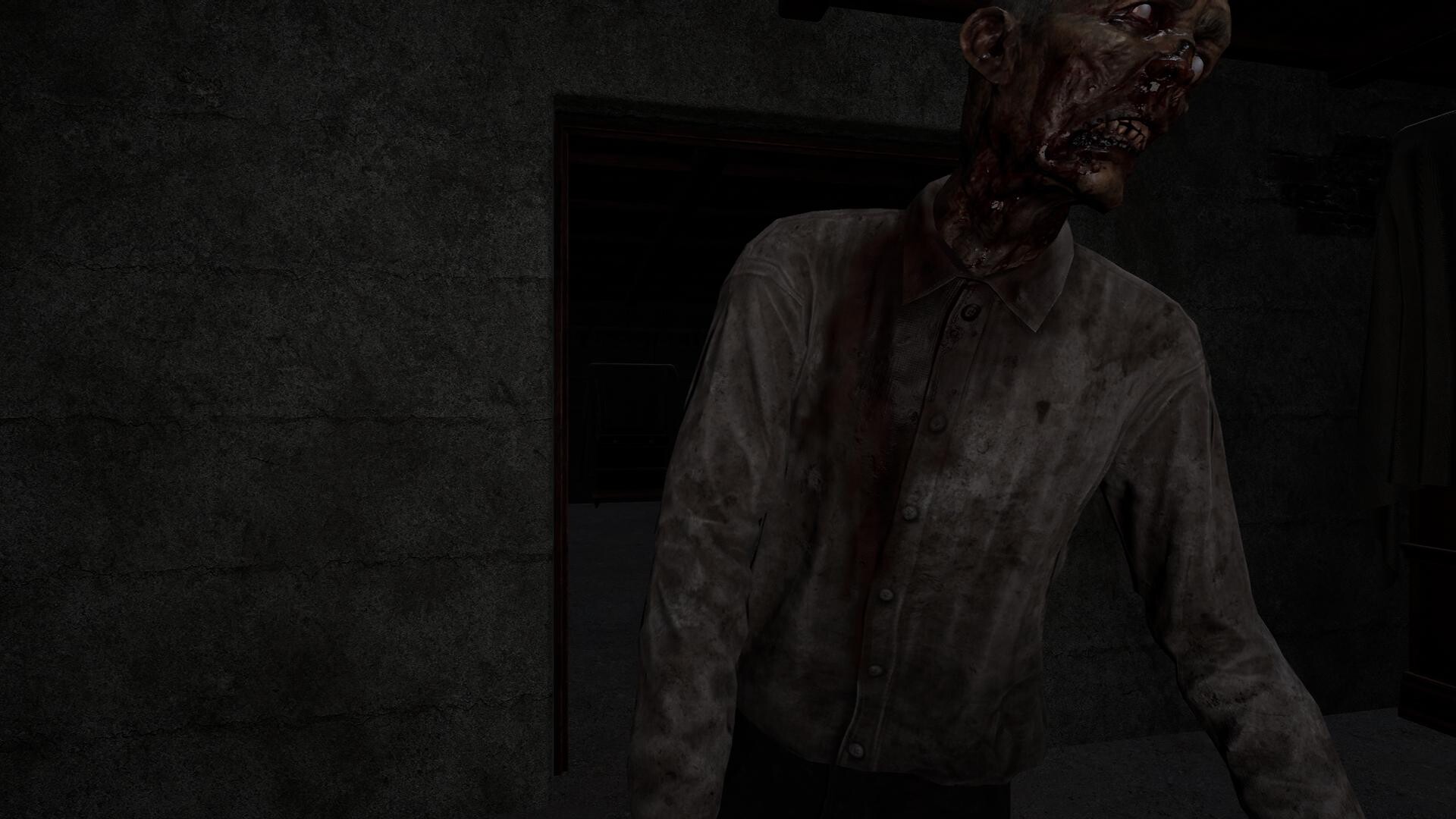
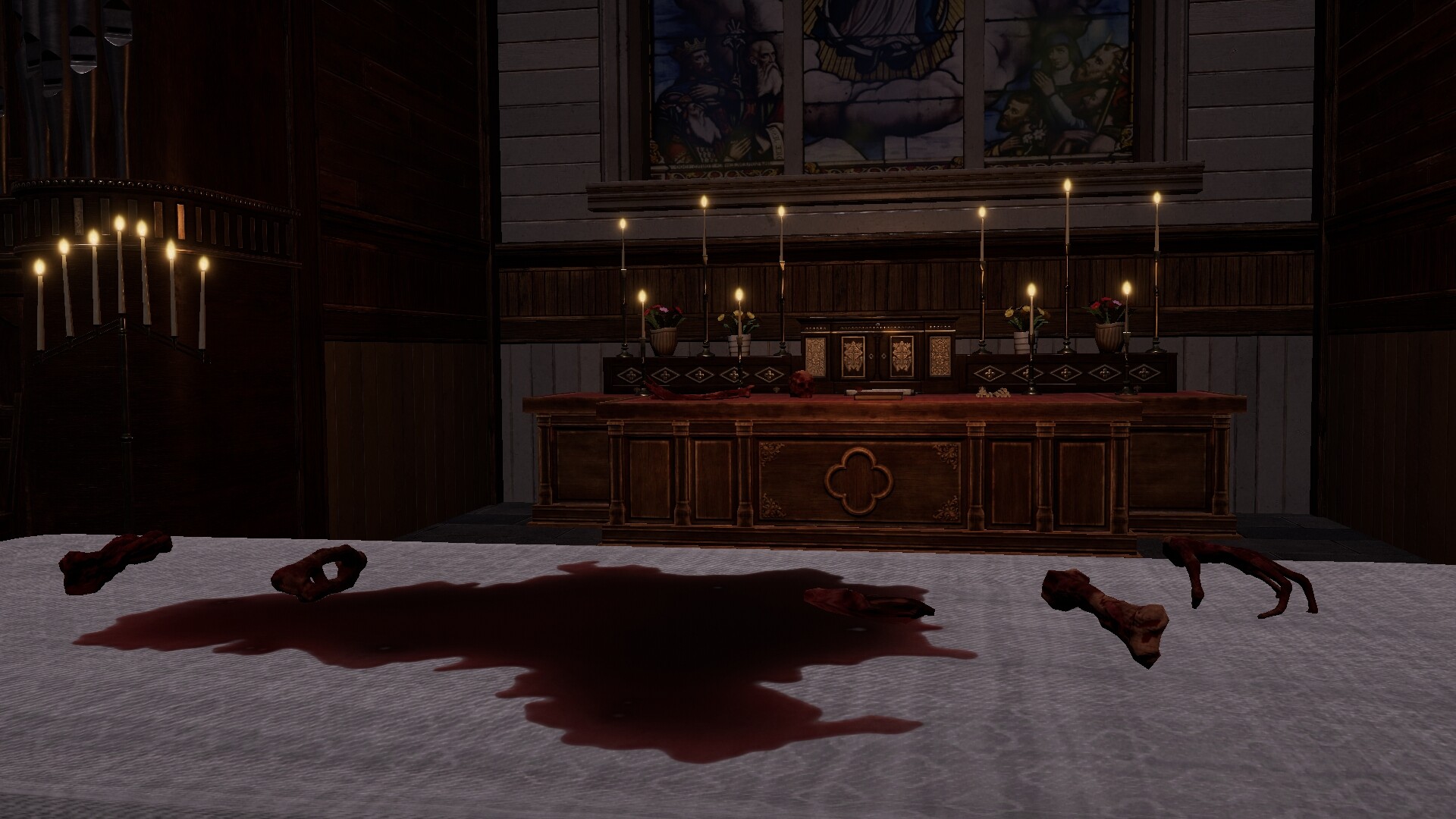
The official Steam description frames Trace of the Villa as a psychological investigation set inside a property “cut off from the grid.” Jin’s investigation pivots on restoring power: when the estate is re-energized, secured systems come back online, hidden compartments unlock, and safes yield fragments of encrypted documents and suspicious transfer records. Puzzles are tied explicitly to those mechanics — power returns functionality, systems reveal locks, and documents form the clue chains that reconstruct what happened. The mansion’s furnishings and missing identity markers form much of the atmosphere: rooms appear preserved but identities are erased, which pushes the player toward forensic reading of objects and records.
When and where (Steam context)
Trace of the Villa released on Steam on 28 May, 2026. It’s published and developed by Steadyturtle Co., Ltd. The Steam page lists Action, Adventure and Indie as genre tags and provides several accessibility and single-player categories that signal pacing and input options.
Why the theme matters — locked-room thinking and clue chains
The game’s conceit — a deliberately forgotten estate where records are gone and identities erased — makes locked-room reasoning central. Restoring power is the literal trigger: systems that were secured become informative objects instead of inert decoration. That design places emphasis on chains of evidence: a safe yields a document fragment, that fragment points to a terminal or transfer record, and systems reveal the next locked space. Players who enjoy tracing causality across objects and documents will find that mechanic directly supports investigative momentum rather than relying on contrived puzzle hoops.
How progression and puzzle reading work (from official details)
- Restore power: the narrative and gameplay both hinge on re-energizing the estate so previously locked systems begin to respond.
- Secured systems back online: terminals, electronic locks and controls return functionality that lets you access new areas or information.
- Safes and hidden compartments: physical locks yield fragments — encrypted documents, manifests, transfer records — each a node in a clue chain.
- Environmental reading: rooms are staged without names or photos; deducing who occupied a space requires close attention to belongings and contextual clues.
Player scenarios — who will get the most from Trace of the Villa?
- Scenario A — The methodical investigator: You like to catalog evidence, cross-reference small documents and build timelines. The game’s emphasis on safes, manifests and encrypted fragments suits you.
- Scenario B — The atmospheric explorer: You prefer slow, tense pacing and reading tone from environment rather than combat or timed challenges. The single-player, no-timed-input categories signal that fit.
- Scenario C — The narrative puzzle fan: You enjoy mystery games where systems unlock in stages and each reveal spawns another question. Restoring power as a mechanical pivot creates layered puzzles rather than isolated lock-and-key moments.
How it compares — brief editorial table
| Title | Genre / Focus | Atmosphere | Puzzle / Exploration Style | Pacing / Tone |
|---|---|---|---|---|
| Trace of the Villa | Action · Adventure · Indie — investigation driven by house systems | Mansion mystery; erased identities; forensic reading of rooms | Systems + safes + document fragments; clue chains tied to power restoration | Slow-burn; investigative; suspenseful |
| The Room | Adventure · Indie — tactile safe-and-box puzzles | Secretive, intimate puzzles in contained spaces | Mechanical puzzle boxes and single-focus interactions | Focused, puzzle-centric |
| The Room Two | Adventure · Indie — puzzle-box exploration across varied locales | Mysterious and atmospheric with cryptic objects | Puzzle-object investigation; less emphasis on environmental documents | Methodical, puzzle-driven |
| Escape Simulator | Adventure / Casual — interactive escape rooms (solo or co-op) | Playful, workshop-like rooms with physical interaction | Highly interactive object manipulation; community-made rooms | Variable — from casual to challenging depending on room |
Deciding whether to wishlist
Wishlist Trace of the Villa if you want a single-player, story-rich adventure that privileges environmental storytelling and document-based clue chains over timed inputs and reflex challenges. The Steam categories (subtitles, color alternatives, no timed input) reinforce that accessibility and reading-focused design. If you prefer puzzle-box microgames with immediately tactile solutions, you may find some differences in emphasis compared with The Room series; if you like highly physical escape-room interaction or multiplayer co-op, Escape Simulator offers a distinct, more interactive template.
YouTube discovery
Looking for trailers or gameplay footage? Search YouTube using this discovery path (note: this is a search link, not an official video link): Trace of the Villa trailer & gameplay on YouTube.
View Trace of the Villa on Steam
Disclaimer: referenced titles and trademarks belong to their respective owners. Comparisons are editorial discovery only and do not imply endorsement or official connection.