
Trace of the Villa — a slow-burn, clue-driven mansion mystery about a missing sister
Jin has spent years searching for his missing sister, and a new lead places him at a remote, decaying mansion where recovered manifests and hints suggest she may still be alive. Trace of the Villa shapes that search into atmospheric mystery adventure: a single-player, exploration-led investigation that asks players to piece together erased identities and a carefully concealed operation.

Quick facts
| Title | Trace of the Villa |
|---|---|
| Steam appid | 3483660 |
| Release date | 28 May, 2026 |
| Developer | Steadyturtle Co., Ltd. |
| Publisher | Steadyturtle Co., Ltd. |
| Genres | Action, Adventure, Indie |
| Key categories | Single-player; Color Alternatives; Custom Volume Controls; Playable without Timed Input; Subtitle Options; Family Sharing |
| Premise | Jin follows evidence from a decaying mansion — manifests and hints indicate his missing sister may still be alive at the end of the trail. |
| Store page | Trace of the Villa on Steam |
Who, what, when, where, why, and how
Who is this for?
Players who prioritize atmospheric mystery adventure and environmental storytelling over fast‑paced combat. If you enjoy slow-burn suspense, investigative pacing, and puzzle-led narrative progression—especially stories about family, disappearance, and erased identities—this is targeted at that audience.
What is the game?
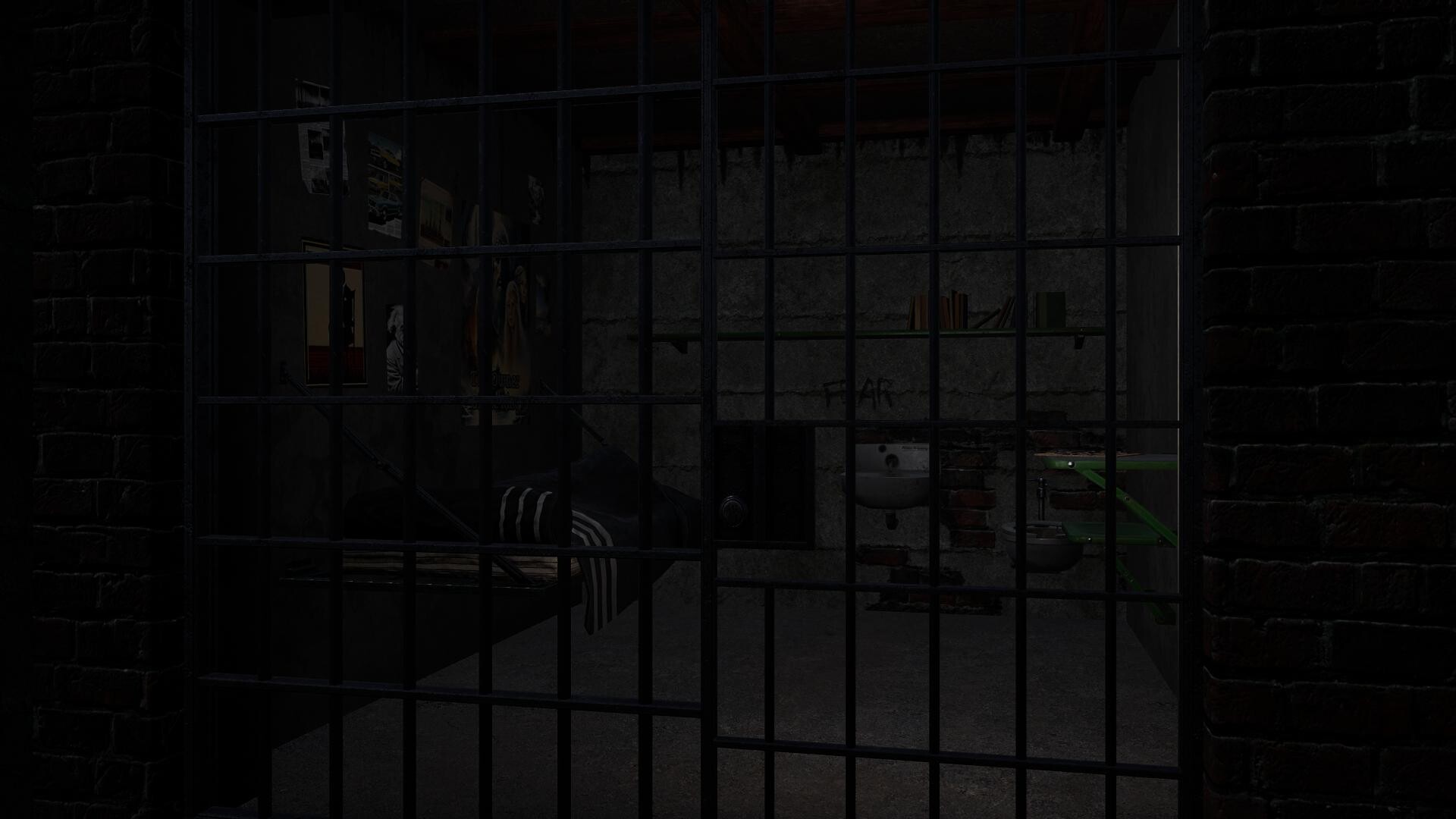
Trace of the Villa is an action/adventure indie on Steam where you play Jin, a searcher following a lead to a secluded, cut‑off mansion. The estate appears deliberately forgotten: rooms look lived-in yet identities and records are missing. The game centers on restoring power, reactivating secured systems, opening hidden compartments, and extracting fragments of encrypted documents and transfer records as you assemble the timeline.
When and where is it available?
The game released on Steam on 28 May, 2026. It’s presented as a PC Steam title developed and published by Steadyturtle Co., Ltd.
Why does the theme matter?
Trace of the Villa trades jump scares for accumulating dread: the absence of photographs, names and histories turns ordinary domestic objects into clues. The emotional stake—Jin’s search for his sister and the possibility she’s still alive—gives every unlocked safe and decrypted manifest weight. The theme matters if you want narrative tension rooted in mystery and personal motivation rather than spectacle.
How do you progress?
Progression is clue-driven and observational. According to the official description, restoring power to the estate is a turning point: secured systems come back online, hidden compartments unlock, and safes yield encrypted fragments. Players read manifests, piece together falsified identities and suspicious transfer records, and follow financial and movement patterns to reveal the mansion’s role in a larger operation. Puzzles are tied to discovery and reconstruction rather than timed reflexes—note the Steam category “Playable without Timed Input.”
Gameplay snapshots

Who should wishlist it — player scenarios
- The patient investigator: You like to read documents, reconstruct timelines, and let revelations build. You value atmosphere and story stakes over constant action.
- The narrative-first mystery player: If you’re motivated by personal stakes (a protagonist searching for a missing family member) and want a game where every unlocked file matters, this fits.
- The environmental storyteller lover: You prefer spaces that tell stories through objects and layout—rooms that feel “erased” rather than simply abandoned.
- The accessibility-minded player: Steam categories show subtitle options, custom volume controls, and playability without timed input—useful if you prefer deliberate pacing and options to tailor presentation.
How Trace of the Villa compares to nearby narrative/puzzle games
Below is a compact editorial comparison using genre, atmosphere, puzzle/exploration focus, pacing, and likely player fit. This is meant to help decide which audience matches each title; it is not a statement of superiority or endorsement.
| Title | Tone / Atmosphere | Puzzle & Exploration Focus | Pacing | Who might prefer it |
|---|---|---|---|---|
| Trace of the Villa | Slow-burn mansion mystery, personal stakes | Clue-driven: documents, restored systems, safes, encrypted fragments | Deliberate, investigative | Players who want environmental storytelling and emotionally driven investigation |
| Inscryption | Claustrophobic, psychological, metafictional | Mixed: card-based mechanics layered with puzzle/escape-room segments | Often tense and surprise-driven | Players seeking genre-blending puzzles and psychological twists |
| Outer Wilds | Wondering, cosmic mystery | Exploration-led puzzles across a solar system; discovery through experimentation | Patient, curiosity-driven | Those who like open-ended, systems-based mystery and environmental clues |
| Journey | Elegant, emotional, wordless | Traversal and atmospheric discovery rather than document puzzles | Flowing, contemplative | Players focused on emotional tone and minimalist storytelling |
| The Forgotten City | Philosophical, structured mystery | Puzzle and narrative interplay with time-loop mechanics | Structured, often puzzle-centric | Those who like moral puzzles and branching narrative consequences |
| The Medium | Psychological horror with parallel-reality exploration | Investigation across realms; story-driven puzzles | Steady, occasionally tense | Players who want dark, psychological stories and dual-reality mechanics |
Practical notes and discovery
Trace of the Villa’s Steam page indicates single-player presentation and accessibility features like subtitle options and the ability to play without timed input. If you want to see how the game looks in motion, search for trailers and gameplay using the YouTube discovery link below—this points to general search results rather than an asserted official trailer source.
Leave a Reply