Trace of the Villa — an inspection-heavy, locked-room mystery for slow-burn puzzle players
Trace of the Villa places you in a cut-off, decaying mansion as Jin, a protagonist following clues that may lead to his missing sister, combining environmental reading with chained object logic and safes that yield encrypted fragments. If you favor methodical, clue-driven exploration and puzzles that reward careful inspection over reflexes, this release (28 May, 2026) is aimed at that playstyle.

What Trace of the Villa is
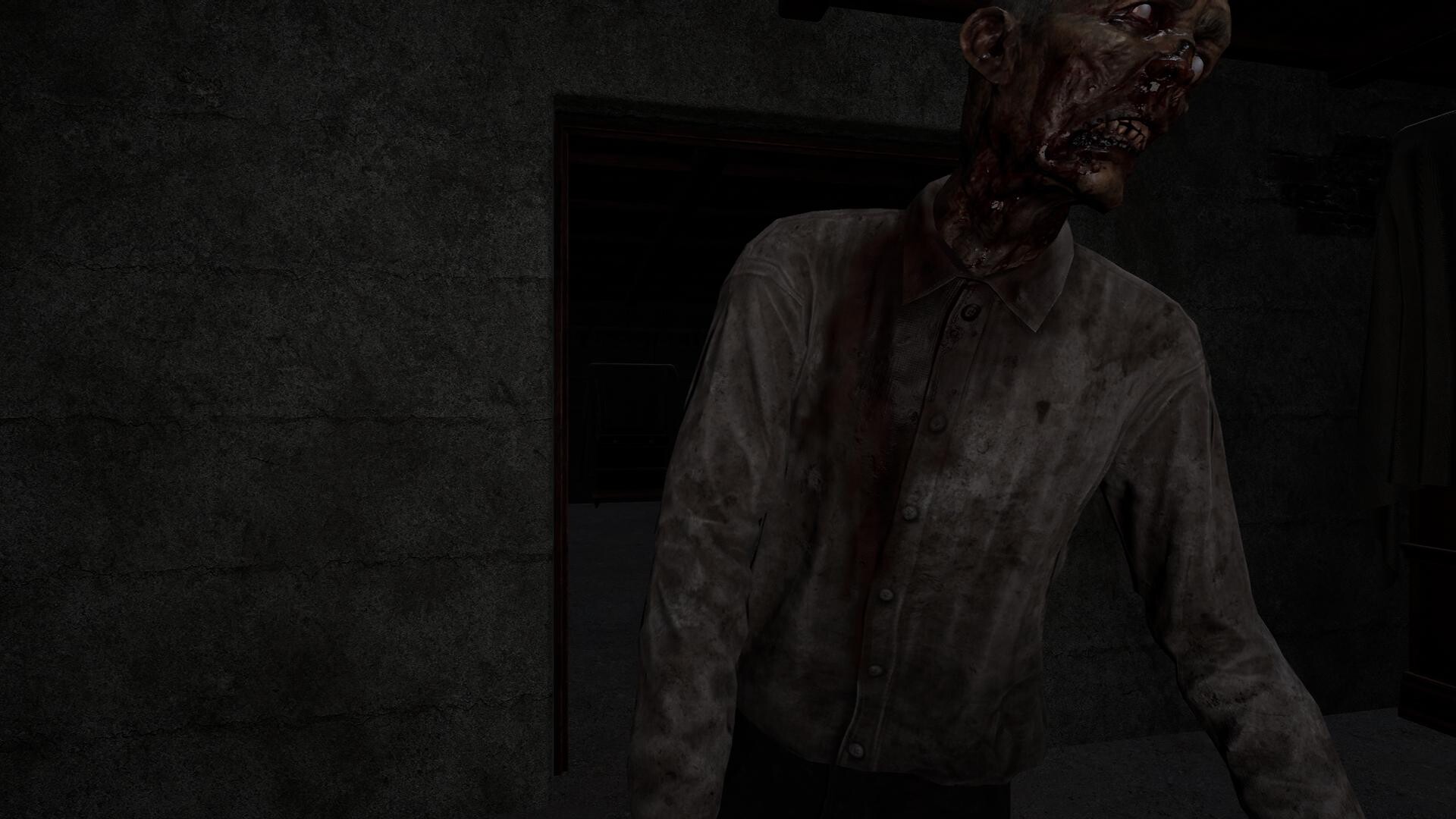
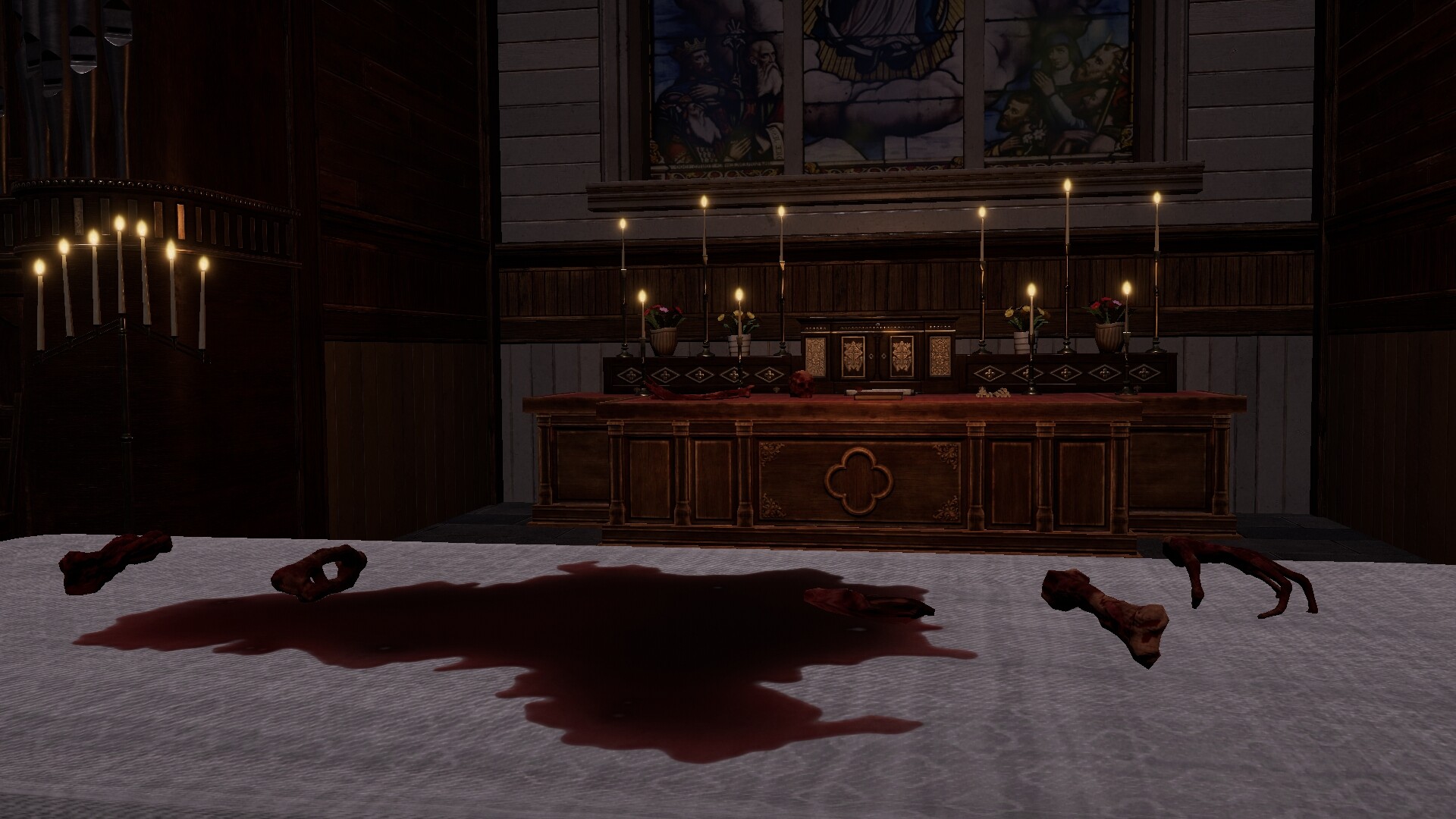
Trace of the Villa is a Steam PC release from Steadyturtle Co., Ltd. (developer and publisher) in the Action / Adventure / Indie space. Its premise, taken directly from the Steam page, positions Jin investigating a remote mansion where manifests, locked systems and falsified identities suggest people were controlled and erased — the game reveals layers of a concealed operation as you restore power and open secured compartments.
Who this is for
This is for players who enjoy: environmental storytelling, object-based puzzle chains, and slow-burn suspense. If you like spending time inspecting rooms, toggling systems back on to reveal new interactions, and assembling timelines from documents and fragmented records, Trace of the Villa aligns with that inspection-heavy approach.
When and where — Steam details
Trace of the Villa released on 28 May, 2026 on Steam. It is listed as Single-player and includes accessibility/usability options noted on the store page (Color Alternatives, Custom Volume Controls, Playable without Timed Input, Subtitle Options) and supports Family Sharing.
Why the setting and theme matter
The mansion setting matters because it converts rooms into narrative devices: furnished spaces that feel ‘erased’ of identity invite investigation rather than combat. Thematically, the game’s focus on manifests, transfer records and encrypted fragments turns inventory and document-scanning into core storytelling — your attention to detail is how the narrative unspools.
How progression works: object logic, environmental puzzles, and clue chains
Progression is built around classic locked-room thinking adapted for a modern indie adventure. Expect systems that only respond after power is restored, safes and hidden compartments that require chained solutions, and environmental cues (furniture placement, absent photos, scrambled records) that point to combinations or next steps. The design encourages iterative inspection: find an object, test it against a locked interface, retrieve a fragment, and use that fragment to narrow down the next location or code.
That inspection-heavy loop rewards methodical players—those who map out clue chains, cross-reference documents, and use the mansion itself as a logic board.
Compact facts — Trace of the Villa
| Title | Trace of the Villa |
|---|---|
| Steam App ID | 3483660 |
| Release date | 28 May, 2026 |
| Developer / Publisher | Steadyturtle Co., Ltd. |
| Genres | Action, Adventure, Indie |
| Key categories | Single-player; Color Alternatives; Custom Volume Controls; Playable without Timed Input; Subtitle Options; Family Sharing |
Player scenarios — when to wishlist this
- Prefer slow, cerebral puzzles: If you enjoy piecing together timelines and following document trails to unlock the next clue, add Trace of the Villa to your wishlist.
- Enjoy environmental, non-combat mystery: Players who like reading rooms and deducing from props rather than action sequences will find the mansion-focused design appealing.
- Dislike tight timers and twitch mechanics: The Steam page lists “Playable without Timed Input,” so pacing is deliberate rather than reaction-driven.
How it compares — editorial comparison
Below is a concise editorial comparison against nearby mystery/puzzle experiences. This is an editorial discovery comparison focusing on genre, atmosphere, puzzle focus, exploration style, and pacing—no endorsements or superiority claims.
| Title | Core focus | Puzzle style | Atmosphere / Tone | Player fit |
|---|---|---|---|---|
| Trace of the Villa | Investigation in a decaying mansion; document fragments and secured systems | Object logic, chained environmental puzzles, inspection-heavy | Slow-burn, psychological mystery; procedural concealment and erased identities | Players who map clue chains and prefer narrative-driven exploration |
| The Room | Single-room mechanical puzzles centered on a mysterious safe | Mechanical, tactile puzzle boxes and safes | Isolated, tactile mystery focused on curiosity and atmosphere | Players who like focused, tactile puzzle challenges in contained spaces |
| The Room Two | Expanded mechanical puzzles across multiple interconnected scenes | Complex mechanical puzzles with layered interactions | Cryptic, immersive; explores a wider set of locations than the first | Players who enjoyed The Room and want broader exploration with similar puzzle logic |
| Escape Simulator | Highly interactive escape-room simulation with many community rooms | Physical interaction, object examination, and varied room scripts | Playful to tense depending on room; heavy on interaction mechanics | Players who want interactive object physics and co-op or community-made rooms |
| Hi-Fi RUSH | Action game synced to music, combat and rhythm-based encounters | Action/rhythm mechanics rather than environmental puzzles | Upbeat, kinetic — contrasts with slow-burn mystery | Players seeking rhythmic action and fast pacing, not suitable if you want inspection-led puzzles |
YouTube discovery
If you want to see trailers or gameplay clips, search YouTube using this query path: Trace of the Villa trailer/gameplay search. The search URL is provided for discovery; it does not imply a specific official video unless verified on the Steam page.
Final decision pointers
Choose Trace of the Villa if you prioritize environmental reading, document archaeology, and puzzle chains that rely on inspection. If you prefer tactile safe-picking puzzles in a single locked box, The Room series is more compact; if you want interactive physics and co-op, consider Escape Simulator. Trace of the Villa sits between narrative adventure and mystery puzzle design, leaning into atmosphere and investigative pacing.
Referenced titles and trademarks belong to their respective owners; comparisons here are editorial discovery only.