
Trace of the Villa — why quiet tension and patient uncertainty matter more than loud shocks
Trace of the Villa is a slow-burn, mood-driven mystery that favors withheld details, environmental clues, and the creeping realization that something systematically erased a place and its people. If you prefer a game that builds pressure through atmosphere and investigation rather than jump-scare spectacle, this Steadyturtle title aims squarely at that audience.

Who this is for
Players who enjoy atmospheric mystery adventure and story-rich exploration — think clue-driven investigation and narrative puzzle design — will find Trace of the Villa appealing. It’s best suited to people who like unraveling a timeline from fragments, reading details in the environment, and letting mood and suggestion build suspense instead of relying on repeated jump scares.
What the game is
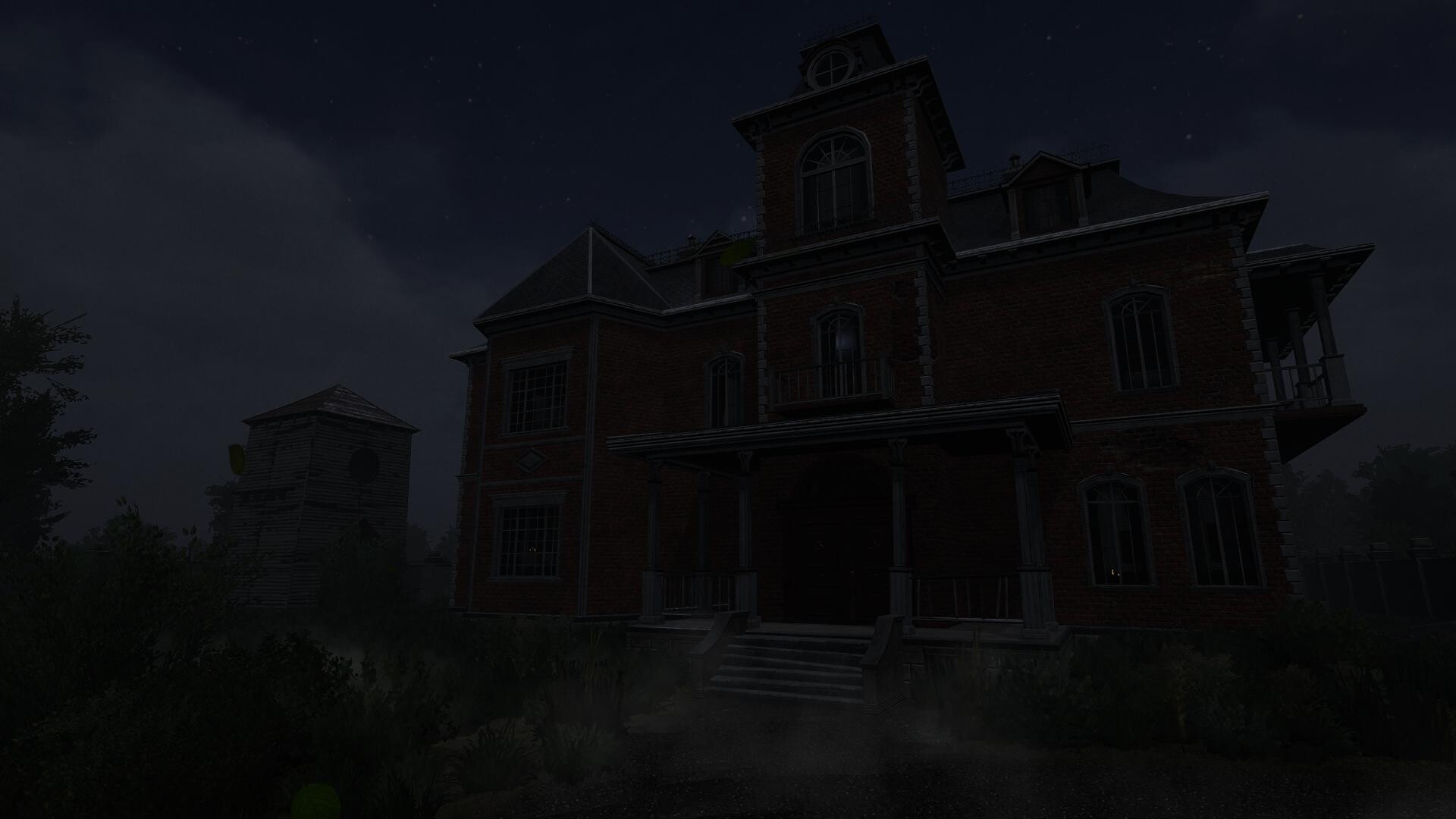
Trace of the Villa follows Jin, a protagonist who has spent years searching for his missing sister. A lead takes him to a remote, decaying mansion cut off from the grid where traces of past occupancy remain but names, photographs and clear identities are conspicuously absent. When Jin restores power to the estate, systems come back online, hidden compartments and safes unlock, and puzzles yield encrypted documents and transfer records that point to a larger, carefully concealed operation. The narrative and progression are driven by investigation, exploration, and uncovering layers of a mystery rather than direct combat or horror spectacle.
When and where
Trace of the Villa released on 28 May, 2026 and is available on Steam for PC. The game is developed and published by Steadyturtle Co., Ltd.
Why quiet tension and uncertainty matter here
Psychological horror built on restraint works because uncertainty occupies the player’s imagination. The mansion’s “erased” quality — rooms frozen mid-routine, personal belongings with no names, and financial trails that go nowhere — hands the player the role of interpreter. That interpretive space turns small, odd details into sources of unease: a missing photograph becomes proof that identity has been removed; a locked safe becomes a promise of information that may itself be distressing. Games that trade atmosphere for frequent shocks often resolve tension quickly; Trace of the Villa uses slow revelation so the feeling of dread accumulates and lingers.
How you progress
- Exploration and environmental storytelling: examine furnished rooms, notes, and objects left behind.
- Systems restoration: restoring power and reactivating estate systems triggers new veins of investigation.
- Puzzle and document analysis: opening safes, decrypting fragments and following suspicious transfer records reveal the mansion’s timeline and the broader operation hinted at in the estate’s records.
Compact facts: Trace of the Villa
| Title | Trace of the Villa |
|---|---|
| Steam App ID | 3483660 |
| Release date | 28 May, 2026 |
| Developer / Publisher | Steadyturtle Co., Ltd. |
| Official short description | Jin has spent years searching for his missing sister, pursuing leads that took him to a remote, decaying mansion where he recovered manifests and hints that indicate his sister may still be alive, somewhere at the end of the trail he is about to follow. |
| Genres | Action, Adventure, Indie |
| Key Steam categories | Single-player; Color Alternatives; Custom Volume Controls; Playable without Timed Input; Subtitle Options; Family Sharing |
| Steam reviews (public) | No user reviews |

Which players should wishlist it — specific scenarios
- You prefer puzzle-led narrative: you enjoy solving safes, decrypting documents, and following financial or bureaucratic trails to build a timeline.
- You like slow-burn horror: you value sustained unease and atmosphere that turns small details into sources of narrative weight.
- You care about environmental storytelling: if reading the world — objects, layout, and incomplete records — is how you want a story delivered, this fits.
- You avoid timed-input stress: the Steam categories list “Playable without Timed Input” and subtitles and custom volume controls support accessibility for deliberate play.
How it compares — short editorial table
Below is a focused comparison on atmosphere, puzzle focus, exploration style, pacing and tone. These are editorial observations based on the listed titles’ public descriptions and release contexts.
| Title (year) | Atmosphere | Puzzle focus | Exploration style | Pacing / Tone |
|---|---|---|---|---|
| Trace of the Villa (2026) | Decaying mansion, erased identities, quiet dread | Document/safe puzzles, systems restoration | Clue-driven, room-by-room investigation | Slow-burn, investigative, mood-driven |
| Amnesia: The Dark Descent (2010) | Immersive claustrophobic horror | Puzzle/adventure elements with survival tension | First-person immersion, horror-forward exploration | High tension with strong survival mechanics |
| SOMA (2015) | Underwater sci-fi dread, existential unease | Puzzle and environmental challenge with narrative beats | Story-led exploration in confined spaces | Philosophical, atmosphere-heavy, steady tension |
| Layers of Fear (2016) | Shifting Victorian mansion, psychological distortion | Environmental puzzles tied to narrative reveal | Closely guided with surreal, changing spaces | Madness-themed, atmospheric, variable pacing |
| Poppy Playtime (2021) | Abandoned factory, menacing toys | Puzzle tools (e.g., GrabPack) and encounter puzzles | Puzzle-adventure in a large, landmarked facility | Adventure-horror with episodic set-pieces |
YouTube discovery
Looking for trailers or gameplay clips? Search results for Trace of the Villa can be found here: Trace of the Villa trailer & gameplay on YouTube. This is a discovery path; confirm any official videos by checking the publisher’s verified channels.
Steam page: Trace of the Villa on Steam
Disclaimer: referenced titles and trademarks belong to their respective owners. Comparisons are editorial discovery only and do not imply endorsement, sponsorship, or official connection.
Leave a Reply