
Trace of the Villa: an escape-room style mansion mystery built around power, safes, and paper trails
Trace of the Villa puts you in Jin’s shoes: a years-long search for a missing sister leads to a remote, deliberately forgotten mansion where restoring power and reading the environment unspools a chain of locked secrets. Released on 28 May, 2026 by Steadyturtle Co., Ltd., the game foregrounds secured systems, safes and fragmented documents as mechanical and narrative anchors.

| Title | Trace of the Villa |
|---|---|
| Developer / Publisher | Steadyturtle Co., Ltd. |
| Release date | 28 May, 2026 |
| Genres / Categories | Action, Adventure, Indie — Single-player; Color Alternatives; Custom Volume Controls; Playable without Timed Input; Subtitle Options; Family Sharing |
| Steam appid / Store | Trace of the Villa on Steam (appid 3483660) |
Who this is for
If you enjoy atmospheric mystery adventure on PC — slow-burn suspense in a mansion setting rather than fast action setpieces — Trace of the Villa is aimed at players who prefer environmental storytelling, detective-style clue chains, and puzzle pacing that rewards careful reading of systems and documents. The game’s Steam categories (single-player, subtitle options, no timed input) also point to a player base that values accessibility and measured exploration over twitch reactions or online co-op.
What the game is
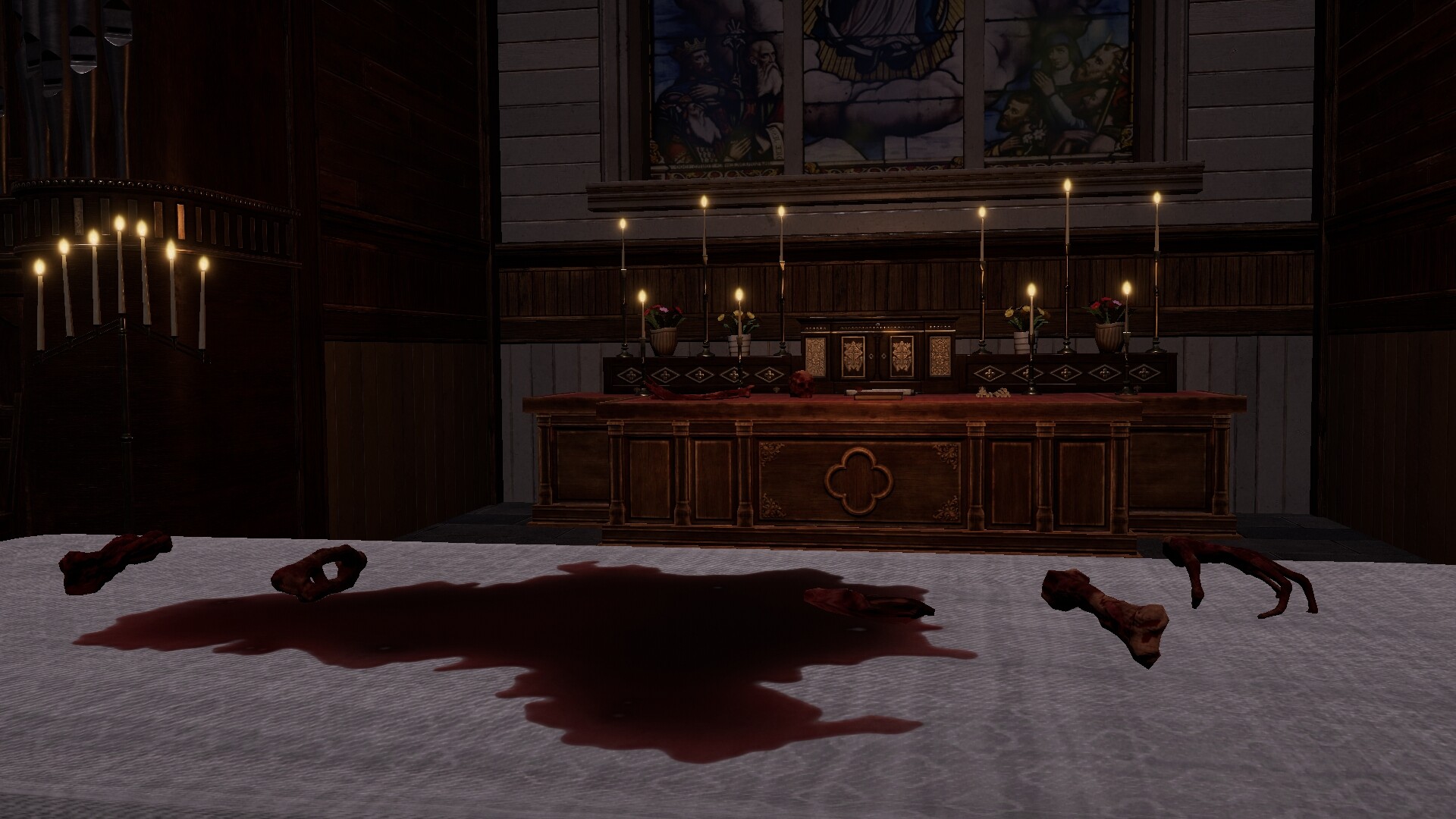
Officially, Trace of the Villa follows Jin, who after years searching for his missing sister finds a decaying mansion “cut off from the grid and deliberately forgotten.” The house reads like an engineered mystery: rooms appear as if occupants vanished mid-routine, identities wiped from plain sight, and locked doors that conceal “hastily secured secrets.” Mechanically, the premise ties restoration of power to progression — when Jin restores power, “secured systems come back online,” hidden compartments and safes reveal fragments of encrypted documents and suspicious transfer records, and each solved puzzle reveals another layer of a larger, concealed operation.

When and where
Trace of the Villa released on Steam on 28 May, 2026. The Steam store listing presents platform-relevant categories and accessibility features — single-player, subtitle options, and “playable without timed input” — useful signals when deciding if the experience fits your setup and playstyle.
Why the theme matters: power, systems and documentary evidence as puzzle tools
Unlike puzzle rooms that isolate mechanical locks from story, Trace of the Villa uses estate infrastructure and paperwork as the connective tissue of mystery. Restoring power is not a mere set dressing here: it is the pivot that reactivates systems and reveals locked content. Safes and encrypted documents are explicitly cited in the official description; these elements suggest a gameplay loop where technical restoration, forensic reading of documents and following financial trails are core to narrative progress. For players who like their puzzles to double as worldbuilding — where each recovered manifest or transfer record recontextualizes previous discoveries — that design direction is essential.
How you read clues and progress
The official premise outlines a clear investigative rhythm: locate signs of past occupancy, restore power to reactivate systems, open secured compartments and safes, and then assemble fragments of encrypted documents and transfer records into a coherent timeline. That chain — observation → system restoration → secured access → document forensics — is a locked-room thinking pattern: every unlocked element should feel like a logical step in a traceable chain rather than a random key found in a drawer.
Player scenarios — which sessions fit this game
- Single-session late-night exploration: Players who prefer uninterrupted, atmospheric sessions where they can take time reading documents and backtracking through unlocked rooms will find the mansion’s deliberate pacing appropriate.
- Short-burst investigators: If you like dropping into a game for 30–60 minutes to inspect one new area, Trace of the Villa’s emphasis on environmental detail and no timed input supports that play pattern.
- Clue-chaining puzzle lovers: Players who enjoy creating timelines from fragments — cross-referencing manifests, transfer records and system logs — will appreciate how narrative progress ties to unlocking systems and safes.
- Accessibility-minded players: Steam categories like subtitle options, color alternatives, and custom volume controls point to designers who considered non-twitch accessibility.
How it compares to nearby mystery and puzzle titles
| Game | Genre | Puzzle focus | Exploration style | Tone / Pacing |
|---|---|---|---|---|
| The Room | Adventure / Indie | Mechanical safe and puzzle-box manipulation | Confined, focused puzzle rooms | Tactile, puzzle-driven, intimate |
| The Room Two | Adventure / Indie | Multi-stage puzzle boxes with layered reveals | Linear scene-to-scene progression | Slow-burn, steadily escalating mystery |
| Escape Simulator | Adventure / Casual / Indie / Simulation | Highly interactive, physics-driven escape-room puzzles | Room-scale, object interaction and sandboxing |
YouTube discoveryFor trailer and gameplay discovery, use YouTube search rather than relying on unverified embeds: Find Trace of the Villa trailer and gameplay searches on YouTube. CommentsMore posts |
Leave a Reply