
Trace of the Villa — a slow-burning mansion mystery built around one man’s search
Trace of the Villa puts you in Jin’s shoes: years of searching for a missing sister lead to a remote, decaying mansion where manifests and encrypted fragments suggest the trail isn’t cold after all. It’s a focused, narrative-driven action-adventure from Steadyturtle Co., Ltd. that asks players to read power grids, locked rooms, and erased records as if they were pages of a family album that’s been redacted.

Quick facts
| Title | Trace of the Villa |
|---|---|
| Steam AppID | 3483660 |
| Release date | 28 May, 2026 |
| Developer / Publisher | Steadyturtle Co., Ltd. |
| Genres | Action, Adventure, Indie |
| Key Steam categories | Single-player; Color Alternatives; Custom Volume Controls; Playable without Timed Input; Subtitle Options; Family Sharing |
Who, what, when, where, why, and how
Who is this for?
Players who favor story-rich indie games with emotional stakes and a strong investigation hook: people who want a slow-burn mansion mystery where the protagonist’s personal loss (Jin’s search for his sister) drives every discovery. If you prefer narrative puzzles and environmental storytelling over twitch reflexes, this is aimed at you — the Steam page lists “Playable without Timed Input” as a category, and accessibility options like color alternatives and subtitles point to a player-first design.
What is the game?
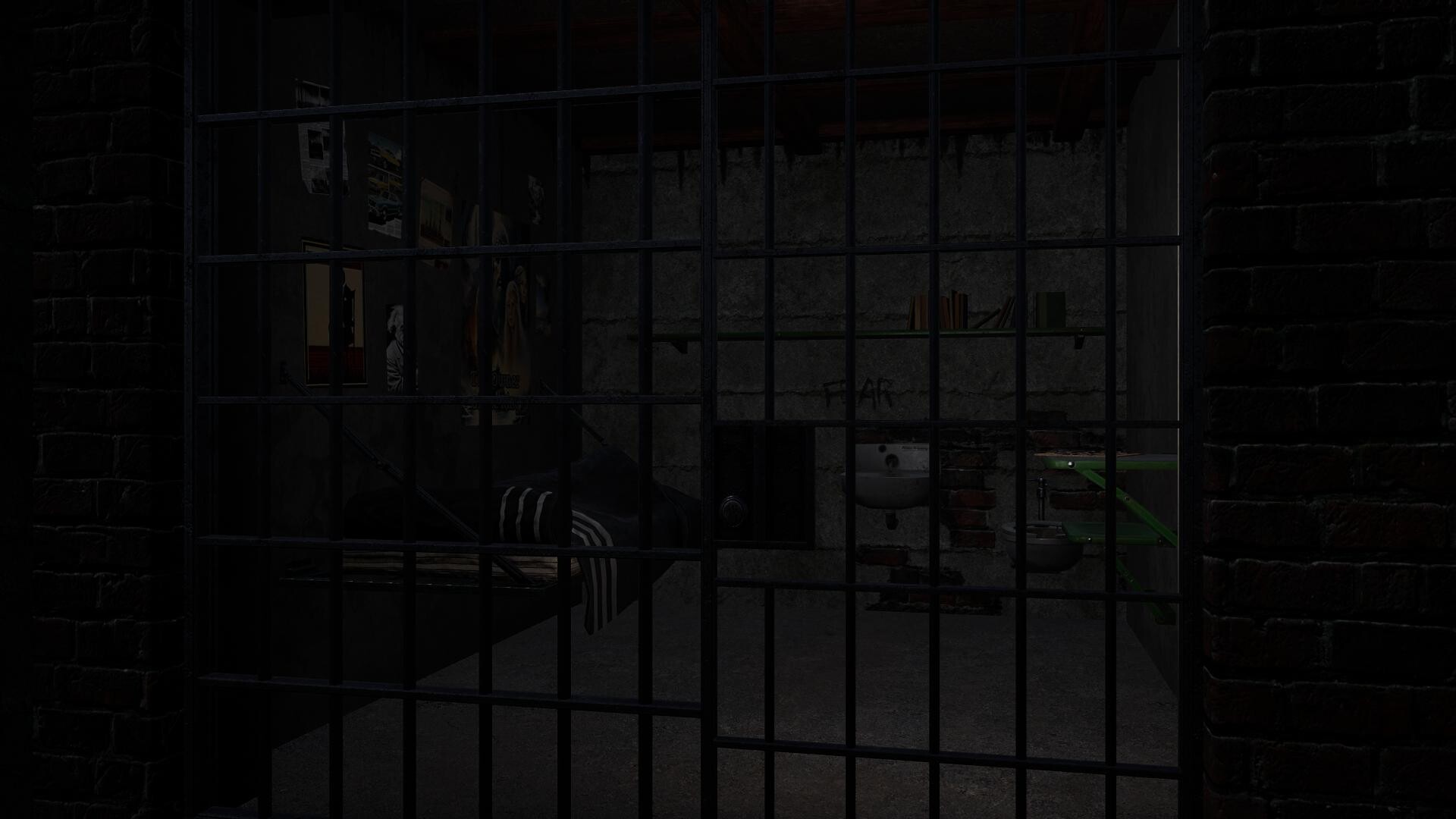
Trace of the Villa is an action-adventure indie where exploration and forensic-style clue work take center stage. The opening premise is concrete on Steam: Jin locates a property cut off from the grid, finds manifests and hints, and begins to restore systems that reveal a carefully concealed operation. The mansion feels “erased” — rooms set as if abandoned mid-routine, no names or photos, and locked doors that guard fragments of identity.
When and where is it available?
Trace of the Villa released on 28 May, 2026 and is available on Steam. The store page contains official imagery and the release information noted above.
Why the theme matters
The game’s emotional hook is straightforward: the search for a missing relative creates personal urgency. Thematically, the mansion’s erased identities and falsified records make the mystery less about supernatural spectacle and more about accountability, lost people, and the horror of institutional erasure. That tonal choice will matter to players who want narrative weight and a moral undertow alongside puzzle solving.
How you read clues and progress
The Steam description explains the core progression loop: restoring power to the estate reactivates secured systems; hidden compartments and safes become accessible; encrypted documents and suspicious transfer records surface. Progress is clue-driven — combine manifests, encrypted fragments, and restored logs to reconstruct a timeline. Each solved lock or decrypted file opens another narrative layer, and as Jin pieces the pattern together you follow a trail of arrivals and departures that were deliberately masked.

Player-fit scenarios
- If you want a narrative spine: You’re driven by motive and consequence — Jin’s search for his sister gives discoveries emotional weight rather than abstract puzzle reward.
- If you prefer environmental storytelling: The mansion’s staged rooms and missing identifiers reward careful observation and note-keeping over combat or speed runs.
- If you respect accessibility and a paced experience: Built-in options like subtitles, color alternatives, and “playable without timed input” make this a good fit if you dislike frantic, reflex-based challenge.
- If you want investigative puzzles: Expect encrypted documents, safes, and reactivated systems that reveal fragments of a concealed operation — these are the mechanics the store description emphasizes.
How Trace of the Villa compares — editorial discovery
Below is a compact editorial comparison with nearby story-driven mystery/adventure titles. This is to help you decide whether Trace of the Villa matches your tastes based on atmosphere, puzzle emphasis, exploration style, and pacing.
| Title | Mood / Pacing | Primary puzzle focus | Exploration style | Story focus |
|---|---|---|---|---|
| Trace of the Villa | Slow-burn, investigative mansion mystery | Restoring systems, decrypting documents, locked compartments | Contained mansion; clue-driven, room-by-room reconstruction | Personal search (Jin) and a concealed operation revealed through records |
| Inscryption | Dark, tense, emergent—psychological horror elements | Card-based deckbuilding blended with escape-room puzzles | Layered meta-structure; progression through card-based scenes | Mystery encoded in objects (cards) and metafictional reveals |
| Outer Wilds | Open-world, exploratory, time-loop urgency | Environmental puzzles tied to celestial mechanics and discovery | Solar-system scale; systemic exploration across locations | Unraveling cosmic mystery via player-led investigation |
| Journey | Quiet, contemplative, poetic pacing | Traversal and environmental interaction rather than discrete puzzles | Linear to semi-open landscapes focused on atmosphere | Emotion-driven travel and discovery without heavy narrative text |
| The Forgotten City | Thoughtful, rule-based narrative with time-loop tension | Dialogue and logic puzzles built around time-rewind mechanics | Exploration of a single ancient city with branching solutions | Moral consequences and unraveling a societal mystery via time mechanics |
The Medium
Steam pageView Trace of the Villa on Steam YouTube discoveryFor trailer and gameplay discovery, use YouTube search rather than relying on unverified embeds: Find Trace of the Villa trailer and gameplay searches on YouTube. CommentsMore posts |
Leave a Reply