Trace of the Villa — an escape-room style mansion mystery built around clue chains and environmental reading
Trace of the Villa centers on Jin’s hunt for a missing sister inside a remote, decaying mansion where manifests, safes and restored systems reveal an unsettling operation. The game frames locked-room thinking and chained puzzles inside a slow-burn, story-rich adventure that asks players to read rooms as much as solve devices.

Quick facts
| Title | Trace of the Villa |
|---|---|
| Steam appid | 3483660 |
| Release date | 28 May, 2026 |
| Developer / Publisher | Steadyturtle Co., Ltd. |
| Genres | Action, Adventure, Indie |
| Notable Steam categories | Single-player; Color Alternatives; Custom Volume Controls; Playable without Timed Input; Subtitle Options; Family Sharing |
| Official short description | “Jin has spent years searching for his missing sister, pursuing leads that took him to a remote, decaying mansion where he recovered manifests and hints that indicate his sister may still be alive, somewhere at the end of the trail he is about to follow.” |
Who should wishlist this
Players who prefer clue-driven exploration over combat-forward pacing: people who enjoy environmental storytelling, slow-burn suspense, and puzzles that connect across rooms rather than isolated mini-games. If you like detective beats (recovering documents, restoring power, opening safes) and a protagonist-led personal mystery, this is aimed at you.
What the game is
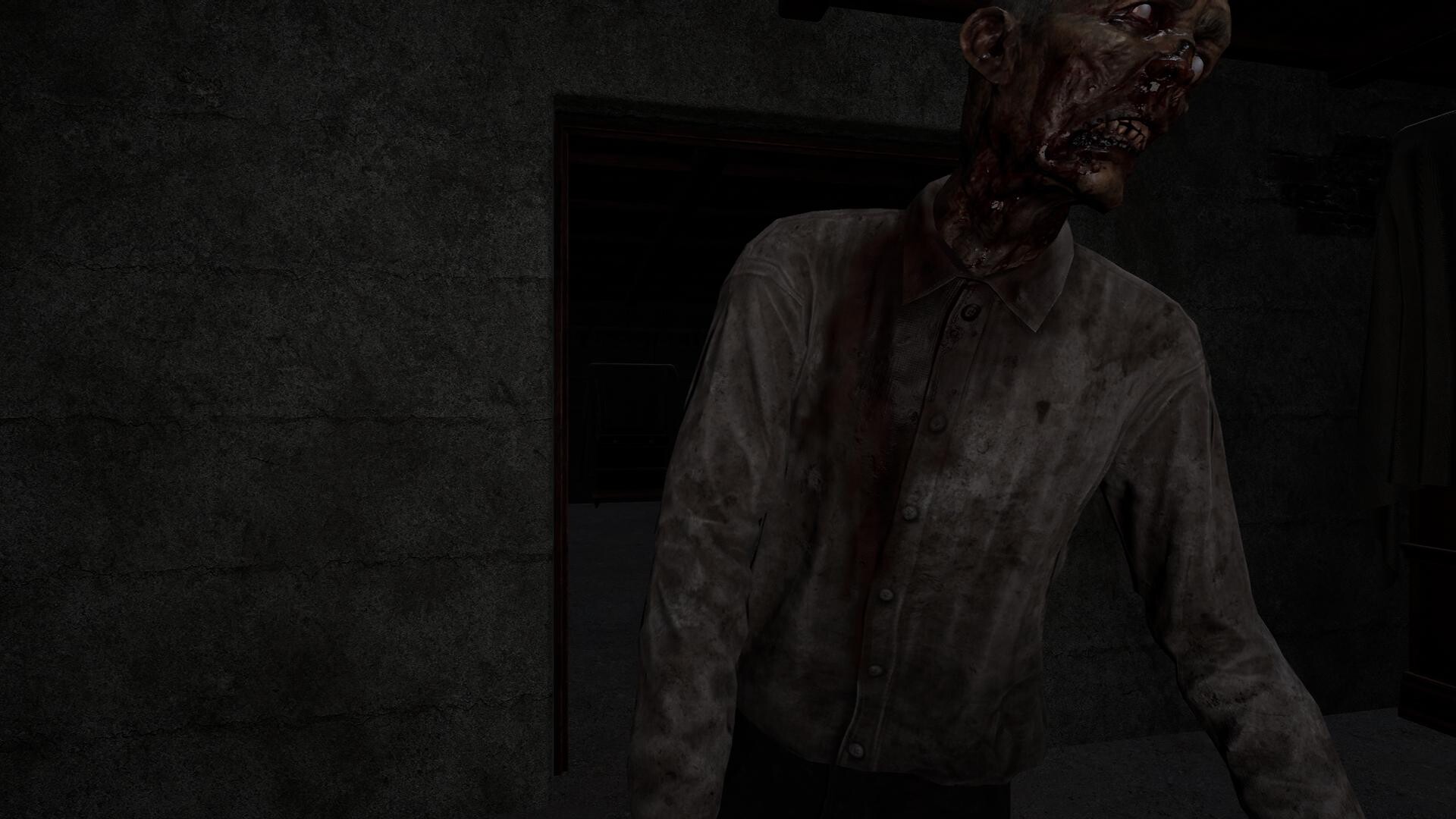
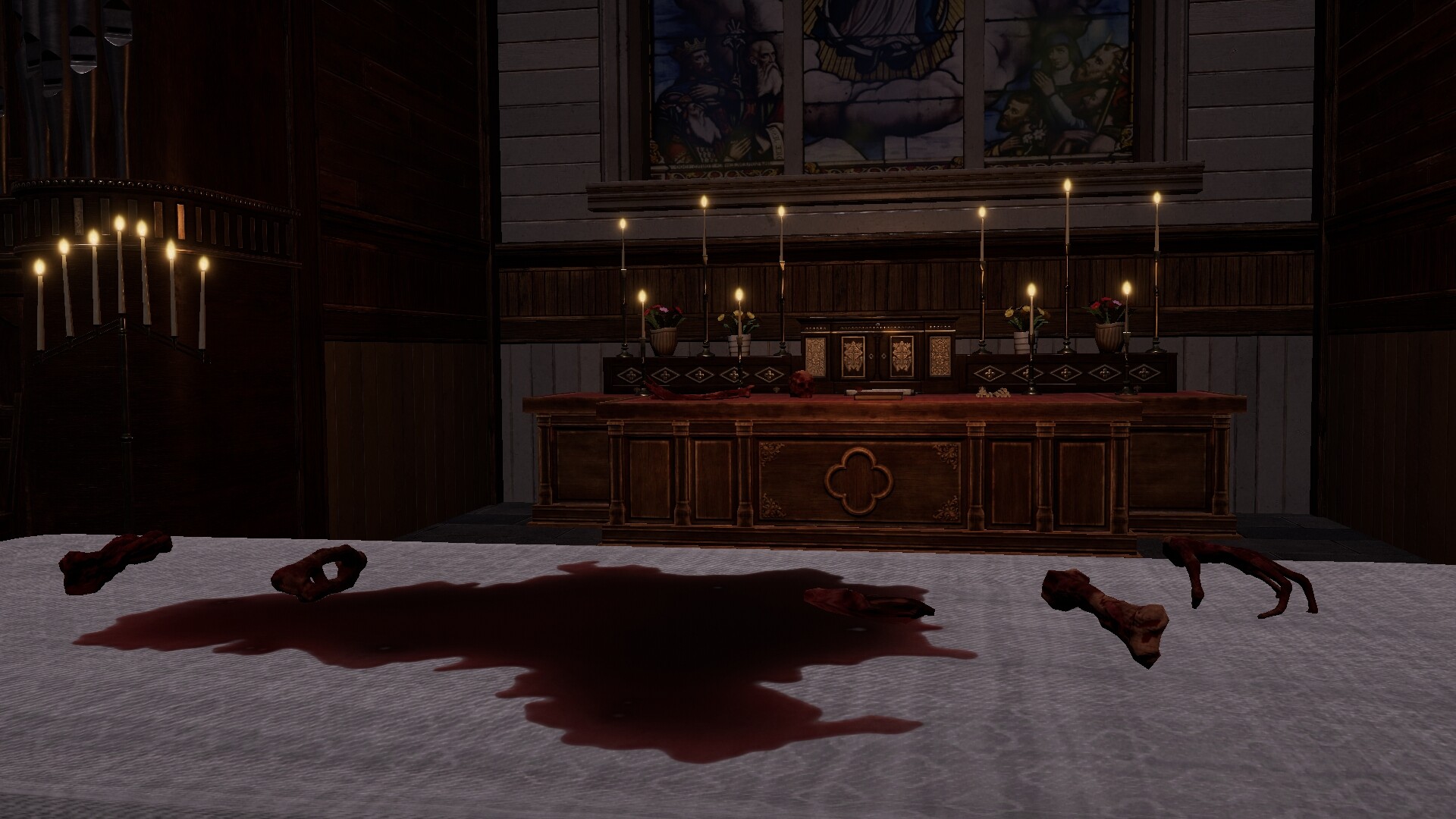
Trace of the Villa is presented as an atmospheric mystery adventure where you play Jin, following a lead to a deliberately forgotten mansion and using recovered manifests and system restoration to uncover hidden operations and encrypted fragments. The official description highlights furnished rooms that suggest occupants vanished mid-routine, locked doors that conceal secured secrets, and secured systems coming back online as part of progression.
When and where
Trace of the Villa launched on Steam on 28 May, 2026. It’s listed with Steam-friendly accessibility features (subtitle options, custom volume controls, color alternatives) and single-player support—details that matter to players prioritizing comfort and readability in puzzle-heavy experiences.
Why the premise matters
The narrative conceit—a mansion that appears “erased” of names and photographs, where financial trails and falsified identities surface—works as more than atmosphere. It gives puzzle design a logical spine: each recovered item or restored subsystem isn’t just a gate to the next room, it’s evidence in a chain that maps a timeline. For players who appreciate investigative beats and story-anchored puzzles, that connective tissue is the game’s core promise.
How progression, locked-room thinking and clue chains fit together
From the official material we know key progression moments include restoring power, unlocking hidden compartments and opening safes to reveal encrypted documents and transfer records. That suggests a puzzle-chain momentum model: you restore a subsystem, which reveals clues; those clues decode other systems or access points; solved systems yield narrative fragments that recontextualize earlier rooms.
Practically, this places premium value on environmental reading. Objects left “mid-routine,” missing photographs, and financial manifests are not window dressing but nodes in reasoning chains. Players who approach each room like a locked-room vignette—cataloguing items, cross-referencing notes, and testing mechanical interlocks—will extract the most narrative satisfaction.
Player scenarios — when this is a good fit
- Solo deduction session: You want a one-player investigative loop where reaching plot beats depends on solving interconnected puzzles rather than reflexes. The game’s categories note “Playable without Timed Input.”
- Slow-burn evening: Prefer methodical pacing and atmospheric tension; you like reading documents and piecing timelines together over short bursts of action.
- Accessibility-minded players: The presence of subtitle options, color alternatives, and custom volume controls makes the title more approachable if you rely on settings to tailor sensory feedback.
How it compares — a concise editorial table
| Title | Focus | Playstyle | Pacing / Tone |
|---|---|---|---|
| Trace of the Villa | Clue-chain investigation, environmental storytelling | Single-player, exploration with puzzle chains (power restoration, safes, documents) | Slow-burn, psychological mansion mystery |
| The Room | Mechanical puzzles, tactile safes and boxes | Single-player, object-focused puzzle solving | Dense, intimate puzzle rooms with a mysterious tone |
| Escape Simulator | Highly interactive escape rooms, sandbox puzzle interaction | Solo or co-op, physics and item interaction heavy | Variable pacing; room-to-room puzzle bursts |
| Hi-Fi RUSH | Rhythm-driven action (included for contrast) | Action-oriented, combat and pacing tied to music | Upbeat, kinetic — not a puzzle-driven mystery |
Note: comparisons focus on genre, atmosphere, puzzle style and pacing as editorial discovery, not endorsements.
Practical notes for prospective players
- Expect a narrative-centric puzzle flow—documents, manifests and system states play a role in revealing the next objective.
- Features listed on Steam prioritize comfort (subtitles, color alternatives) and single-player completion rather than multiplayer puzzle sessions.
- If your preference is modular, short-form rooms with heavy object interaction (Escape Simulator), you will notice a different rhythm here: Trace of the Villa leans into chained revelations and atmosphere rather than stand-alone escape-room vignettes.
YouTube discovery
Looking for trailers or gameplay clips? Search results related to Trace of the Villa can be found here: YouTube search: Trace of the Villa trailer gameplay. This is a discovery path; confirm official sources before assuming any clip is published by the developer.
Steam link
If this sounds like your kind of investigative journey, the Steam page is here: Trace of the Villa on Steam
Editorial takeaway
Trace of the Villa positions itself for players who prize locked-room logic extended across a larger, narrative house — where each unlocked subsystem and decrypted document becomes both puzzle payoff and story evidence. If you want
Leave a Reply