Who Should Consider Trace of the Villa After Enjoying Atmospheric Mystery Adventures
Trace of the Villa puts a personal, clue-driven investigation at the center of a decaying mansion mystery: Jin follows manifests, restored systems and sealed safes toward answers about a missing sister. If you prize environmental storytelling, methodical clue-gathering, and a slow-burn unraveling of a carefully hidden operation, this Steam release warrants a close look.

Quick facts
| Title | Trace of the Villa |
|---|---|
| Steam AppID | 3483660 |
| Release date | 28 May, 2026 |
| Developer / Publisher | Steadyturtle Co., Ltd. |
| Genres | Action, Adventure, Indie |
| Categories | Single-player; Color Alternatives; Custom Volume Controls; Playable without Timed Input; Subtitle Options; Family Sharing |
| Official short description | Jin has spent years searching for his missing sister, pursuing leads that took him to a remote, decaying mansion where he recovered manifests and hints that indicate his sister may still be alive, somewhere at the end of the trail he is about to follow. |
What Trace of the Villa is (and how it plays out)
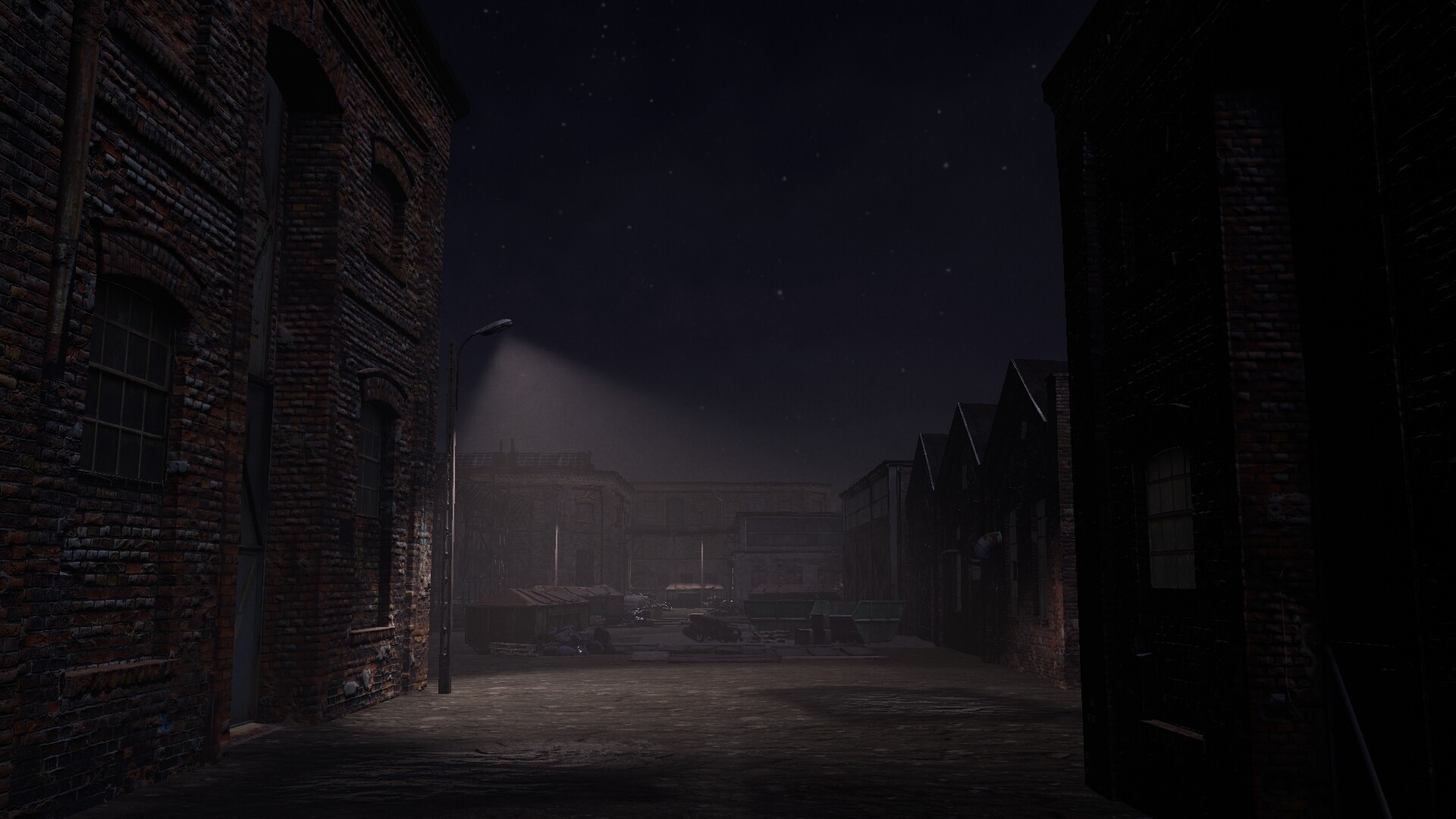
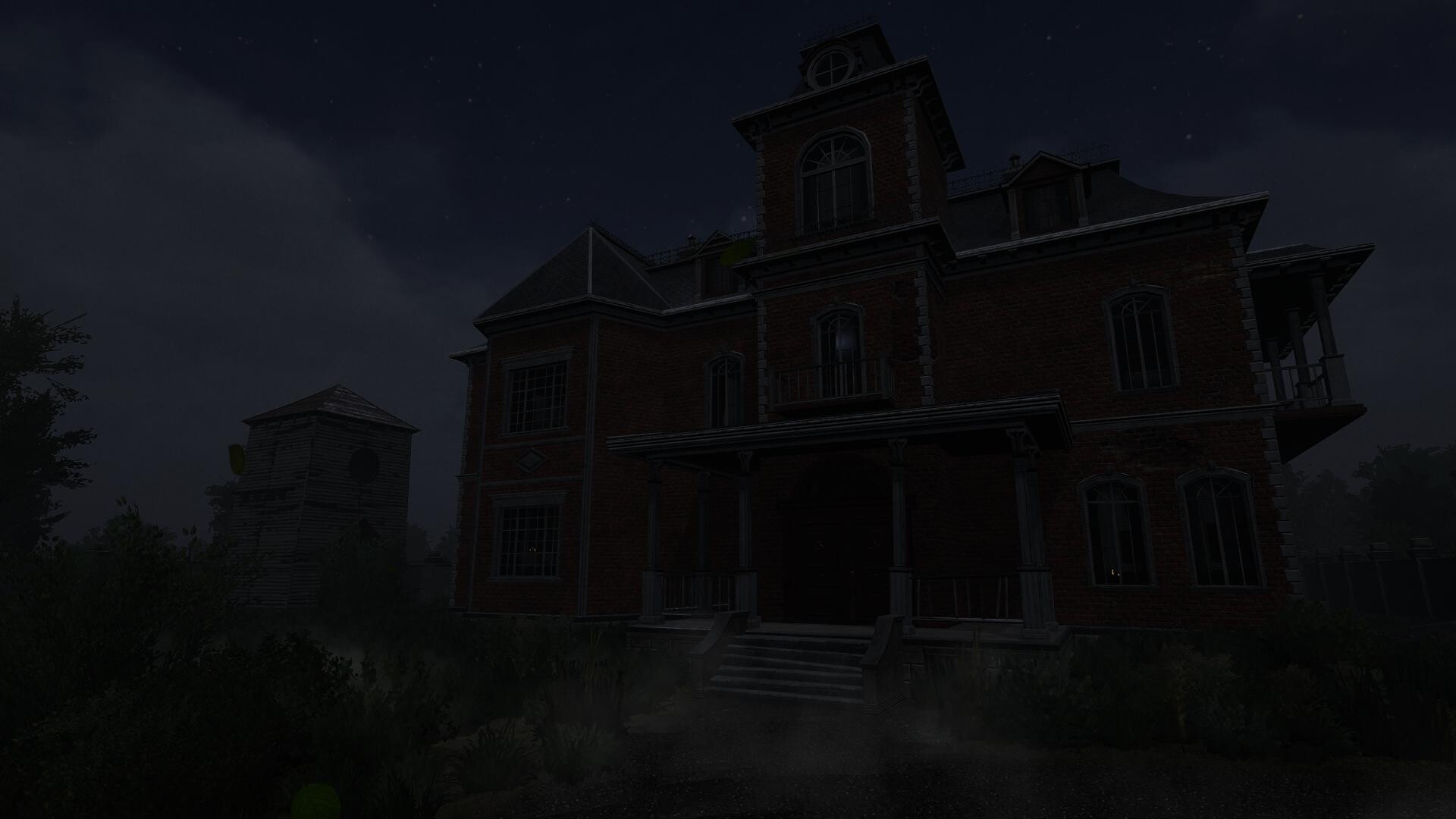
The Steam page frames Trace of the Villa as a narrative, puzzle-forward investigation inside a remote, deliberately forgotten estate. Official copy describes rooms left as if their occupants vanished mid-routine, locked doors and hidden compartments, and the act of restoring power as a gameplay beat that brings secured systems back online. Progress appears to hinge on reading manifests, decrypting fragments found in safes, and following financial and identity clues that expose a larger operation — a design aimed at players who enjoy piecing a timeline together from physical remnants and gated puzzles.
When and where
Trace of the Villa is available on Steam with a listed release date of 28 May, 2026. The Steam page lists developer and publisher as Steadyturtle Co., Ltd., and the store entry includes single-player accessibility options such as subtitle support and control alternatives.
Why the premise matters for mystery-adventure players
The official description emphasises erased identities, falsified records, and an estate that functions like a sealed archive. That matters because the game positions discovery as a forensic exercise: restoring systems, unlocking safes, and tracing financial breadcrumbs are the primary fuels for narrative momentum. Players who prefer narrative puzzle design that hinges on realistic artifacts and documentation — rather than constant jump-scares or action-led sequences — are the natural audience.
How you read clues and progress
According to the Steam description, progression is anchored in investigative tasks: restore power to access systems, open hidden compartments, and decrypt fragments from safes and documents. Each resolved puzzle reveals another layer of the operation — manifesting as a chain of evidence that links arrivals, departures, and falsified identities. That description suggests a gameplay loop focused on exploration, careful observation, and assembling context from converging clues.
Who should wishlist Trace of the Villa?
- Players who enjoy slow-burn suspense built from environmental storytelling and document-based clues.
- Fans of mansion mysteries where the space itself functions as the principal storyteller.
- Those who like investigative pacing over constant combat or timed inputs; the Steam page notes options such as “Playable without Timed Input” and subtitle support.
- PC players who appreciate indie narrative adventures with puzzle elements and atmospheric, investigative tone.
Comparison: where Trace of the Villa sits among related mystery/adventure titles
Below is an editorial comparison focused on tone, pacing, clue style, and exploration to help decide if Trace of the Villa fits your tastes. These comparisons use public descriptions and store metadata for each title.
| Title | Tone | Pacing | Clue style | Exploration |
|---|---|---|---|---|
| Trace of the Villa (Steadyturtle Co., Ltd.) | Atmospheric, investigative, procedural; focused on erased identities and concealed operations. | Methodical, puzzle-driven — restoring systems and uncovering layers of evidence. | Document fragments, manifests, encrypted records and safes (per the official description). | Interior-focused mansion exploration with gated areas revealed by solving puzzles and restoring systems. |
| Amnesia: The Dark Descent | Survival horror with immersive dread and a chilling atmosphere. | Relentless tension and slow build toward high-intensity sequences. | Environmental clues and notes that support immersion and dread. | First-person exploration through interconnected spaces designed to sustain atmosphere. |
| SOMA | Sci-fi horror that prompts existential questions; oppressive and introspective. | Measured pacing with narrative beats and survival tension. | Story elements uncovered through systems, terminals and contextual artifacts. | Exploration of confined, atmospheric environments with a blend of environmental storytelling and system interactions. |
| Layers of Fear (2016) | Psychological horror centered on a Victorian mansion and the protagonist’s unraveling. | Atmospheric, often disorienting pacing that emphasises psychological beats. | Symbolic clues and changing environments that feed narrative ambiguity. | Room-to-room exploration in a mansion where environments shift to advance story and mood. |
| The Room | Mysterious, puzzle-centric, intimate in scale. | Focused, puzzle-by-puzzle progression rather than open exploration. | Mechanical puzzles and objects; clues are embedded in puzzle mechanics and artefacts. | Single-location, tactile puzzle exploration rather than broad environmental traversal. |
| Rusty Lake Hotel | Dark, eerie puzzle-adventure with surreal, point-and-click presentation. | Compact chapters with puzzle-focused pacing. | Puzzle sequences and item-based clues that resolve short, self-contained mysteries. | Room-based, puzzle-driven exploration with a focus on narrative vignettes. |
Player scenarios — which players will feel at home
If you liked methodical, document-led investigations
Trace of the Villa’s emphasis on manifests, encrypted fragments and financial trails should appeal if you enjoy assembling a case from papers, logs and secured systems rather than from combat encounters.
If you prefer puzzle boxes and short chapters
Players who loved The Room or Rusty Lake Hotel for their tight, self-contained puzzles might find Trace of the Villa more expansive and narrative-layered — it leans toward a larger mystery that unfolds across the estate rather than isolated puzzle rooms.
If you came for horror atmosphere and psychological unease
Fans of Amnesia, SOMA and Layers of Fear will find familiar atmospheric ambitions, but Trace of the Villa places stronger emphasis on investigative puzzle design and the forensic unearthing of a concealed operation rather than purely psychological disorientation or survival mechanics.
YouTube discovery
If you want to see trailers or gameplay footage, search YouTube for Trace of the Villa (use this discovery path): Steam page
Leave a Reply