
Trace of the Villa — a slow-burn mansion mystery for clue-driven players
Trace of the Villa is a single-player, story-first mystery set in a deliberately erased, decaying mansion where Jin follows leads that might reconnect him to a missing sister. The Steam release (Steadyturtle Co., Ltd.) arrived on 28 May, 2026 and centers on environmental reading, locked-room puzzles, and layered clue chains rather than action spectacle.

Who — who should consider wishlisting this on Steam?
This is aimed at players who prefer atmospheric mystery adventure and narrative puzzle design: those who enjoy slow, methodical investigation; environmental storytelling where rooms themselves hold the plot; and puzzle systems that reward chaining observations together. If you like reading into staged personal effects, logs and encrypted fragments rather than combat or timed reflex tests, Trace of the Villa is targeted at you.
What — what the game is (official facts)
Trace of the Villa is listed on Steam as an Action / Adventure / Indie title developed and published by Steadyturtle Co., Ltd. The official short description: “Jin has spent years searching for his missing sister, pursuing leads that took him to a remote, decaying mansion where he recovered manifests and hints that indicate his sister may still be alive, somewhere at the end of the trail he is about to follow.” The store page and description emphasize restoring power, unlocking hidden compartments, and assembling fragments of encrypted documents and suspicious transfer records to reveal a larger operation concealed within the estate.
| Title | Trace of the Villa |
|---|---|
| Steam AppID | 3483660 |
| Developer / Publisher | Steadyturtle Co., Ltd. |
| Release date | 28 May, 2026 |
| Genres | Action, Adventure, Indie |
| Key categories | Single-player; Color Alternatives; Custom Volume Controls; Playable without Timed Input; Subtitle Options; Family Sharing |
When/Where — availability and Steam context
Trace of the Villa released on 28 May, 2026 and is available on Steam for PC. Visit the Steam store page to wishlist, read the full description, and view media or system requirements.

Why — why the mansion setting and locked-room thinking matter here
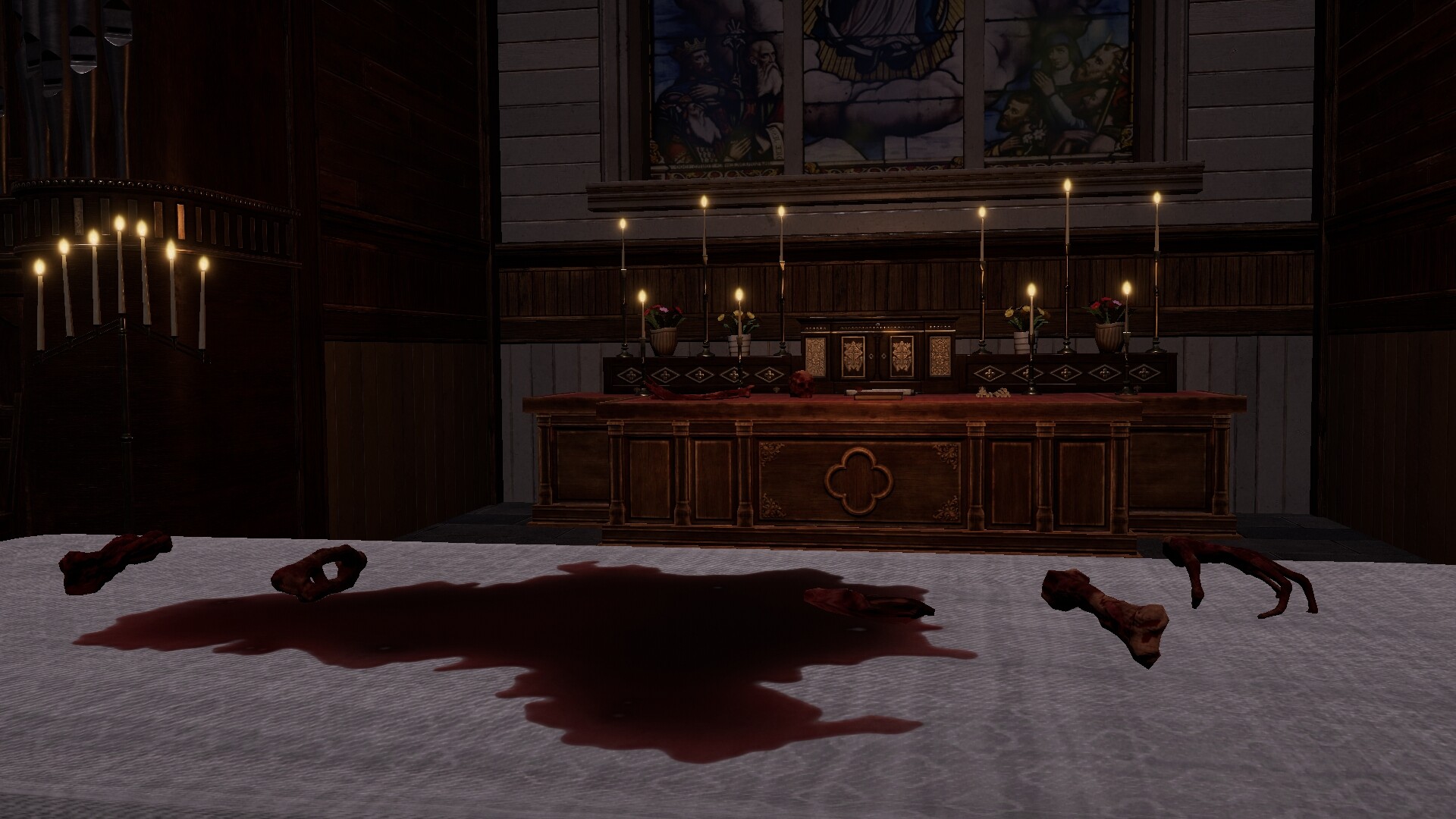
The mansion premise enforces a constrained, readable space where everything is potentially evidence. According to the official description, rooms feel “erased” rather than merely abandoned: furniture, personal items, locked doors and missing names create a specific puzzle tone. That environment pushes players toward a particular investigative rhythm — examine, cross-reference, restore systems, and follow chained clues — which is central to mystery-driven experiences that prize inference over action.
How — how progression, clues and puzzles are presented (from the official store text)
The game places Jin in a mansion cut off from the grid. When he restores power, secured systems come back online, hidden compartments reveal themselves, and safes produce fragments of encrypted documents and suspicious transfer records. Progress is therefore tied to reading environmental details, reactivating estate infrastructure, and assembling pieces of evidence into a coherent timeline. Locked doors and hastily secured secrets create pockets of locked-room thinking — puzzles that require observation, return visits, and making connections between items and documents.
Player scenarios — which type of player will enjoy this most
- Environmental readers: You like tracing story from furniture, notes and system logs rather than cutscenes. The mansion’s staged rooms reward careful inspection.
- Clue-chain solvers: You enjoy puzzles that unlock other puzzles — restoring power to reveal new interactions and safe contents that lead to further deductions.
- Slow-burn narrativists: You prefer gradual reveals and atmospheric tension over fast action or multiplayer chaos; the game is single-player and playable without timed input.
- Players sensitive to accessibility: Steam categories note subtitle options, color alternatives, and custom volume controls, which can matter for focused, text-heavy investigation.
How Trace of the Villa compares to other puzzle/mansion-style games
| Title | Core puzzle focus | Atmosphere / story tone | Player fit |
|---|---|---|---|
| The Room | Single-object, mechanical puzzle boxes and tactile puzzle solutions. | Claustrophobic, tactile mystery focused on a single location and artifact. | Players who love intricate mechanical puzzles and linear, object-centric solving. |
| The Room Two | Expanded object puzzles with a cryptic, layered narrative across settings. | Slow-burn, uncanny tone with emphasis on discovery through manipulation. | Those who appreciated The Room and want more variety and atmospheric progression. |
| Escape Simulator | Highly interactive escape-room environments with physics and community rooms. | Playful, puzzle-studio vibe; emphasis on item interaction and creative solutions. | Players who enjoy physical interaction, co-op play, and user-generated rooms. |
Compared with these titles, Trace of the Villa tilts more toward environmental storytelling and investigative chains tied to estate systems and documents. If your preference is for room-scale object puzzles (The Room) or highly interactive, physics-driven escape rooms (Escape Simulator), note that Trace of the Villa places stronger weight on narrative evidence, restored systems and financial/identity clues described in the official store text.
YouTube discovery
To find trailers or gameplay videos, search YouTube using the publisher/title keywords. A general search link: Trace of the Villa trailer & gameplay on YouTube. (Use this search to locate official or gameplay videos; this link is provided as a discovery path only.)
Steam store link
View Trace of the Villa on Steam
Disclaimer: Referenced titles and trademarks belong to their respective owners. Comparisons and descriptions here are editorial observations based on official store descriptions and public information.
Leave a Reply