
Trace of the Villa — a slow-burn, inspection-heavy mansion mystery
Trace of the Villa (Steadyturtle Co., Ltd.) places you in the shoes of Jin, a lone investigator whose years-long search for a missing sister brings him to a decaying, cut-off mansion where the house itself hides answers. Released on 28 May, 2026 for PC via Steam, the game leans on object logic, chained clues, and environmental reading to push a narrative puzzle investigation forward.

Quick facts
| Title | Trace of the Villa |
|---|---|
| Developer / Publisher | Steadyturtle Co., Ltd. |
| Release date | 28 May, 2026 |
| Platform / Store | PC — Steam |
| Genres | Action, Adventure, Indie |
| Key categories | Single-player; Color Alternatives; Custom Volume Controls; Playable without Timed Input; Subtitle Options; Family Sharing |
| Official short premise | Jin searches a remote, decaying mansion where manifests and hints indicate his sister may still be alive. |
Who should wishlist Trace of the Villa?
- Players who prefer methodical, inspection-first experiences where solving one object puzzle opens a chain to the next.
- Fans of atmospheric mystery adventure and psychological investigation who enjoy reading environments for narrative cues rather than combat-driven progression.
- Puzzle solvers who value object logic — deducing how items, switches, and power systems interlock to reveal hidden compartments and encrypted fragments.
- Anyone seeking a story-focused single-player experience with accessibility options like subtitles, color alternatives, and controls that avoid timed inputs.
What the game is — atmosphere and puzzle DNA
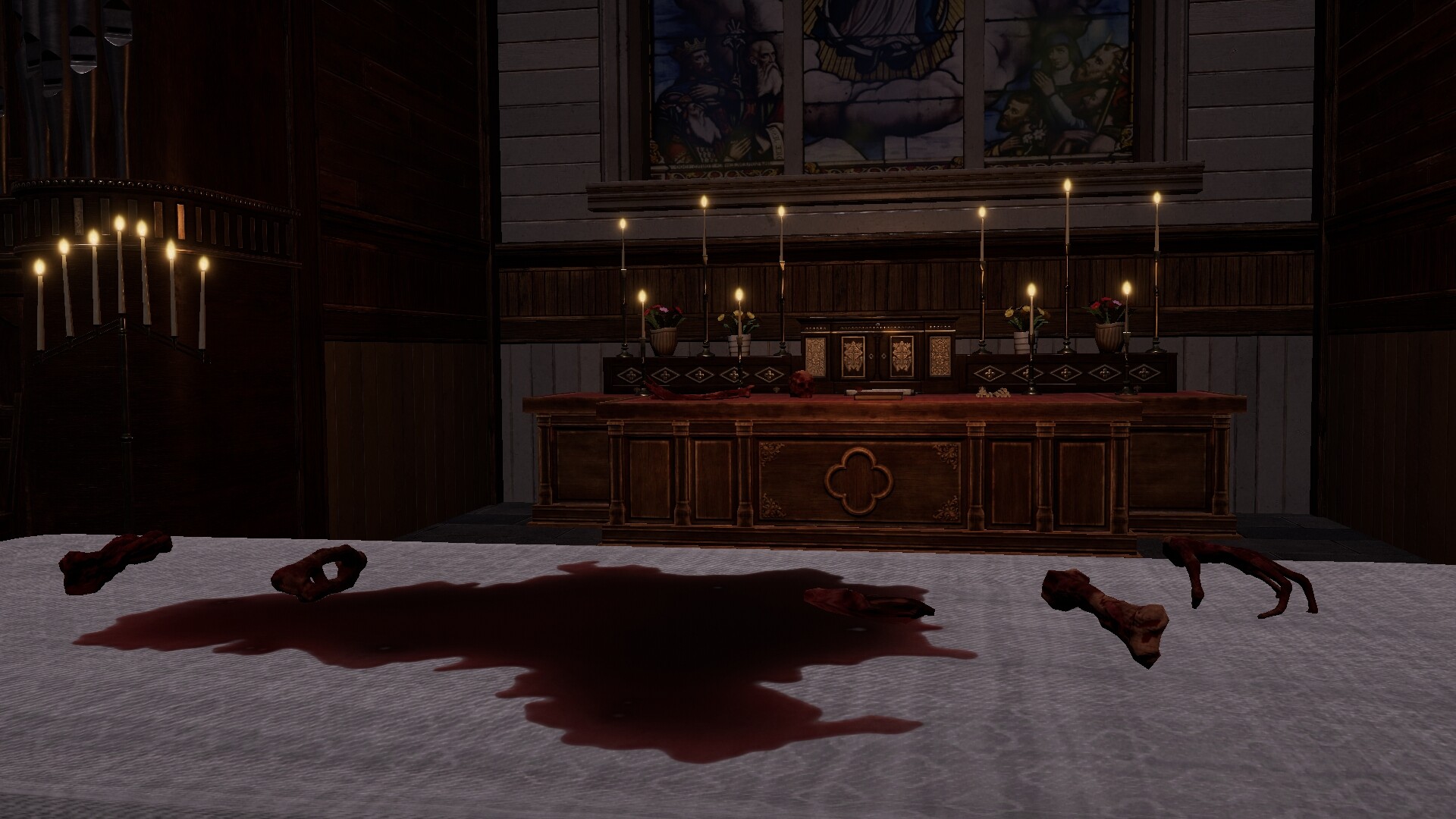
The Steam description frames the mansion as less “abandoned” than “erased”: furnished rooms frozen mid-routine, locked doors with hastily secured secrets, and personal belongings with deliberate omissions of identity. When Jin restores power, the estate’s secured systems come back online, hidden compartments unlock, and safes yield fragments of encrypted documents and suspicious transfer records. That setup promises a play loop grounded in environmental storytelling and chained discovery: restore a subsystem, inspect the aftermath, connect artifacts and records to trace movements and motives.
When and where — Steam context
Trace of the Villa launched on Steam 28 May, 2026. The store page lists Steadyturtle Co., Ltd. as both developer and publisher and tags the game as Action / Adventure / Indie. Check the Steam store for the official page and storefront assets.
How you progress — object logic, clue chains, and environmental reading
Based on the official store text, progression explicitly couples mechanical restoration and forensic inspection: restore power or systems → observe what hardware and documents reveal → unlock a compartment or decrypt a fragment → follow the financial or identity trail to the next area. That chain rewards a mixed skillset: careful visual scanning, note-taking or memory for small detail, and piecing together indirect evidence (manifests, transfer records, falsified identities). Puzzles appear to be less about reflexes and more about deduction and methodical experimentation — classic locked-room thinking applied across rooms that feel intentionally arranged to hide institutional traces rather than household clutter.

Player scenarios — how it plays in practice
Scenario A — The methodical detective
You prefer to sit with a single room until every object has been turned over. You’ll value Trace of the Villa’s clues-as-chain design: a recovered manifest or system log creates a direct lead to the next locked door. This is for players who like to reconstruct timelines from scattered records and use deduction to infer missing identities.
Scenario B — The environmental reader
Instead of meta-puzzles that point at themselves, you enjoy when the scene itself tells a story. If you’re drawn to rooms that feel staged to communicate gaps—absence, erased photographs, or inconsistent inventory—Trace of the Villa’s house-as-cluebook approach should satisfy you.
Scenario C — The puzzle box lover who wants narrative stakes
If you like mechanical puzzles that unlock more than a prize—unlocking narrative revelations—this marries object logic with emotionally motivated discovery. The gameplay loop of restoring power and watching the mansion reveal what it has been hiding ties each solved problem to a story beat, making inspection feel consequential.
How Trace of the Villa compares to other mystery/puzzle games
Below is an editorial comparison focused on genre, atmosphere, puzzle focus, exploration style, and pacing — meant to help readers decide which experience fits their tastes.
| Title | Genre / Tone | Puzzle focus | Exploration style | Pacing / Player fit |
|---|---|---|---|---|
| Trace of the Villa | Action / Adventure / Indie — atmospheric mansion mystery | Object logic + chained clues; power systems, safes, encrypted documents | Single-player, narrative-led house exploration; inspect rooms for forensic detail | Slow-burn; for players who like methodical inspection and environmental storytelling |
| The Room | Adventure / Indie — focused puzzle-box atmosphere | Mechanical puzzle boxes and tactile object manipulation | Focused scene-by-scene puzzle rooms rather than open house exploration | Compact, tactile puzzle experience for players who enjoy focused object puzzles |
| The Room Two | Adventure / Indie — similar to The Room with expanded locations | Complex mechanical puzzles, layered boxes and devices | Linear, scene-based progression through distinct puzzle environments | For players who enjoy escalating mechanical complexity and atmosphere |
| Escape Simulator | Adventure / Casual / Indie / Simulation — interactive escape rooms | Highly interactive props, physics, and community-made rooms | Room-to-room escape scenarios; multiplayer and solo options | Best for players who like interactive manipulation, co-op puzzles, and variety |
When to pick it up — suitability checklist
- Choose this if you value narrative puzzle progression (clue chains and forensic documents) over fast-paced action.
- Skip or delay if you prefer multiplayer escape room chaos, physics-heavy interactions, or strictly boxed mechanical puzzles without a larger institutional mystery.
- Wishlist if you want a PC, Steam single-player mystery with accessibility options and an emphasis on environmental reading.
Steam link and where to see more
Official Steam page: Trace of the Villa on Steam
YouTube discovery
Search for trailers or gameplay on YouTube (use this discovery path — may include official trailers or user uploads): Trace of the Villa trailer & gameplay search.
Final notes and disclaimer
Trace of the Villa presents a mansion mystery built around inspection-heavy play, object logic, and chained clues revealed through systems restoration and document forensics. If you enjoy reading environments
Leave a Reply