
Trace of the Villa — an inspection-heavy mansion mystery for locked-room thinkers
Trace of the Villa drops players into a slow-burning, story-rich atmospheric mystery where Jin follows fragmented manifests and cryptic evidence through a decaying, off-grid mansion to learn whether his missing sister might still be alive. Released on 28 May, 2026 by Steadyturtle Co., Ltd., the game foregrounds object logic, environmental puzzles, and long clue chains over twitch action.

What Trace of the Villa is
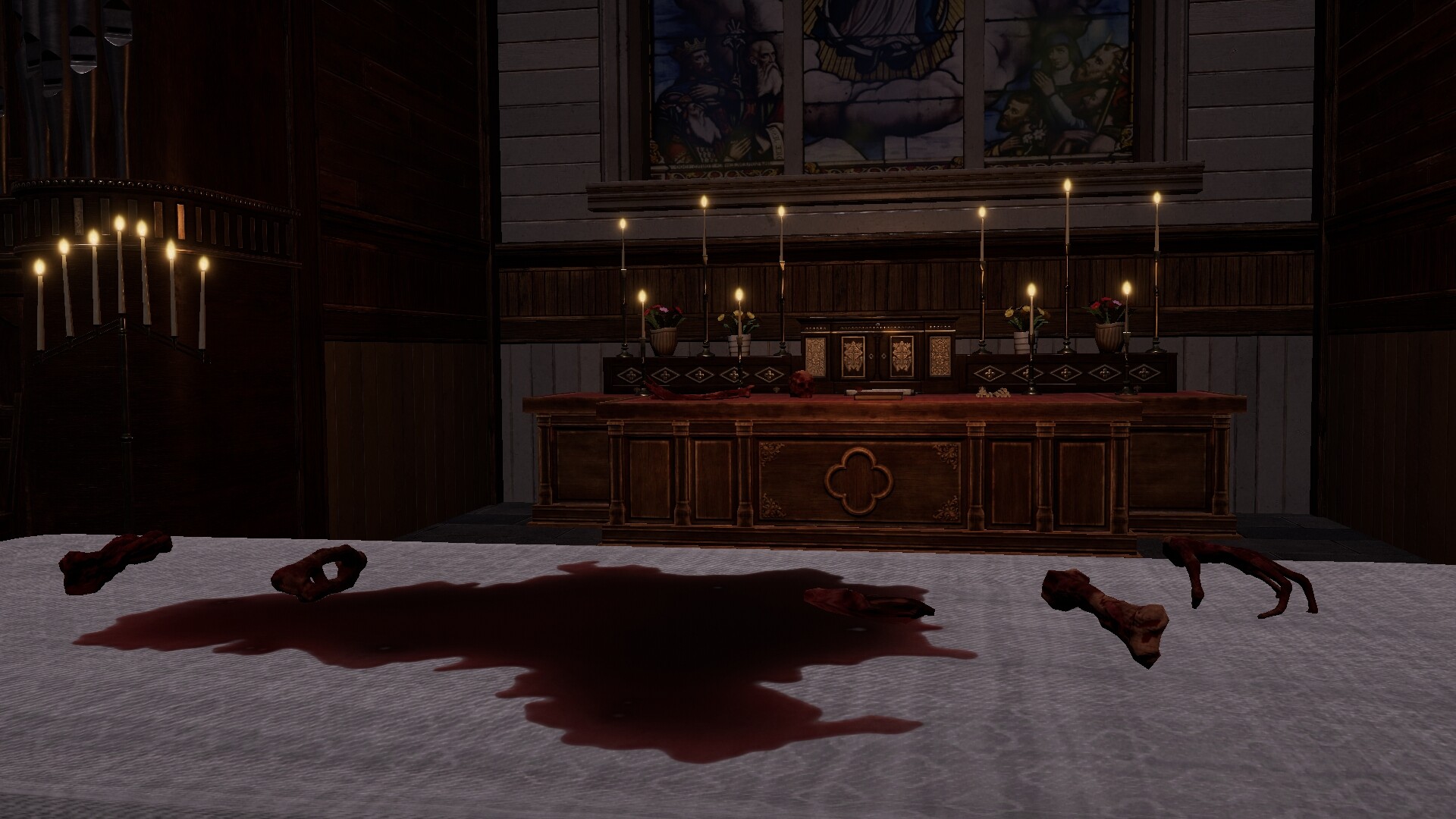
Trace of the Villa is an Action / Adventure / Indie title on Steam that reads like an escape-room investigation translated into a narrative adventure. The official premise places you in the role of Jin, who uncovers manifests, encrypted fragments, safes and secured systems inside a deliberately forgotten mansion; restoring power and opening locked compartments gradually reveals a layered operation rather than a simple domestic mystery. The experience emphasizes careful inspection, environmental storytelling, and piecing together clue chains rather than timed reflexes.
Who this is for
- Players who prefer inspection-heavy gameplay—those who look at bookshelves, receipts, wiring and labels as primary puzzle ingredients.
- Fans of locked-room thinking: people who enjoy building multi-step solutions from object logic and environmental context.
- Story-first mystery players who accept a slow-burn pace in exchange for narrative payoff and atmospheric tension.
- Single-player PC players who want subtitle options, custom volume controls, and accessibility for untimed puzzle play.
When and where — Steam specifics
Trace of the Villa released on Steam on 28 May, 2026. It is published and developed by Steadyturtle Co., Ltd. The Steam page lists it under Action, Adventure and Indie, and it includes categories such as Single-player, Color Alternatives, Custom Volume Controls, Playable without Timed Input, Subtitle Options, and Family Sharing.
Why the theme matters
The mansion-as-system motif turns rooms into nodes of information. When identities are absent from photographs and safe deposits hold fragments of accounting and transfers, the gameplay becomes investigative archaeology: reading the environment as evidence. That theme rewards players who think laterally—connecting receipts to routing numbers, restored systems to unlocked behaviors, and personal items to procedural operations—so the mystery feels like an unraveling of a deliberately erased past.
How you progress — clue chains and object logic
Progress in Trace of the Villa is built on layered problem-solving rather than on single-object fetch quests. Official descriptions mention restoring power, unlocking hidden compartments, and decrypting fragments recovered from safes and secured systems. Expect chains where one discovery recontextualizes a room (a document changes how you interpret a diagram; a system reboot reveals a new access point), and where environmental reading—patterns of wear, missing labels, and deliberate omissions—becomes essential to move forward. Because the Steam page lists “Playable without Timed Input,” puzzles hinge on thought and observation rather than speed.

Quick facts
| Title | Trace of the Villa |
|---|---|
| Developer / Publisher | Steadyturtle Co., Ltd. |
| Release date | 28 May, 2026 |
| Genres | Action, Adventure, Indie |
| Steam categories | Single-player; Color Alternatives; Custom Volume Controls; Playable without Timed Input; Subtitle Options; Family Sharing |
| Steam page | View Trace of the Villa on Steam |
How it compares — editorial discovery
Below is a concise editorial comparison to help decide fit based on puzzle focus, tone, and exploration style rather than review scores or popularity.
| Title | Genre / Release | Puzzle focus | Exploration style | Story tone & pacing | Player fit |
|---|---|---|---|---|---|
| Trace of the Villa | Action / Adventure / Indie — 28 May, 2026 | Object logic + environmental puzzles; chained discoveries, safes, encrypted fragments (official description) | Investigative mansion; restoring systems reveals new content | Slow-burn, psychological investigation; methodical pacing | Inspection-heavy mystery players who like clue chains and reading space as evidence |
| The Room (2014) | Adventure / Indie — 28 Jul, 2014 | Tactile, single-object puzzle boxes and safes (cast-iron safe central to premise) | Focused, contained scenes (room/attic) with layered mechanical puzzles | Atmospheric, puzzle-first with tight, self-contained pacing | Players who prefer handcrafted object puzzles and tight, isolated challenges |
| The Room Two (2016) | Adventure / Indie — 5 Jul, 2016 | Continues object-box puzzle design in different set pieces (crypt/halls) | Linear scene-to-scene exploration with puzzle vignettes | Atmospheric and puzzler-focused; structured progression | Those who enjoyed the first title and want more mechanical puzzle chaining |
| Escape Simulator (2021) | Adventure / Casual / Indie — 19 Oct, 2021 | Highly interactive rooms; physics, object manipulation, community-made rooms | Room-by-room sandbox interactivity; supports solo or co-op play | Flexible pacing—more playful and emergent than narrative-driven | Players seeking interactive escape-room mechanics and social/puzzle experimentation |
Player scenarios — who should wishlist
- If you enjoy cataloging items, re-examining evidence after uncovering a new document, and building multi-step
YouTube discovery
For trailer and gameplay discovery, use YouTube search rather than relying on unverified embeds: Find Trace of the Villa trailer and gameplay searches on YouTube.
Leave a Reply