
Trace of the Villa: why quiet tension and unresolved questions matter more than cheap shocks
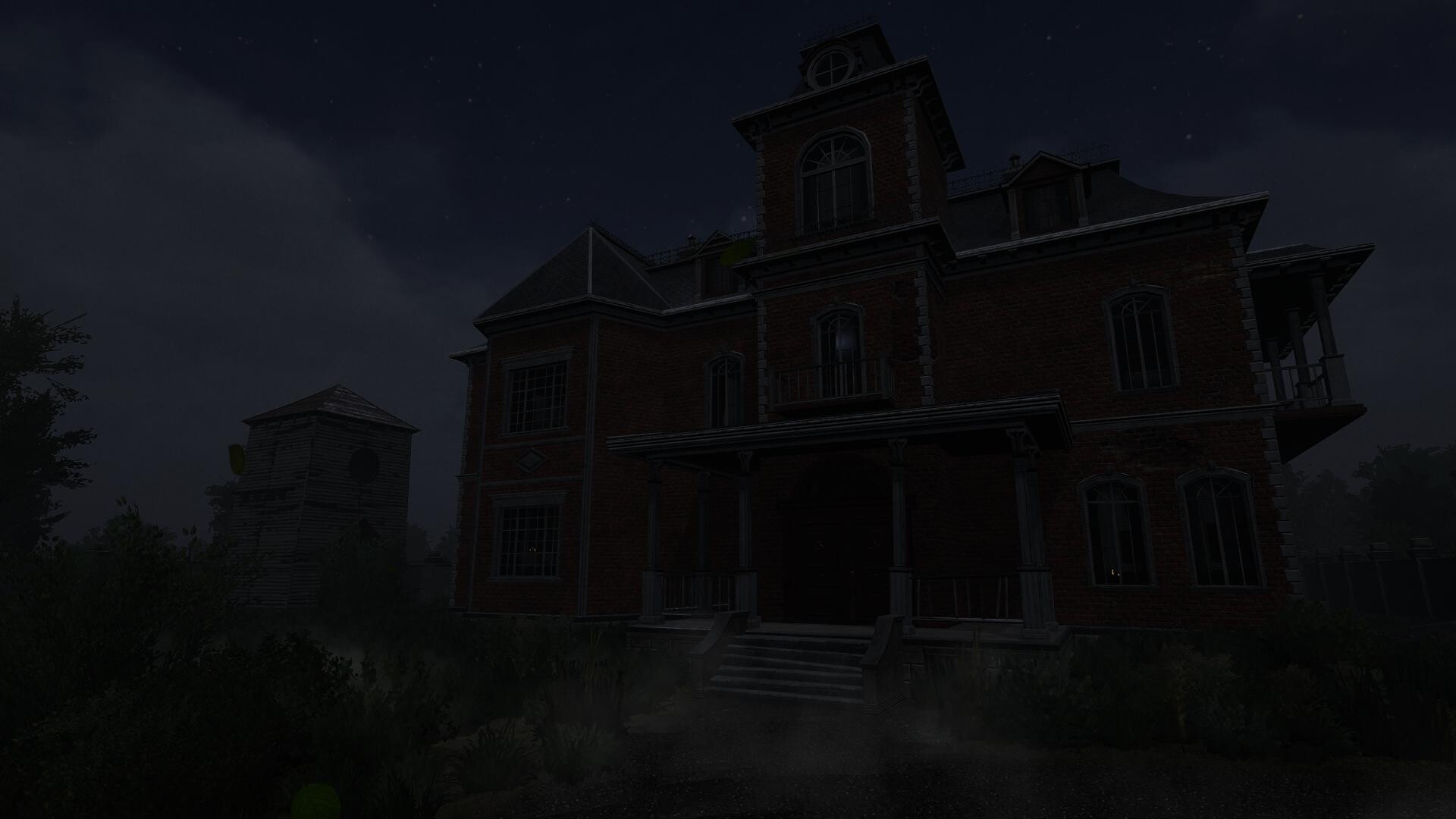
Trace of the Villa frames its horror around absence and paperwork: Jin’s hunt for a missing sister leads him to a deliberately forgotten, decaying mansion where restoring power and solving locked systems slowly peels back a human-sized mystery. This is an atmospheric, mood-first approach—one that relies on slow-burn unease and the mechanics of reading clues rather than headline scares.

Who this is for
If you prefer slow-burn suspense, environmental storytelling, and investigations built around documents, safes, and restored systems, Trace of the Villa will likely fit your tastes. The Steam listing emphasizes a narrative-driven search—Jin following manifests and hints through a mansion whose occupants seem to have been erased—so players who like attentive exploration and puzzle-backed revelations should wishlist it. The game’s categories (Single-player; Color Alternatives; Custom Volume Controls; Playable without Timed Input; Subtitle Options; Family Sharing) also signal accessibility and a preference for readable, deliberate pacing over twitch reflex tests.
What the game is
Trace of the Villa is an action/adventure indie that positions itself as a psychological investigation inside a remote mansion. Official text on Steam describes Jin recovering manifests and encrypted fragments after restoring power to the estate; locked doors, hidden compartments and safes uncover financial trails, falsified identities, and a pattern of arrivals and departures masked from records. The sense of rooms “furnished as if occupants vanished mid-routine” is the game’s mood engine—a mansion mystery told through objects, systems, and unfolding documents rather than explicit exposition.
When and where
Trace of the Villa launched on Steam on 28 May, 2026. It’s published and developed by Steadyturtle Co., Ltd. and appears on the Steam Store as a single-player Action / Adventure / Indie title for PC. If you want to follow it on Steam, add it to your wishlist or visit the store page directly:
Why the theme matters: restraint as design choice
Many modern horror experiences lean on spectacle—set pieces, monster reveals, or jump-driven marketing hooks. Trace of the Villa’s premise, as stated on its Steam page, invests in uncertainty: missing records, erased identities, and rooms that suggest lives cut short. That absence turns the player’s attention into the game’s primary engine. When you restore power and let the house “begin to reveal what it was hiding,” the feeling of discovery is weighted by the unknown; the tension comes from not knowing what a document will disclose, or whether a corridor leads to a clue or another tidy dead end.
This kind of restraint rewards players who enjoy assembling timelines from fragments and who value mood and implication over explicit horror beats.
How you progress: clues, restoration, and puzzle-driven exploration
The Steam description outlines the core loop: investigate a decaying mansion, restore systems, and solve puzzles that reveal more of the operation that used the property. Gameplay centers on reading recovered manifests, unlocking hidden compartments and safes, and following financial or identity trails that baseline the narrative. The emphasis is on clue-driven exploration and environmental storytelling—mechanics that prioritize thoughtful observation and piecing together context from isolated artifacts rather than fast-paced combat or timed reaction sequences (note the “Playable without Timed Input” category).

Quick facts
| Title | Trace of the Villa |
|---|---|
| Steam AppID | 3483660 |
| Release date | 28 May, 2026 |
| Developer | Steadyturtle Co., Ltd. |
| Publisher | Steadyturtle Co., Ltd. |
| Genres | Action, Adventure, Indie |
| Categories (selected) | Single-player; Color Alternatives; Custom Volume Controls; Playable without Timed Input; Subtitle Options; Family Sharing |
How it compares to nearby mystery and tension-driven games
Below is a compact editorial comparison on lawful criteria—genre, atmosphere, puzzle focus, exploration style, story tone, and pacing—so you can decide if Trace of the Villa fits your play habits.
| Game | Atmosphere | Puzzle / Exploration Focus | Pacing & Story Tone |
|---|---|---|---|
| Trace of the Villa | Decaying mansion, erased identities, slow unease (mood-driven) | Clue-driven: manifests, safes, restored systems; environmental storytelling | Measured, investigative; slow-burn suspense |
| Amnesia: The Dark Descent | Claustrophobic first-person dread and immersion | Exploration with survival elements and atmosphere-based puzzles | Intense, immersion-first; sustained high tension |
| SOMA | Sci‑fi, existential dread beneath the sea | Exploration and narrative puzzles integrated with philosophical questions | Slow to mid pacing with deep thematic focus |
| Layers of Fear (2016) | Shifting Victorian mansion; psychological and surreal | Environmental puzzles that feed a fragmented story | Atmospheric, psychological—heavy on mood and narrative instability |
| Poppy Playtime | Abandoned factory with toy-centric unease | Puzzle-adventure with set-piece encounters and gadgets (e.g., GrabPack) | Faster tempo, episodic scares mixed with puzzle segments |
Player scenarios — who should wishlist this
- Investigation-first players: you enjoy assembling timelines from scattered documents and reading architecture and objects for meaning.
- Mood-focused explorers: you prefer tension created by implication, not constant jolts.
- Accessible, unrushed players: categories such as “Playable without Timed Input” and “Custom Volume Controls” suggest the design supports a less reflex-dependent pace.
- Players who expect some action: the title lists Action among its genres, so there may be sequences
YouTube discovery
For trailer and gameplay discovery, use YouTube search rather than relying on unverified embeds: Find Trace of the Villa trailer and gameplay searches on YouTube.
Leave a Reply