Trace of the Villa: Why Quiet Tension and Uncertainty Matter More Than Shock Claims
Trace of the Villa is a slow-burn, clue-driven mystery set in a decaying mansion where Jin follows traces that might lead to his missing sister. Released on 28 May, 2026 by Steadyturtle Co., Ltd., the game emphasizes environmental storytelling, restored systems, and puzzle-led discovery rather than jump-scare spectacle.

Who this is for
If you favor atmospheric mystery adventure and narrative puzzle design over adrenaline-first horror, Trace of the Villa should be on your radar. It’s aimed at players who prefer reading crime scene details, restoring systems to unlock new evidence, and following a gradual revelation of motive and mechanism rather than relying on shock mechanics.
What the game is
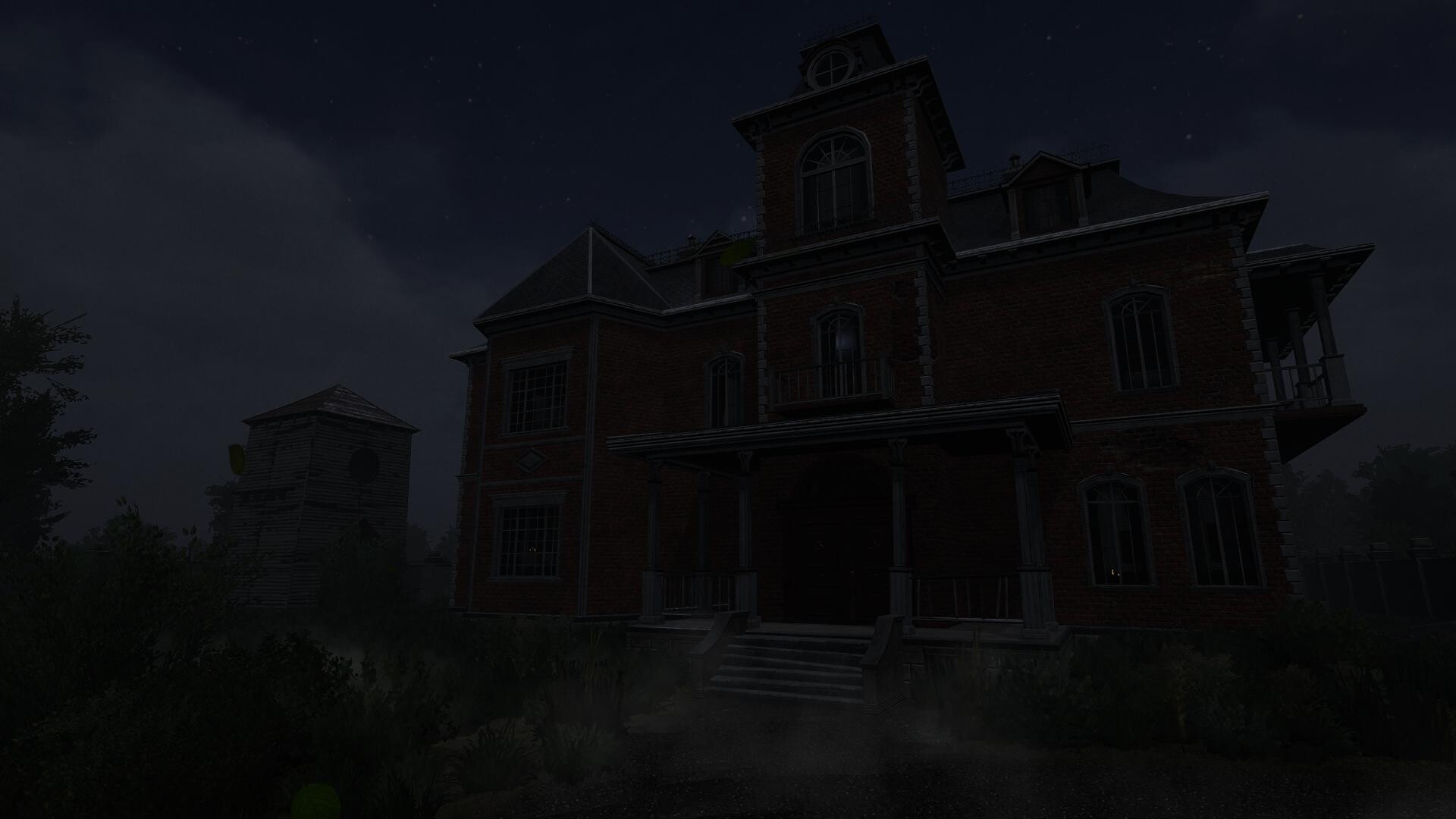
Trace of the Villa casts you as Jin, a protagonist who has spent years searching for his missing sister. A lead brings him to a remote mansion that looks abandoned but shows signs of recent, intentional erasure: furnished rooms, locked doors, missing identities. Restoring power and solving puzzles uncovers encrypted documents, falsified identities, and a carefully concealed operation. The official Steam description frames the experience as part psychological investigation, part environmental exploration.
When and where
Trace of the Villa launched on Steam on 28 May, 2026. It is listed on Steam as an Action / Adventure / Indie title and is distributed by its developer-publisher Steadyturtle Co., Ltd.
Why quiet tension and uncertainty matter here
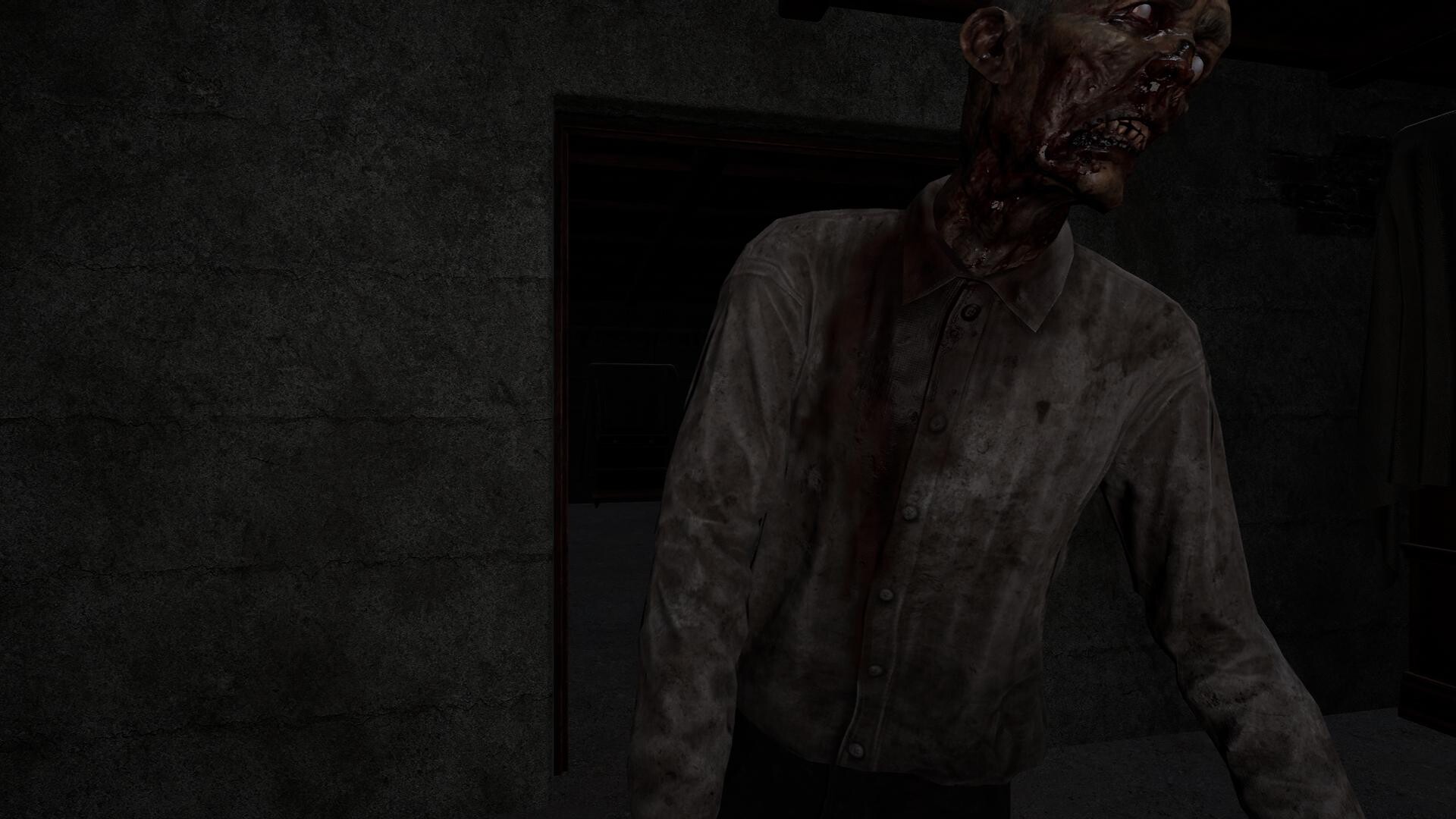
Psychological tension thrives on what isn’t shown. Trace of the Villa’s premise—rooms prepared for lives that have been erased, absence of names or photographs, and fragments of transactional evidence—turns omission into atmosphere. Slowly restoring the mansion’s systems converts the environment into an active narrator: let the house reveal its gaps and the player’s imagination fills them. That kind of uncertainty produces sustained unease, which often lingers longer than a single, startling moment.
How you progress: clues, power, and puzzles
The official description notes repeated beats: restore power, unlock secured systems, open hidden compartments, and solve puzzles that reveal fragments of encrypted documents and suspicious transfer records. Progress is driven by finding manifests and hints in the estate and using restored systems to access next steps. Expect investigative pacing: each solved puzzle peels back another layer of a concealed operation rather than delivering immediate resolution.
Compact facts: Trace of the Villa
| Title | Trace of the Villa |
|---|---|
| Steam AppID | 3483660 |
| Release date | 28 May, 2026 |
| Developer / Publisher | Steadyturtle Co., Ltd. |
| Genres | Action, Adventure, Indie |
| Notable categories | Single-player; Color Alternatives; Custom Volume Controls; Playable without Timed Input; Subtitle Options; Family Sharing |
| Official short premise | “Jin has spent years searching for his missing sister… a remote, decaying mansion where he recovered manifests and hints that indicate his sister may still be alive.” |
| Steam reviews (public) | No user reviews |
How it compares to nearby psychological horror/puzzle titles
Below is an editorial comparison focused on atmosphere, pacing, exploration and puzzle emphasis—not ratings or endorsement.
| Title | Release | Atmosphere & Pacing | Exploration / Puzzle Focus | Player fit |
|---|---|---|---|---|
| Trace of the Villa | 2026 | Slow-burn, investigative; tension built from absence and restored systems | Clue-driven puzzles, restoring power, unlocking secured systems | Players who like narrative puzzle design and environmental storytelling |
| Amnesia: The Dark Descent | 2010 | Immersive, dread-heavy; steady escalation of existential fear | Exploration with survival elements and physics puzzles (immersive approach) | Players seeking immersion and sustained dread |
| SOMA | 2015 | Sci‑fi psychological tone; existential and slow-building tension | Exploration with narrative puzzles and recorded evidence | Players who prefer story-led, philosophical horror |
| Layers of Fear (2016) | 2016 | Unsettling, hall-of-mirrors atmosphere; narrative-driven pacing that shifts | Environmental puzzles tied to shifting level design and storytelling | Players who enjoy surreal, art-focused psychological horror |
| Poppy Playtime | 2021 | Higher-contrast tension with set-piece encounters and puzzle tools | Puzzle-adventure with toy-mechanic tools and encounter moments | Players who want puzzle mechanics with intermittent tense encounters |
Leave a Reply