
Trace of the Villa — an atmospheric mystery adventure for meticulous investigators
Trace of the Villa drops players into a decaying mansion where Jin follows recovered manifests and ambiguous hints that suggest his missing sister may still be alive. The game promises clue-driven exploration, environmental storytelling, and puzzle-led revelations aimed at players who read every scrap of lore.

What Trace of the Villa is — and what it’s not
Trace of the Villa is a Steam-listed single-player Action/Adventure Indie about Jin’s long search for his missing sister. According to the official Steam description, Jin’s leads bring him to a remote, deliberately forgotten mansion where rooms feel “erased,” secured systems can be restored, and safes yield fragments of encrypted documents and suspicious transfer records. The developer and publisher are Steadyturtle Co., Ltd., and the release date is 28 May, 2026.
Who this suits: the meticulous, the lore-reader, the investigator
If you habitually open drawers, copy down manifest entries, and keep a running timeline of clues, Trace of the Villa is built around that approach. The game’s core pleasures—restoring power, unlocking hidden compartments, and following financial and identity trails—reward players who assemble context from fragments rather than from explicit exposition.
When and where
Trace of the Villa released on Steam on 28 May, 2026. It’s presented as a PC Steam title with accessibility options listed on the store page (color alternatives, subtitle options, custom volume controls, and playable without timed input among the categories).
Why the theme matters
The mansion-as-container-of-secrets framework matters because it converts curiosity into mechanics: restoring systems literally makes the past speak, and encrypted documents and suspicious transfers turn narrative beats into investigative objectives. For players who prefer story by association—objects, interrupted routines, missing names—this design foregrounds the slow accumulation of doubt and pattern recognition over cinematic reveals.
How you progress: reading clues and revealing backstory
- Exploration and power restoration: the official description emphasizes restoring power to the estate to bring locked systems and hidden compartments back online.
- Document fragments and manifests: safes and secured areas yield fragments of encrypted documents and manifests that point to falsified identities and financial trails.
- Pattern assembly: as Jin pieces timelines and records together, a pattern of arrivals without records and departures without witnesses emerges—meaning progress hinges on lateral thinking and connecting small details.
Compact facts — Trace of the Villa
| Title | Trace of the Villa |
|---|---|
| Steam App ID | 3483660 |
| Release date | 28 May, 2026 |
| Developer / Publisher | Steadyturtle Co., Ltd. |
| Genres | Action, Adventure, Indie |
| Categories / Accessibility | Single-player; Color Alternatives; Custom Volume Controls; Playable without Timed Input; Subtitle Options; Family Sharing |
Screenshots — what you’ll be inspecting

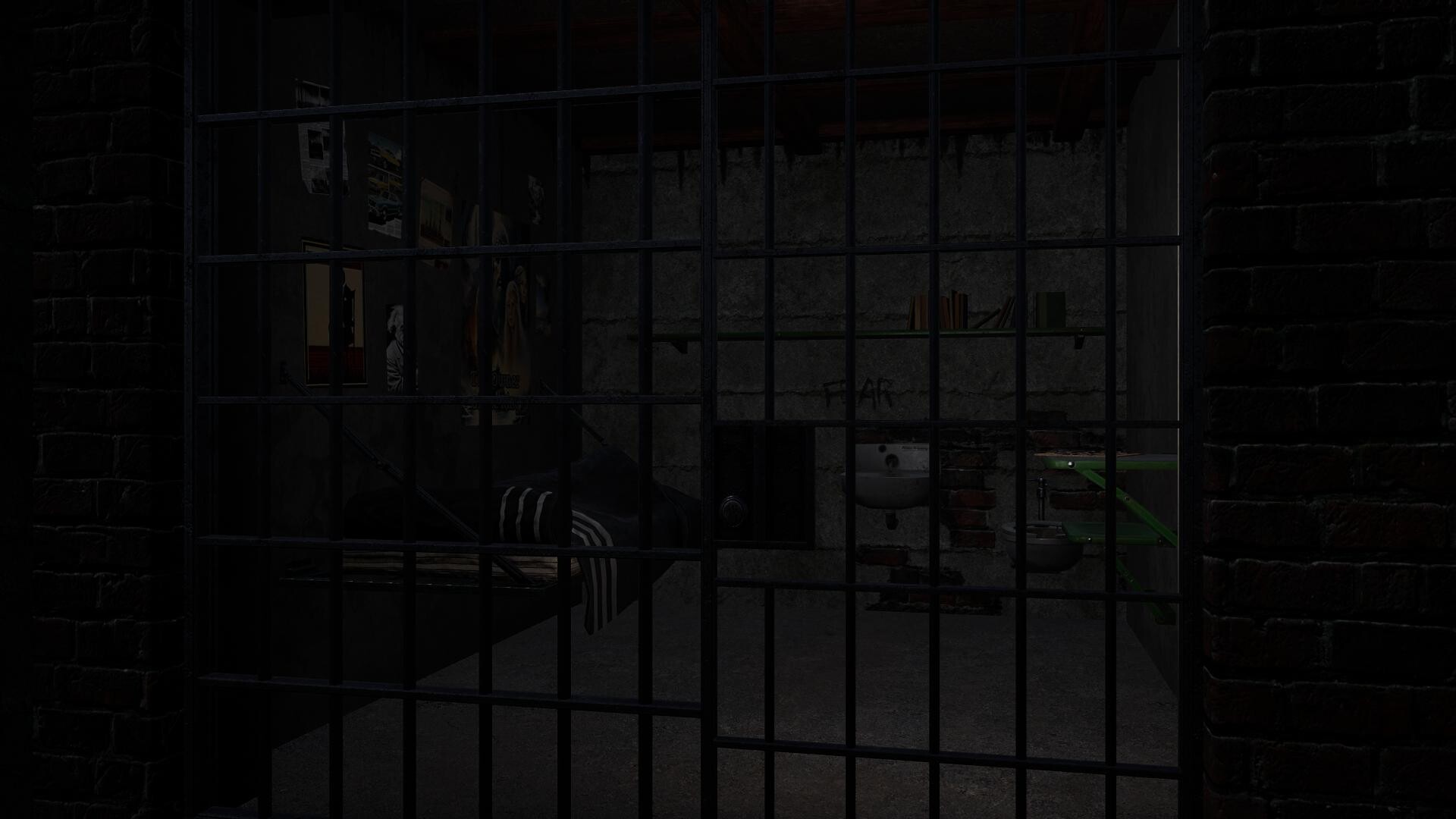
Player scenarios: three ways to approach the mansion
- The Meticulous Archivist: You keep notes and timelines. You’ll value manifests, encrypted fragments, and the way transferred records point at shadow identities. Slow, thorough scanning of rooms will be rewarded.
- The Lore Reader: You want connective tissue—the small objects and documented transactions that imply a larger operation. The game’s environmental storytelling style will let you reconstruct absent identities instead of handing you exposition.
- The Investigation Fan: You treat the mansion as a case file. If you enjoy reconstructing movements, restoring systems to access sealed logs, and following financial irregularities as leads, this pacing suits you.
How it compares — helpful editorial table
| Title | Core genres / tone | Puzzle & exploration focus | Atmosphere & pacing | Player fit |
|---|---|---|---|---|
| Trace of the Villa | Action / Adventure / Indie — mansion mystery, investigative | Clue-driven puzzles, restore systems, documents and manifests | Slow-burn, claustrophobic mansion exploration | Meticulous investigators and lore readers |
| Inscryption | Adventure / Indie / Strategy — dark card-based odyssey | Puzzles embedded in meta-narrative; deck and escape-room elements | Opaque, unsettling, often surreal pacing | Players who like layered secrets tied to gameplay mechanics |
| Outer Wilds | Action / Adventure — open-world cosmic mystery | Exploration-led puzzles across distinct locations; discovery-focused | Curiosity-driven, emergent pacing with environmental clues | Players who prefer wide, systemic mysteries and emergent lore |
| The Forgotten City | Adventure / Indie / RPG — narrative mystery with time mechanics | Dialogue and consequence-driven puzzles with moral stakes | Focused narrative, puzzle loops tied to outcomes | Players who like narrative puzzles and branching revelations |
| The Medium | Adventure — psychological horror with dual-reality exploration | Puzzle solving across two realms; atmosphere-driven revelations | Heavy, introspective, and suspenseful | Players who favor psychological tone and linear revelations |
Deciding checklist: should you wishlist Trace of the Villa?
- Wishlist if you prioritize environmental storytelling, document-hunting, and slow-paced investigative puzzles.
- Be cautious if you prefer fast action, explicit plot beats, or open-world exploration—Trace of the Villa centers on confined, clue-rich spaces.
- Consider the listed accessibility categories (color alternatives, subtitles, custom volume controls, playable without timed input) if those features matter to you.
YouTube discovery
Search for trailer or gameplay clips here (useful for seeing pacing and visual tone): Trace of the Villa trailer & gameplay search on YouTube.
View Trace of the Villa on Steam
Referenced titles and trademarks belong to their respective owners. Comparisons are editorial discovery only, based on genre, atmosphere, puzzle focus, exploration style, story tone, and pacing.
Leave a Reply