
Who should consider Trace of the Villa after enjoying atmospheric mystery adventures
Trace of the Villa (Steadyturtle Co., Ltd., released 28 May, 2026) frames a personal, clue-driven investigation inside a deliberately forgotten mansion. If you prize environmental storytelling, slow-burn suspense, and puzzles that reopen sealed systems rather than twitch reflex tests, this is a title worth evaluating.

Quick facts
| Title | Trace of the Villa |
|---|---|
| Steam AppID | 3483660 |
| Release date | 28 May, 2026 |
| Developer | Steadyturtle Co., Ltd. |
| Publisher | Steadyturtle Co., Ltd. |
| Genres | Action, Adventure, Indie |
| Steam categories | Single-player; Color Alternatives; Custom Volume Controls; Playable without Timed Input; Subtitle Options; Family Sharing |
What the game is
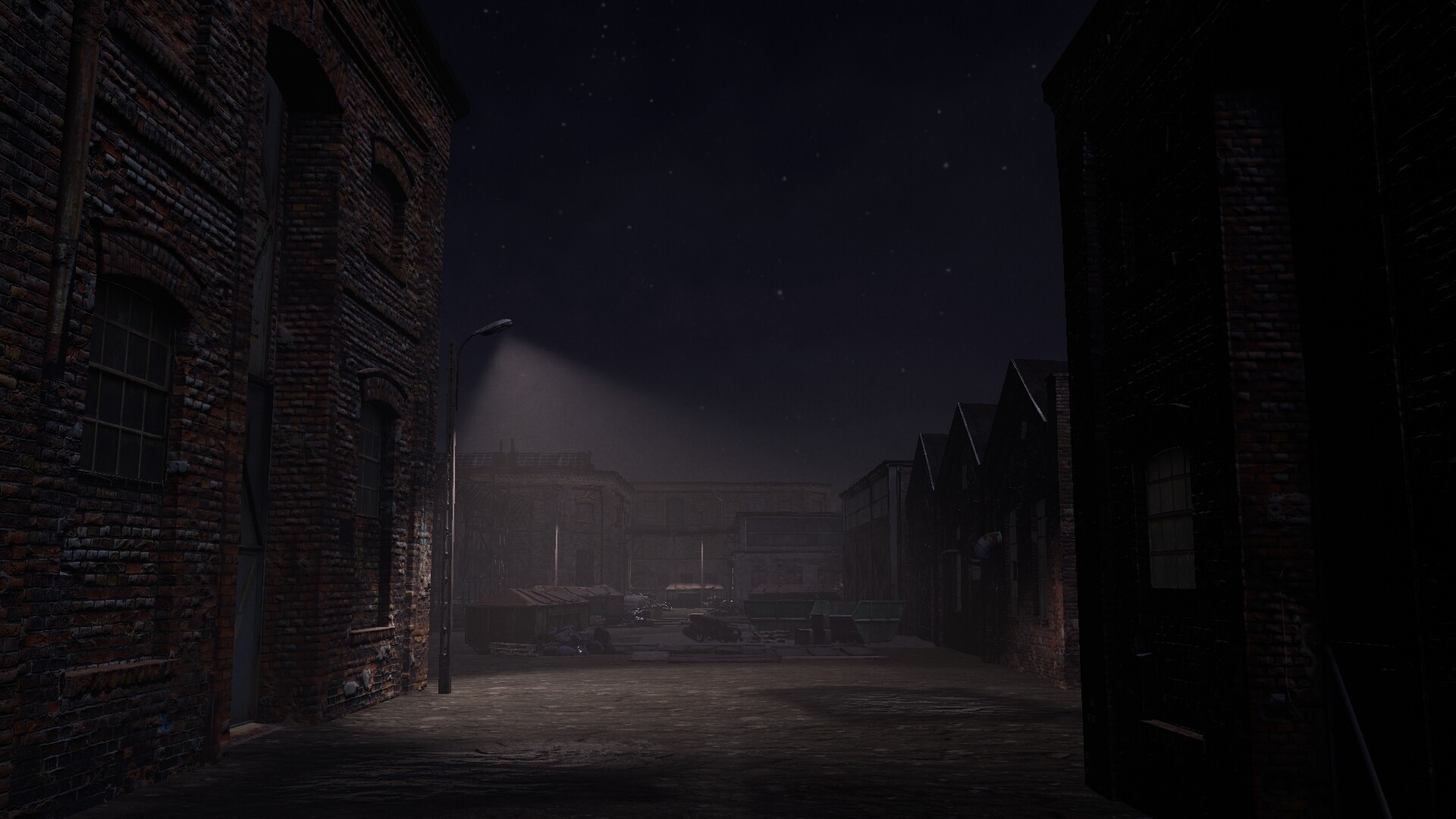
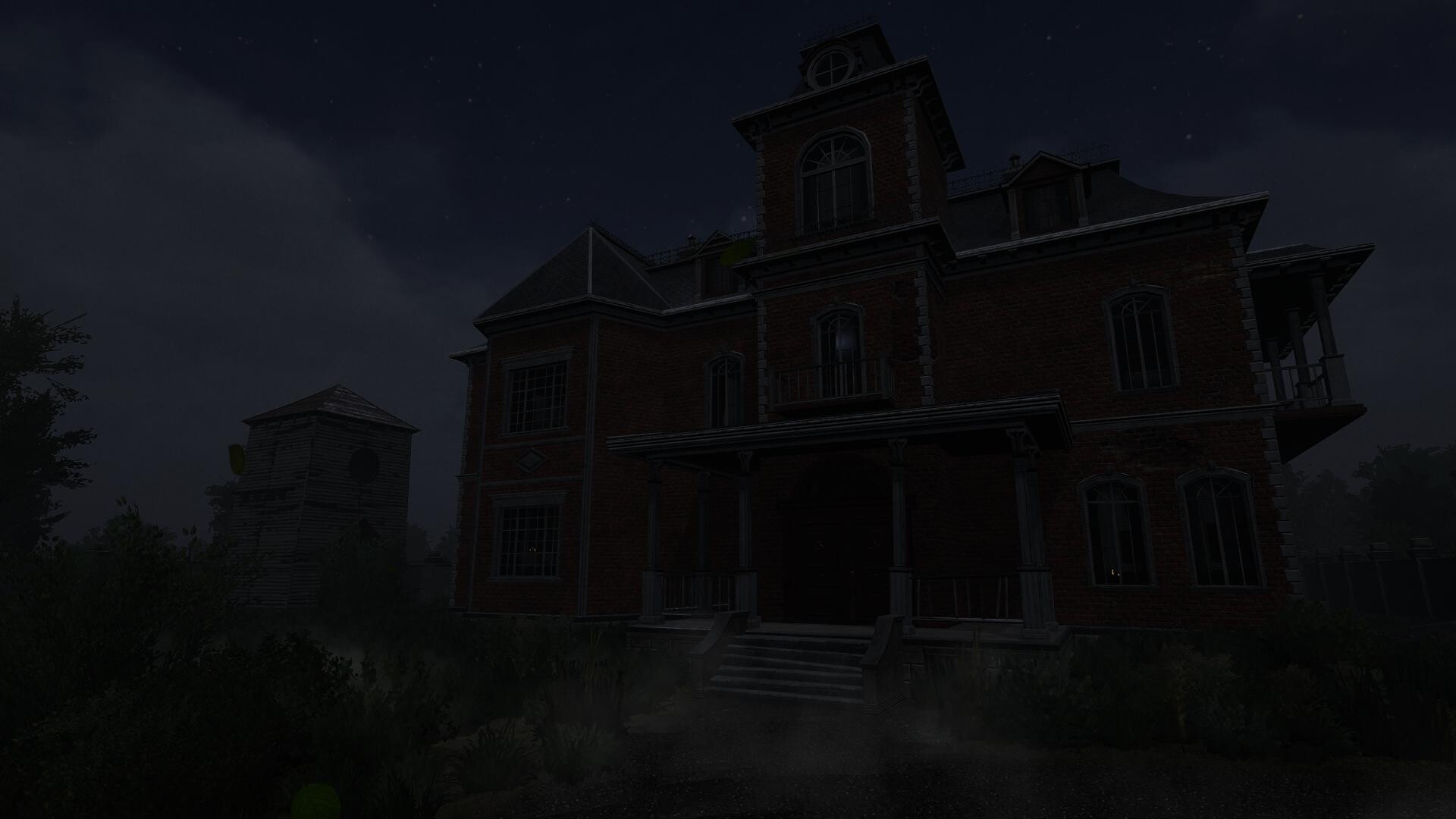
Officially pitched around Jin’s search for a missing sister, Trace of the Villa drops you into a remote, decaying mansion where manifests, encrypted fragments and locked systems slowly reveal a concealed operation. The Steam description highlights environmental clues—rooms left mid-routine, safes, hidden compartments and secured systems that come back online when power is restored—so narrative puzzle design and investigative pacing are central to the core loop rather than fast action sequences.
When and where
Trace of the Villa is available on Steam with a release date of 28 May, 2026. The Steam store page lists the developer and publisher as Steadyturtle Co., Ltd., and the Steam categories indicate single-player features plus accessibility options such as subtitles and custom volume controls.
Why the theme matters
The mansion-as-evidence site framing moves the game toward psychological investigation and environmental storytelling: identities removed, falsified records, and financial trails are narrative devices that encourage reading the space for context. Players who value deduction from objects, restored systems revealing new information, and a tone that leans toward unsettling discovery will find the premise compelling.
How you progress — the clues and pacing
Steam’s official text describes progression as puzzle-driven and investigative: restore power, unlock secured systems, open hidden compartments, and decrypt documents to follow leads. Expect a measured pace where exploration and solving contextual puzzles reveal the next thread; the design emphasizes reading environment and documents over rapid action. The presence of “Playable without Timed Input” suggests puzzles focus on thought rather than reflex.
Who should wishlist Trace of the Villa?
- Players who prefer slow-burn mystery: you enjoy piecing together narrative from artifacts, restored systems and documents rather than jump scares or timed sequences.
- Mansion mystery fans: if atmospheric exploration and room-by-room clues appeal to you, the estate-as-evidence setup is central to the experience.
- Puzzle-first detectives: the game emphasizes unlocking systems, decrypting fragments and solving contextual puzzles (the Steam page lists “Playable without Timed Input”).
- Accessibility-minded players: features like custom volume controls, subtitle options and color alternatives are present on the Steam store page.
How it compares to nearby mystery and puzzle titles
Below is a lawful editorial comparison focused on tone, pacing, clues, exploration style and player fit — not a statement of superiority.
| Game | Tone | Pacing | Clues & Puzzle Focus | Exploration Style | Player fit |
|---|---|---|---|---|---|
| Trace of the Villa | Unsettling, investigative mansion mystery | Measured, clue-led progression | Document fragments, locked systems, hidden compartments | Room-to-room environmental reading; systems restoration | Players who want narrative puzzles and atmospheric investigation |
| Amnesia: The Dark Descent | Horror-focused immersion and dread | Often tense and survival-leaning, suspense spikes | Puzzle elements exist but emphasis on survival and hiding | First-person, immersive exploration with threat mechanics | Players seeking chilling, survival-tinged immersion |
| SOMA | Sci‑fi existential horror | Steady, narrative-driven with philosophical beats | Puzzles interwoven with story; investigation of systems and identity | Atmospheric, confined exploration (underwater facility) | Players who want story-rich, thought-provoking horror |
| Layers of Fear (2016) | Psychological, Victorian-era artistic madness | Variable — moments of escalating surrealism | Environmental puzzles tied to narrative and changing spaces | Shifting mansion that alters as you play | Players who like unreliable environment and storytelling-led puzzles |
| The Room | Intimate, tactile puzzle experience | Focused, puzzle-box pacing (short, dense sessions) | Highly tangible, mechanical puzzles and lockboxes | Confined single-room/object exploration | Players who prefer concentrated puzzle mechanics over broad exploration |
| Rusty Lake Hotel | Dark, surreal puzzle-adventure | Episode-based, quick puzzle loops | Point-and-click puzzles with narrative oddities | Room-centric, stylized exploration | Players who enjoy short, eerie puzzle vignettes |
Player scenarios — which sessions fit Trace of the Villa?
Concrete examples to help you decide:
Steam page
View Trace of the Villa on Steam
YouTube discovery
For trailer and gameplay discovery, use YouTube search rather than relying on unverified embeds: Find Trace of the Villa trailer and gameplay searches on YouTube.
Leave a Reply