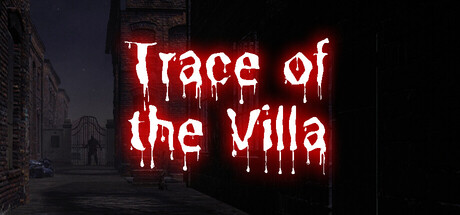
Trace of the Villa — A premise‑first, spoiler‑free guide for story-first players
Trace of the Villa centers on Jin, a determined searcher who follows cold leads to a remote, decaying mansion and recovers manifests and hints that suggest his missing sister may still be alive. This guide gives the narrative context you need to decide whether the game fits your tastes without spoiling the trail Jin is about to follow.

Quick facts
| Title | Trace of the Villa |
|---|---|
| Steam appid | 3483660 |
| Release date | 28 May, 2026 |
| Developer / Publisher | Steadyturtle Co., Ltd. |
| Genres | Action · Adventure · Indie |
| Categories | Single-player, Color Alternatives, Custom Volume Controls, Playable without Timed Input, Subtitle Options, Family Sharing |
| Premise (short) | Jin searches a remote, decaying mansion and recovers manifests and hints that indicate his sister may still be alive. |
Who this is for
Pick this up if you want story-rich indie games that prioritize atmospheric mystery adventure, environmental storytelling, and a clue-driven, investigative rhythm over spectacle. It speaks to players who enjoy slow-burn suspense in an exploration framework — people who favor piecing timelines and dossiers together as much as solving mechanical puzzles or facing occasional action beats.
What the game actually is (premise first)
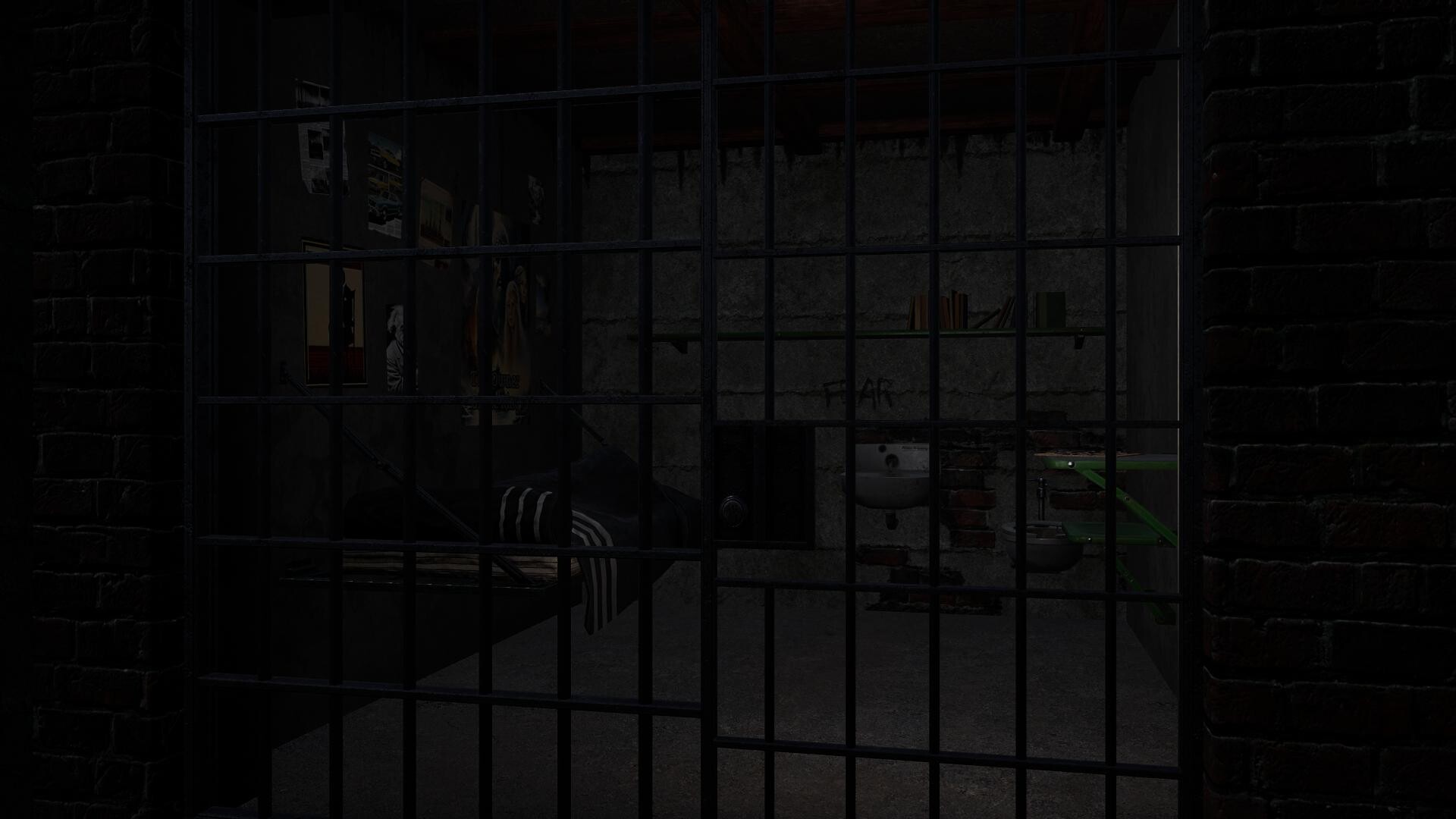
Official materials position Trace of the Villa as a personal investigation: Jin has been searching for his missing sister for years, and a lead takes him to an isolated mansion that seems deliberately forgotten. Inside, the house feels “less abandoned than erased” — furnished rooms with no photographs or names, locked doors and secured systems, and traces of a concealed operation. As Jin restores power, the estate begins to reveal encrypted documents, manifests, suspicious transfer records, and evidence of falsified identities and controlled movements.
When and where
Trace of the Villa released on Steam on 28 May, 2026. It’s listed as a PC/Steam title under Action, Adventure, and Indie and is presented as a single-player experience with accessibility options such as subtitle options and color alternatives.
Why the theme matters
The mansion mystery theme works here because the premise is deliberately intimate: this isn’t a sprawling conspiracy revealed through cutscenes and global stakes, but a piecemeal reconstruction of erased lives. If you value investigation that reads like forensic work — manifests, encrypted fragments, and financial traces that lead nowhere — the tone will likely reward patience and attention to detail.
How you read clues and progress (spoiler‑free)
The official description outlines a clear investigative loop: restore power, make secured systems functional again, and unlock physical and digital compartments. Safes and hidden spaces yield fragments of encrypted documents and suspicious transfer records; solving environmental puzzles and following manifests builds a timeline. The narrative progression is driven by uncovering layers of concealment rather than single-cut revelations — expect piecemeal discoveries that gradually reframe what the mansion was used for.

Player scenarios — who should wishlist (and who might wait)
- Wishlist if: You prioritize narrative puzzle design and environmental storytelling, enjoy slow pacing that rewards note-taking and theory-building, and like mysteries rooted in documents, manifests, and encrypted fragments.
- Consider waiting if: You prefer fast-paced action without investigative pauses, want large open-world exploration rather than a focused estate, or dislike games that withhold explicit answers until late in the timeline reconstruction.
- Mixed interest: Players who like occasional action beats within investigative exploration (the game is listed as Action and Adventure) may find a balanced experience, but your tolerance for slow-burn suspense will shape enjoyment.
How it compares (editorial discovery)
Below is a compact editorial comparison focused on genre, atmosphere, puzzle style, exploration, story tone, and pacing — not a ranking or claim of superiority.
| Title | Genre / Focus | Story tone | Puzzle / Exploration style | Pacing |
|---|---|---|---|---|
| Trace of the Villa | Action · Adventure · Indie — mansion investigation | Intimate, unnerving, document-driven | Environmental puzzles, locked systems, encrypted documents | Slow-burn, investigative |
| Inscryption | Adventure · Indie · Strategy — card-focused mystery | Psychological, meta-horror | Escape-room puzzles blended with card mechanics | Variable; layers of revelation interrupt core loop |
| Outer Wilds | Action · Adventure — open-world cosmic mystery | Curious, melancholic, wonder-driven | Exploration-based environmental puzzles across locations | Measured, emergent discovery across repeat loops |
| The Forgotten City | Adventure · Indie · RPG — narrative puzzle/time-loop | Moral, investigative, dialogue-heavy | Dialogue puzzles, timeline manipulation, investigation | Deliberate, puzzle-and-then-reveal structure |
| The Medium | Adventure — psychological horror, dual-reality | Dark, introspective, supernatural | Puzzle solving across two realms; narrative exploration | Steady with tense set-pieces |
YouTube discovery
Looking for trailers or gameplay videos? Use this YouTube search
Steam page
View Trace of the Villa on Steam
YouTube discovery
For trailer and gameplay discovery, use YouTube search rather than relying on unverified embeds: Find Trace of the Villa trailer and gameplay searches on YouTube.
Leave a Reply