
Trace of the Villa: why quiet dread in an empty mansion matters more than shouty shock claims
Trace of the Villa centers on Jin’s obsessive search for a missing sister, drawing players into a remote, decaying mansion where recovered manifests and locked systems slowly reveal a buried operation. The game trades headline jump scares for slow-burn uncertainty—rooms that feel “erased” rather than simply abandoned, and puzzles that force you to read the silence as a clue.

Who, what, when, where, why, and how
Who it’s for
Players who prefer atmospheric mystery adventure and psychological investigation to twitch reflex horror: those who enjoy reading environmental clues, unpacking a slow narrative, and solving puzzles that unlock narrative fragments rather than chasing constant enemy encounters. If you favor story-rich adventure and slow-burn suspense, this title is aimed at you.
What the game is
Trace of the Villa is an Action / Adventure / Indie title on Steam from Steadyturtle Co., Ltd. It positions Jin in a deliberately forgotten mansion where evidence suggests people arrived and left without records; the house’s preserved routines and missing identities are central to the mystery.
When and where
Trace of the Villa released on Steam on 28 May, 2026. It is available on the Steam store page (see the official Steam CTA below).
Why the theme matters
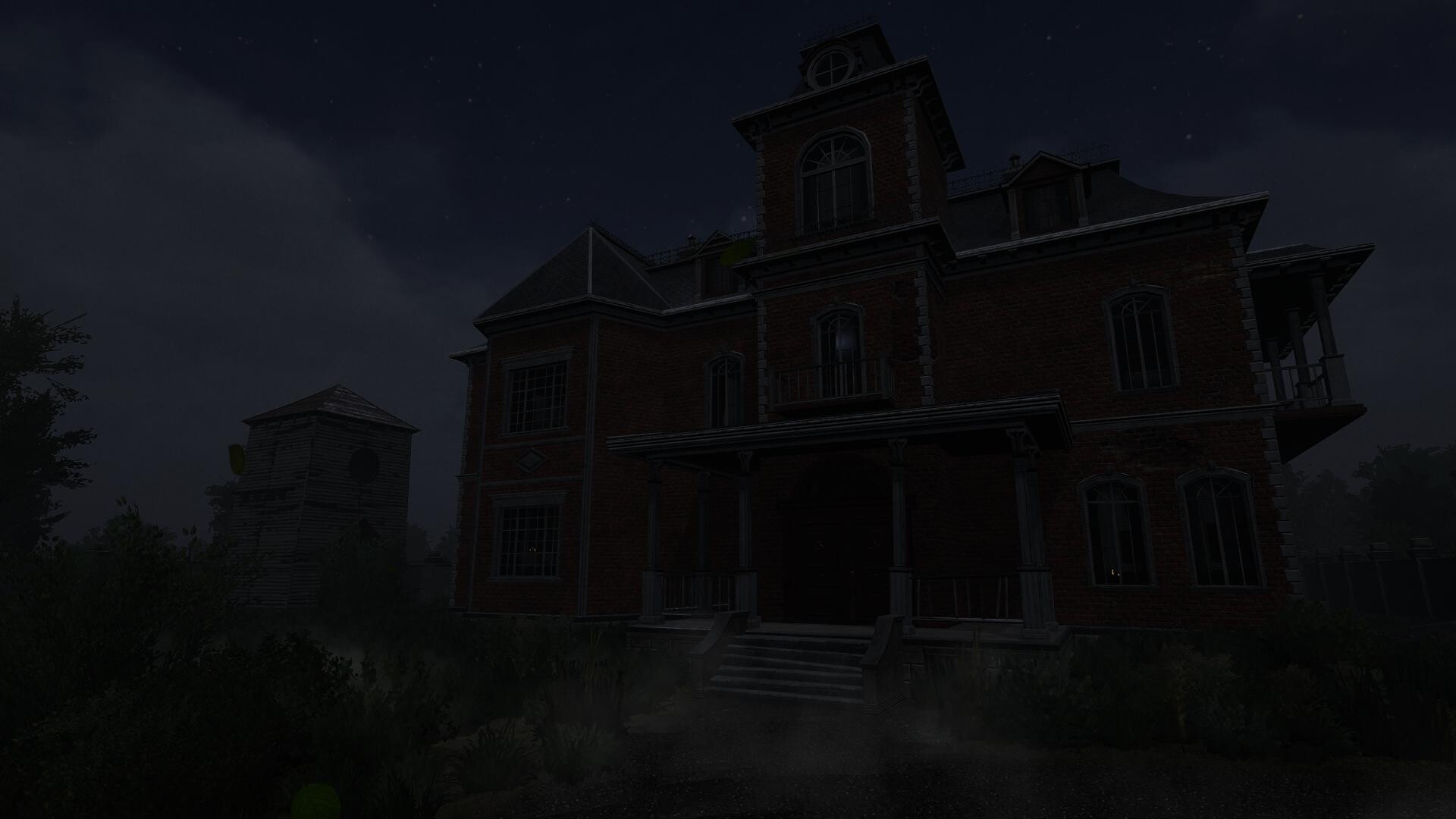
The game’s core mood is quiet dread: furnished rooms that look as if their occupants vanished mid-routine, locked doors that hide “hastily secured secrets,” and the deliberate absence of photographs or names. That lack of human detail turns ordinary objects into narrative prompts—an overturned cup, a powered-down terminal—so players supply context and fear. Psychological horror that leans on uncertainty makes the player an investigator of absence rather than a target of sudden shocks.
How the player reads clues and progresses
According to the official description, Jin recovers manifests and hints that point to his sister possibly still being alive. Gameplay progression revolves around restoring systems and unlocking information: when power is restored, secured systems come back online, hidden compartments unlock, and safes yield encrypted documents and transfer records. Puzzles function as investigative nodes—each solved puzzle reveals another layer of the estate’s falsified identities and masked movements, letting you assemble a timeline rather than handing you exposition.
Visuals from the Steam page

Quick facts
| Title | Trace of the Villa |
|---|---|
| Release date | 28 May, 2026 |
| Developer | Steadyturtle Co., Ltd. |
| Publisher | Steadyturtle Co., Ltd. |
| Steam AppID | 3483660 |
| Genres | Action, Adventure, Indie |
| Categories | Single-player, Color Alternatives, Custom Volume Controls, Playable without Timed Input, Subtitle Options, Family Sharing |
| Short premise | Jin searches for his missing sister in a remote, decaying mansion and recovers manifests and hints suggesting she may still be alive. |
How Trace of the Villa sits next to familiar titles
Below is a focused editorial comparison that highlights tone, pacing, and puzzle/exploration emphasis—useful for deciding fit rather than ranking.
| Game | Release | Atmosphere / Tone | Pacing | Puzzle / Exploration Emphasis |
|---|---|---|---|---|
| Trace of the Villa | 28 May, 2026 | Quiet, erased domestic spaces; identity and absence are central | Slow-burn; information emerges as systems and locks are restored | Clue-driven: manifests, powered systems, locked safes and encrypted documents |
| Amnesia: The Dark Descent | 8 Sep, 2010 | Immersive nightmare; survival-focused psychological horror | Variable, often tense with moments of pacing control | Exploration and environmental storytelling that sustain dread |
| SOMA | 21 Sep, 2015 | Sci‑fi existential dread; paranoia and identity themes | Methodical; narrative and atmosphere drive momentum | Story and exploration over combat; puzzles tie into narrative questions |
| Layers of Fear (2016) | 15 Feb, 2016 | Unsettling, shifting Victorian mansion focused on madness | Deliberately paced, surreal changes alter player expectations | Environmental puzzles and changing architecture as narrative devices |
| Poppy Playtime | 12 Oct, 2021 | Industrial
Steam pageView Trace of the Villa on Steam YouTube discoveryFor trailer and gameplay discovery, use YouTube search rather than relying on unverified embeds: Find Trace of the Villa trailer and gameplay searches on YouTube. Reader decision checklistUse this checklist before deciding whether Trace of the Villa belongs on your Steam wishlist. The game is most relevant if you enjoy reading environmental evidence, following document trails, inspecting rooms for small inconsistencies, and letting a mystery unfold through objects rather than exposition. It is less about instant spectacle and more about the slow pressure of a place that seems to have been deliberately erased. SEO note for discovery-minded playersPlayers searching for atmospheric mystery adventure, clue-driven exploration, mansion mystery game, story-rich indie adventure, psychological investigation game, or narrative puzzle design are likely looking for the same core appeal: a PC game where the setting is not just a backdrop but the main source of evidence. Trace of the Villa fits that search intent because its official Steam premise centers on Jin, his missing sister, a remote mansion, restored systems, hidden compartments, safes, encrypted documents, and a trail of suspicious records. Final player-fit summaryWishlist Trace of the Villa if you want a slow investigation built around official Steam store elements: a 28 May, 2026 release from Steadyturtle Co., Ltd., a single-player PC/Steam mystery structure, official screenshots showing the mansion atmosphere, and a premise that uses the house itself as a puzzle box. The strongest fit is for players who prefer patience, observation, and narrative reconstruction over fast combat or loud horror beats. CommentsMore posts |
Leave a Reply