
Trace of the Villa — an escape-room style mystery built on locked-room thinking and clue chains
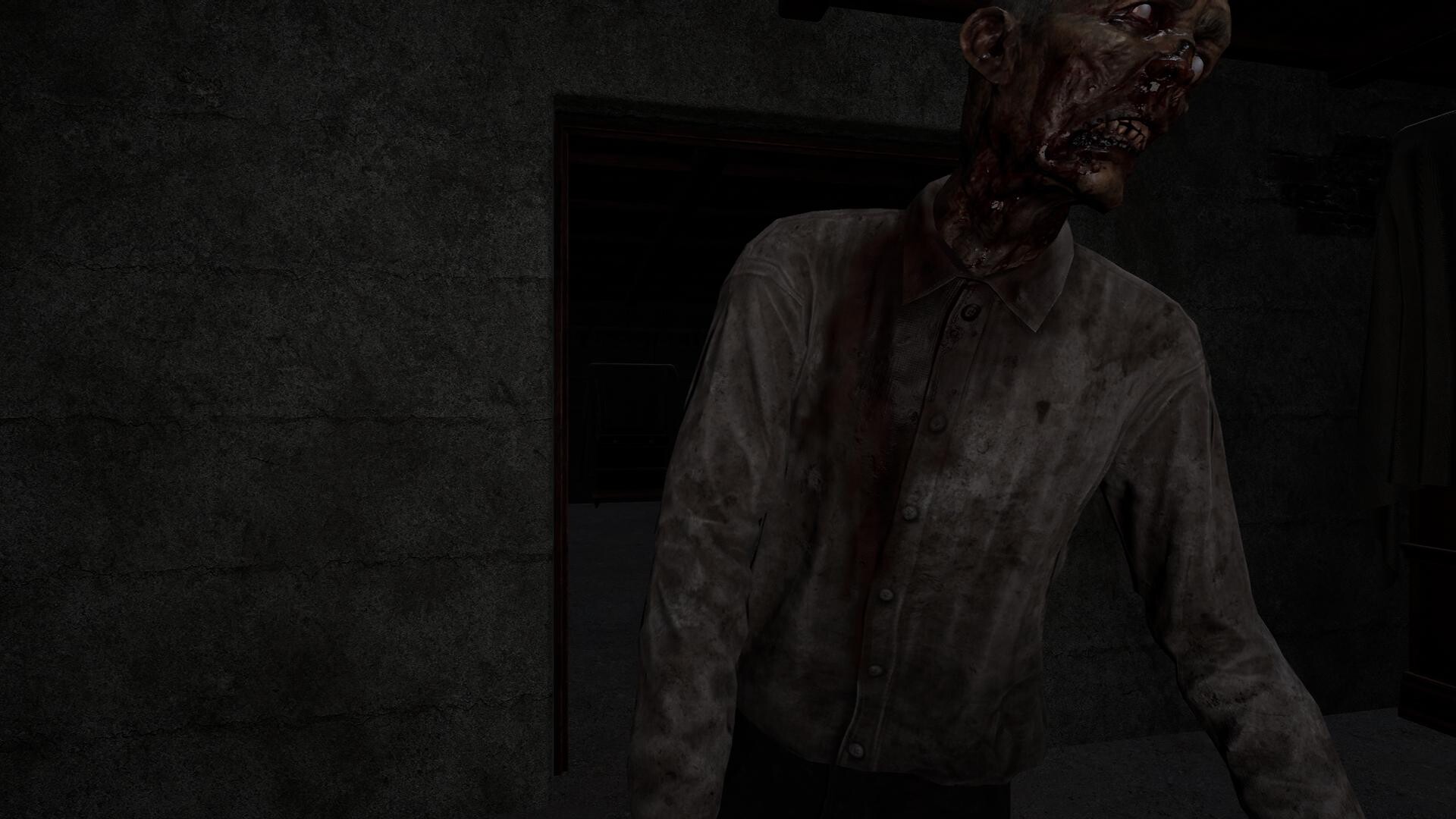
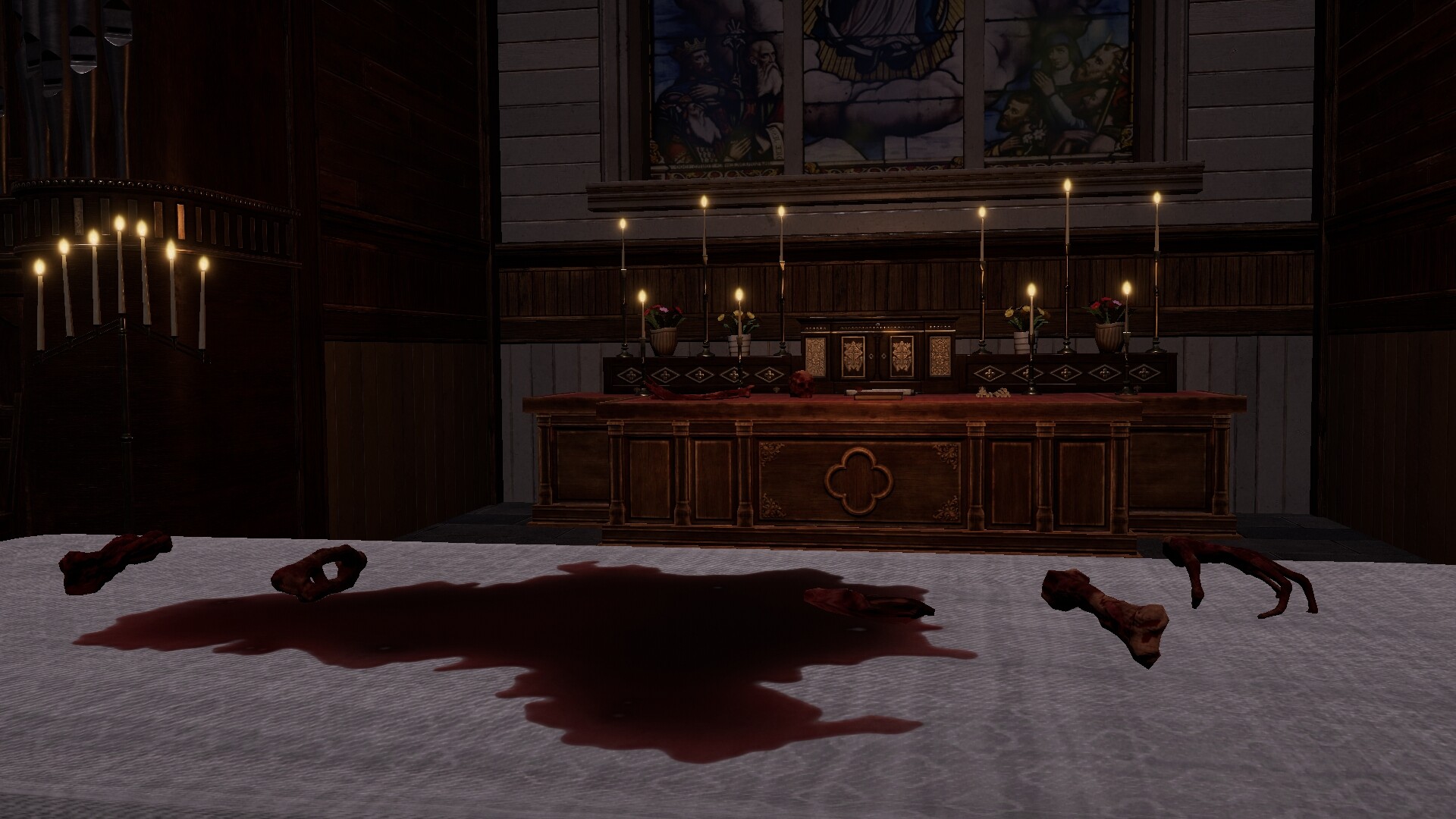
Trace of the Villa places you in a remote, decaying mansion as Jin, a protagonist following leads about a missing sister. It’s a story-rich, atmospheric mystery adventure that leans on environmental reading: restoring power, opening safes, and following fragments of documents to build a chain of evidence.

Quick facts
| Title | Trace of the Villa |
|---|---|
| Release date | 28 May, 2026 |
| Developer | Steadyturtle Co., Ltd. |
| Publisher | Steadyturtle Co., Ltd. |
| Genres | Action, Adventure, Indie |
| Categories | Single-player; Color Alternatives; Custom Volume Controls; Playable without Timed Input; Subtitle Options; Family Sharing |
| Steam link | Trace of the Villa on Steam |
| Steam AppID | 3483660 |
Who this is for
If you prioritize slow-burn suspense and environmental storytelling—players who read rooms and piece together motive from objects—Trace of the Villa is pitched at you. The Steam metadata and official page position this as a single-player narrative investigation with accessibility options like subtitles and no timed-input requirements, so it’s suited to narrative-first players who prefer methodical puzzle solving over twitch reflex play.
What the game actually is
Official Steam copy frames the premise in plain terms: Jin has searched for his missing sister for years; a lead brings him to a property “cut off from the grid and deliberately forgotten.” The mansion’s signs of past occupancy are “unmistakable… and deeply unsettling,” and the gameplay thread the page emphasizes is procedural discovery: restoring estate power, reactivating secured systems, and extracting fragments of evidence from safes and hidden compartments. The listing classifies the game under Action, Adventure, and Indie while highlighting puzzle- and exploration-friendly categories (single-player, subtitle options, playable without timed input).
When and where
Trace of the Villa released on Steam on 28 May, 2026. The Steam store page (appID 3483660) carries the official short description and additional store assets used above.
Why the premise matters—locked-room thinking and clue chains
The official description makes the core mechanic plain: restoring the estate’s power is not cosmetic—“When Jin restores power to the estate, the house begins to reveal what it was hiding.” That phrasing signals gameplay built around systems coming back online and revealing further layers: secured systems, hidden compartments, safes, and fragments of encrypted documents and suspicious transfer records are the connective tissue of the mystery. Mechanically, that design invites locked-room logic—use one discovery to unlock another—and rewards systemic reading of the environment rather than isolated puzzle moments.
How you read the mansion and progress
- Environmental reading: the game foregrounds furnishings, the absence of names or photos, and objects left mid-routine—these are the primary clues you interpret to build a timeline.
- System recovery: restoring power and reactivating estate systems is a progression mechanic; secured systems coming back online unlock new investigative avenues.
- Document and safe work: safes and encrypted documents provide discrete clue packets—fragments that must be chained together across locations to trace identities and transfers.
- Clue chains over inventory puzzles: the Steam page emphasizes manifests, encrypted documents, and transfer records—this suggests puzzle design that rewards pattern recognition and deduction rather than purely mechanical lock combinations alone.
Comparison: where Trace of the Villa sits beside nearby mystery and puzzle titles
Below is a concise editorial comparison using available store descriptions and tags. This is meant to help readers decide which experience aligns with their taste.
| Title | Primary genre / tags | Atmosphere & puzzle focus | Exploration style & pacing | Who might prefer it |
|---|---|---|---|---|
| Trace of the Villa | Action, Adventure, Indie; Single-player, Subtitles, Playable without Timed Input | Atmospheric mansion mystery; clue chains, documents, safes, and system restoration (official page emphasis) | Slow-burn investigative exploration driven by reactivating systems and reading environments | Players who like narrative puzzle design and environmental storytelling tied to systems |
| The Room | Adventure, Indie (store tags) | Locked-box, tactile puzzle safes and mechanisms (official thematic description) | Focused, contained room puzzles with handcrafted mechanical puzzles | Players who enjoy mechanical, tactile puzzle boxes and a concentrated puzzle loop |
| The Room Two | Adventure, Indie | Similar locked-mechanism puzzle tone extended to multiple locales | Stage-based progression through unique environments and set-piece puzzles | Fans of detailed mechanical puzzles and atmospheric, stage-like progression |
| Escape Simulator | Adventure, Casual, Indie; single & co-op, high interactivity, level editor | Highly interactive escape rooms; object manipulation and physics-driven puzzles | Modular rooms and community-made content produce a varied, often faster pace | Players who want toy-like interaction and replayable community rooms, solo or co-op |
| Hi‑Fi RUSH | Action (store tags) | Beat-driven action focused on rhythm and combat rather than environmental mystery | Fast-paced, arcade-like progression | Players who prefer action and rhythm-synced combat, not atmospheric clue-driven mystery |
Player scenarios — would you wishlist it?
- Scenario A — You savor environmental storytelling and methodical detection: Wishlist. The mansion’s erased identities, documents, and safes are core hooks described on the Steam page.
- Scenario B — You want high-action, reflex-driven gameplay: Consider Hi‑Fi RUSH or other action-focused titles instead; Trace of the Villa emphasizes investigation and systems over pure speed.
- Scenario C — You like mechanical puzzle boxes (The Room series): Trace of the Villa shares the locked-room DNA but places more weight on documents, systems, and narrative chains than purely tactile puzzle boxes.
- Scenario D — You enjoy cooperative, highly-interactive sandbox puzzles (Escape Simulator): Trace of the Villa is single-player and narrative-directed rather than community-driven room construction.
YouTube discovery
If you want trailer or gameplay footage, search YouTube using this discovery path (the Steam data recommends YouTube search/discovery):
YouTube discovery
For trailer and gameplay discovery, use YouTube search rather than relying on unverified embeds: Find Trace of the Villa trailer and gameplay searches on YouTube.
Leave a Reply