Trace of the Villa — who should consider this atmospheric mansion mystery
Trace of the Villa places you in a slow-burning, clue-driven exploration of a remote, decaying mansion as Jin chases leads about his missing sister. The game foregrounds environmental evidence and forensic curiosity: restore power, interrogate secured systems, and follow fragments of manifests and transfer records toward an unsettling revelation.

What Trace of the Villa is
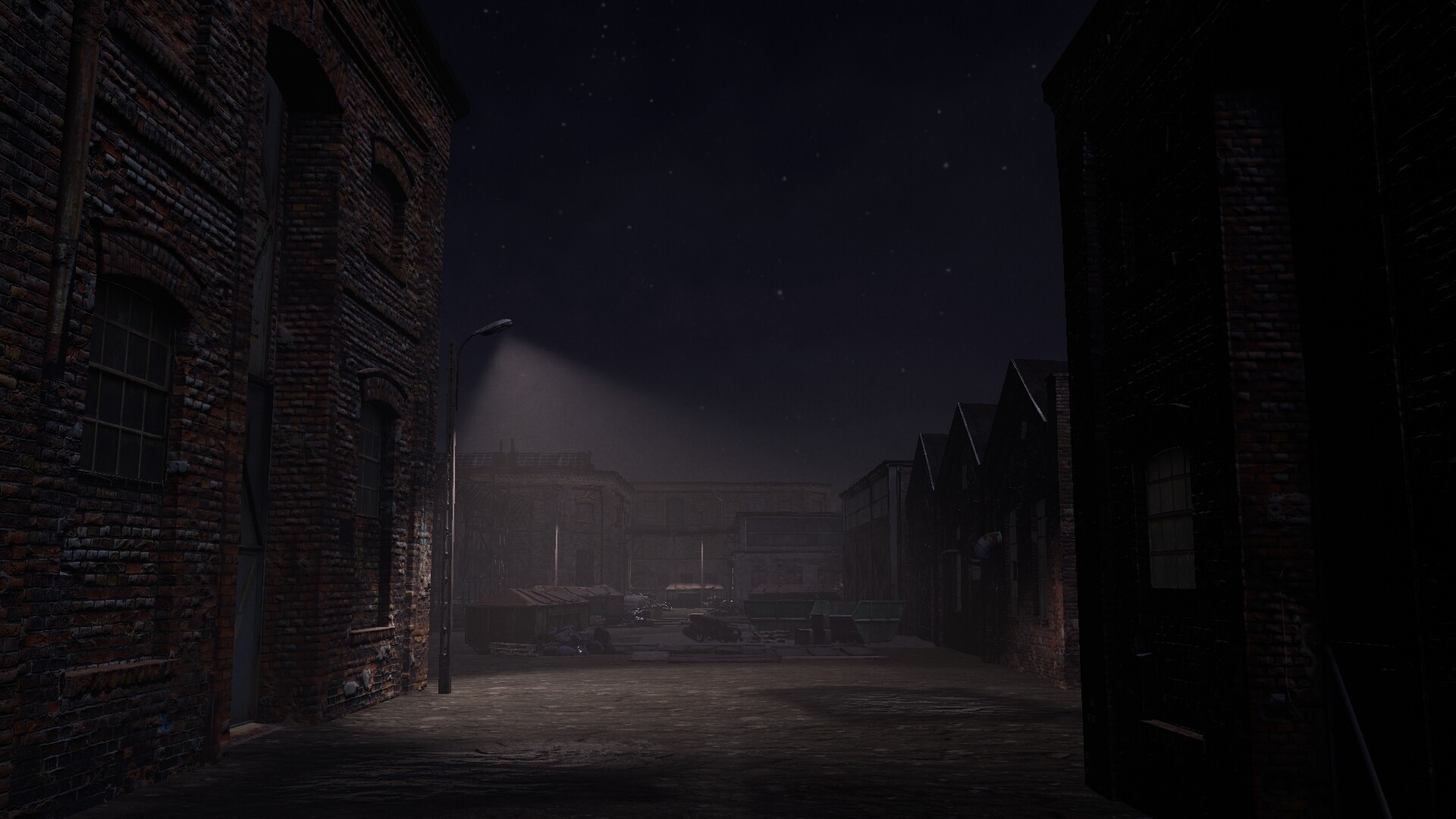
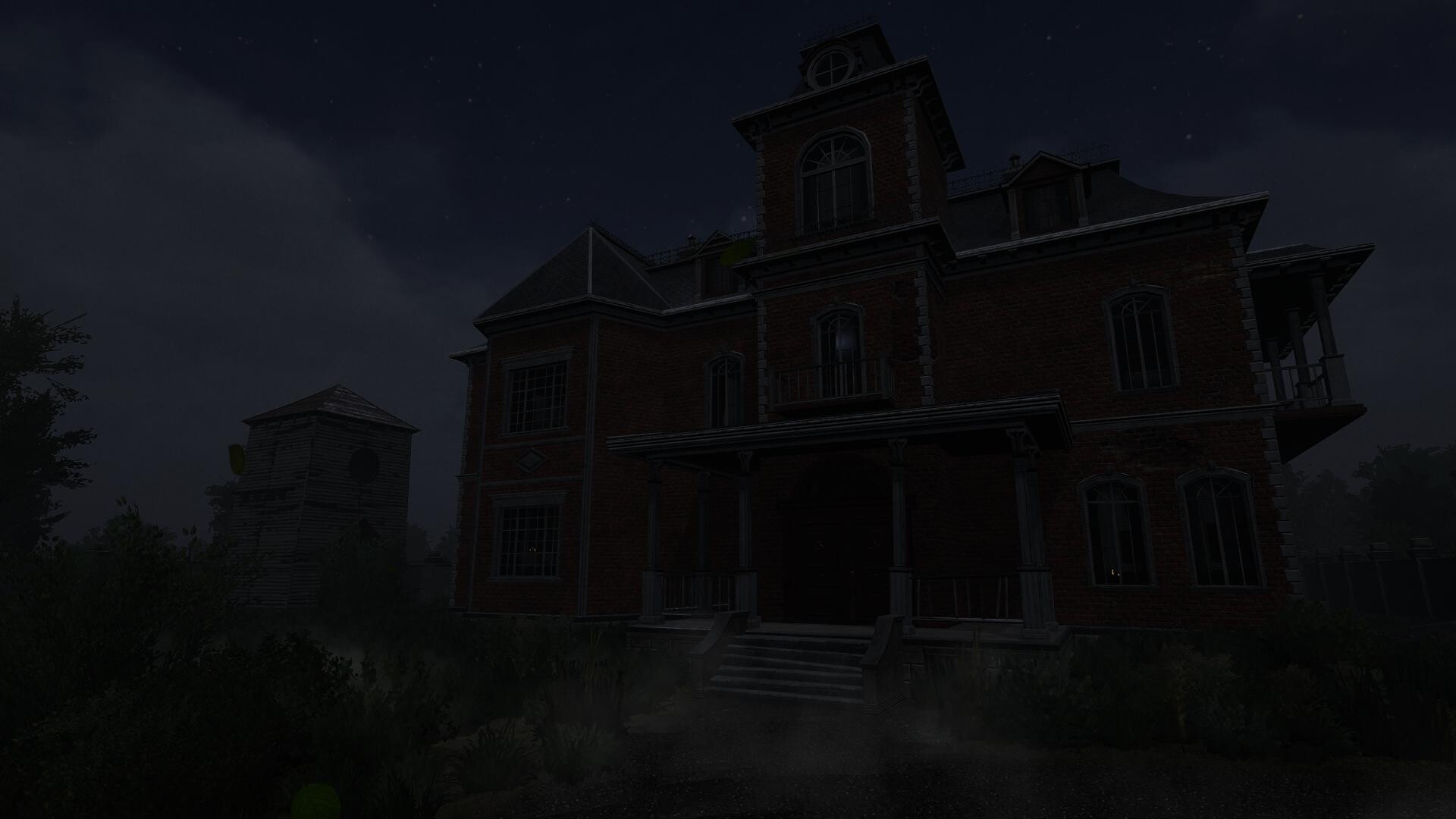
Trace of the Villa (Steadyturtle Co., Ltd.) is an Action / Adventure / Indie title on Steam that trades jump-scare horror for measured, investigative pacing. Its official premise: Jin has spent years searching for his missing sister, and a lead brings him to a property cut off from the grid where manifests and hints suggest she may still be alive. The mansion’s rooms feel “erased” rather than simply abandoned—furnished but missing photographs and names—and restoring power reveals secured systems, hidden compartments, encrypted document fragments, and suspicious transfer records.
When and where
Trace of the Villa released on 28 May, 2026 and is available on Steam for PC. The Steam page lists Steadyturtle Co., Ltd. as both developer and publisher and classifies the game under Action, Adventure, and Indie, with categories like Single-player, Color Alternatives, Custom Volume Controls, Playable without Timed Input, Subtitle Options, and Family Sharing.
Who should wishlist or buy this
This is for players who prefer atmospheric mystery adventures that reward observation over reflexes. If you enjoy:
- slow-burn suspense and mansion mystery where progression feels like assembling a forensic timeline;
- environmental storytelling that uses objects, utilities, and cached systems as pieces of evidence;
- puzzle design tied to investigation rather than fast action or timed skill checks;
then Trace of the Villa is likely to fit your tastes. It’s less aimed at players wanting constant combat or high-octane horror, and more at those who like to read a scene, recover traces, and map out how events unfolded.
Why the theme matters — abandoned estates and forensic curiosity
The mansion-as-evidence approach changes how mysteries unfold: the estate itself is a forensic object. Rooms “frozen” mid-routine, missing identifiers, and deliberately obscured records emphasize control, erasure, and concealment as narrative forces. That setup makes environmental evidence—the state of a room, powered systems, and financial traces—central to interpretation, rather than expository notes or overt narrator beats.
How you progress: reading clues and restoring systems
The Steam description details concrete investigative beats: when Jin restores power to the estate, secured systems come back online; hidden compartments and safes yield fragments of encrypted documents and suspicious transfer records. Each solved puzzle restores parts of the house’s timeline and reveals financial and identity irregularities—arrivals without records, departures without witnesses—so progression is primarily about interpreting recovered artifacts, reactivating infrastructure, and following the resulting trail.
Compact facts: Trace of the Villa
| Title | Trace of the Villa |
|---|---|
| Release date | 28 May, 2026 |
| Developer / Publisher | Steadyturtle Co., Ltd. |
| Genres | Action, Adventure, Indie |
| Notable Steam categories | Single-player; Color Alternatives; Custom Volume Controls; Playable without Timed Input; Subtitle Options; Family Sharing |
| Steam page | View on Steam |
Comparison: who likes Trace of the Villa versus nearby mystery/adventure titles
Below is a concise editorial comparison focused on atmosphere, pacing, puzzle emphasis, and exploration style—not a ranking or endorsement.
| Game | Core focus | Atmosphere / pacing | Puzzle vs horror | Exploration style | Player fit |
|---|---|---|---|---|---|
| Trace of the Villa | Mansion mystery, forensic investigation | Measured, slow-burn suspense | Puzzle-driven with systems/records as clues | Careful scene-reading, reactivating estate systems | Players who like environmental storytelling and clue-driven progress |
| Amnesia: The Dark Descent | Immersive survival horror | Claustrophobic, high-tension | Horror-first with puzzles supporting survival | First-person exploration under constant threat | Players seeking intense fear and direct survival mechanics |
| SOMA | Sci‑fi existential horror | Atmospheric and contemplative, with tense moments | Story and atmosphere over puzzle complexity | Exploration of environment to understand narrative and AI themes | Players who want story-heavy, philosophical horror |
| Layers of Fear (2016) | Psychological first-person horror | Unnerving, surreal, variable pacing | Atmosphere and narrative puzzles; reality shifts as a mechanic | Nonlinear, shifting mansion spaces | Players who enjoy psychological, Gothic artistry and unreliable spaces |
| The Room | Focused tactile puzzle box game | Quiet, curiosity-led pacing | Puzzle-centric, mechanical problem solving | Contained, object-based investigation | Players who prefer precise puzzle design and tactile mystery |
| Rusty Lake Hotel | Dark, surreal puzzle adventure | Weird, episodic, intimate pacing | Puzzle and narrative intertwine in short chapters | Room-by-room vignette exploration | Players who like compact, surreal puzzles and recurring motifs |
Player scenarios — who will click Play
- Investigative single-player: You want to spend an evening reconstructing a timeline from objects, log fragments and powered systems rather than reacting to monsters.
- Slow exploration sessions: You prefer methodical, exploratory sessions where reading a room and revisiting evidence is rewarded.
- Forensic curiosity: You’re drawn to games that treat estates and properties as repositories of bureaucratic and financial clues
YouTube discovery
For trailer and gameplay discovery, use YouTube search rather than relying on unverified embeds: Find Trace of the Villa trailer and gameplay searches on YouTube.
Leave a Reply