
Trace of the Villa: When puzzles become evidence and the house itself is the witness
Trace of the Villa frames puzzle design as investigative proof: clues, objects, and encrypted manifests are not just obstacles — they are fragments of a suppressed history that the player must assemble. Launched on 28 May, 2026 by Steadyturtle Co., Ltd., this Steam release leans into a slow-burning mansion mystery where reading the scene is as important as solving the lock.

Quick facts
| Title | Trace of the Villa |
|---|---|
| Developer / Publisher | Steadyturtle Co., Ltd. |
| Release date | 28 May, 2026 |
| Genres | Action, Adventure, Indie |
| Platform / Store | Steam (PC) |
| Single-player features | Single-player; Color Alternatives; Custom Volume Controls; Playable without Timed Input; Subtitle Options; Family Sharing |
| Steam reviews (public) | No user reviews at time of release |
Who it’s for
This is for players who prize environmental storytelling and puzzle work that reads like forensic evidence. If you prefer story-rich adventure games where every object, manifest and locked compartment can shift your understanding of events — rather than pure twitch action or fast-paced puzzle spam — Trace of the Villa is aimed at you. It also suits players who value accessibility options such as subtitle controls and color alternatives.
What the game is
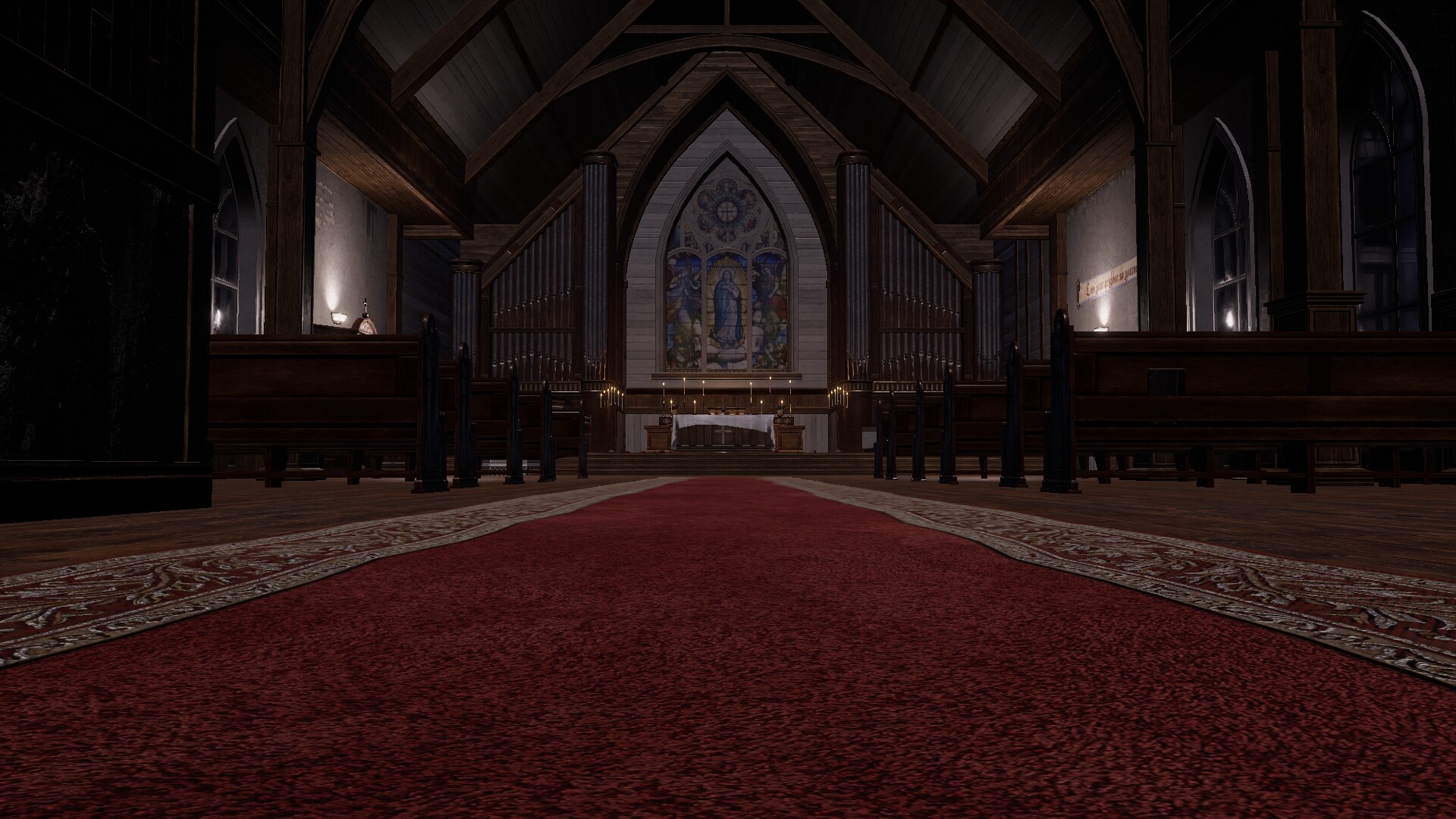
Official Steam materials describe Jin, a protagonist searching for his missing sister, following leads to a remote, decaying mansion where manifests and hints suggest she may still be alive. The estate is presented as deliberately erased: furnished rooms with no names, locked doors, and secured systems that reveal fragments — encrypted documents, suspicious transfer records, and falsified identities — when power is restored.

When and where to find it
Trace of the Villa released on Steam on 28 May, 2026. The Steam store page is the primary discovery location for PC players and includes the game’s official images, description, and store features.
Why the theme matters: puzzles as evidence
Many puzzle adventures treat objects as keys; Trace of the Villa treats them as testimony. Manifests, transfer records, and encrypted fragments act like case files. Solving a lock here doesn’t only open a door — it validates a timeline, confirms a disappearance, or exposes falsified identities. That editorial choice shifts the player’s role from solver to investigator: logic and pattern recognition aren’t just mechanics, they are the method of reconstructing truth from intentional omission.
How you read clues and progress
The Steam description notes that restoring power and reactivating secured systems is a stage of discovery. Expect layered puzzles where environmental cues (missing photographs, sealed safes, abrupt furnishings) and recovered documents combine to suggest motives and routes. Progression is therefore both spatial — unlocking rooms and systems — and epistemic: each new piece of evidence refines the house’s narrative and Jin’s investigation.
Player scenarios — who will enjoy what
- Slow-burn investigators: You enjoy taking notes, mapping timelines, and letting suspicion build as small finds coalesce into a larger conspiracy. The mansion’s atmosphere and withheld history reward patience.
- Clue-first puzzle players: You like puzzles that make sense within their context — decoding manifests or aligning physical evidence to an office ledger. The game’s emphasis on documents and transfer records suits this reading-focused playstyle.
- Story-focused adventurers: If you play for narrative payoffs and character-driven motivations, the premise — searching for a missing sister and uncovering an operation that erased identities — places emotional stakes behind each discovery.
How it compares — a short editorial table
| Title | Puzzle focus | Atmosphere / Tone | Exploration style | Pacing / Best for |
|---|---|---|---|---|
| Trace of the Villa | Evidence-driven: manifests, encrypted documents, locked systems | Decaying mansion, erased identities, slow-burn tension | Investigative, restore systems and unlock sealed areas | Players who want story-rich, clue-reading investigations |
| The Room | Mechanical, tactile safes and devices; focused object puzzles | Mysterious, singular-room curiosities | Contained, puzzle-box exploration | Players who prefer tight, handcrafted object puzzles |
| Escape Simulator | High interactivity, escape-room style puzzles (solo or co-op) | Varied rooms, playful to tense depending on community maps | Room-to-room, physics and item interaction focused | Players who prefer fast, highly interactive puzzle rooms and co-op |
| Unpacking | Domestic, object placement as narrative clue | Zen, quiet, character-driven | Low-pressure, room organization reveals story | Players who like narrative discovery through everyday objects |
Note: comparisons cite genre and description-based editorial criteria — atmosphere, puzzle style, exploration and pacing — rather than value judgments or sales data.
Deciding whether to wishlist
Wishlist Trace of the Villa if you prioritize environmental storytelling and narrative puzzles that feel like building a case. If you prefer bite-sized object puzzles or co-op escape-room action, other titles in the puzzle-adventure space offer different emphases. The Steam page lists single-player accessibility options like Subtitle Options, Color Alternatives, and Playable without Timed Input that may influence your choice.
YouTube discovery
Want trailers or gameplay footage? Search for Trace of the Villa trailers and gameplay using this YouTube discovery link: YouTube search: Trace of the Villa trailer & gameplay. (This link is a discovery path; a specific official video is not claimed here.)
Where to buy / try
Find Trace of the Villa on Steam: Trace of the Villa on Steam
Leave a Reply