
Who should consider Trace of the Villa after enjoying atmospheric mystery adventures?
Trace of the Villa is a story-driven, clue-focused mansion mystery that centers on Jin’s search for a missing sister inside a remote, decaying estate. If you favor slow-burn suspense, environmental storytelling, and puzzles that reward careful exploration, this Steam release is worth a closer look.

| Title | Trace of the Villa |
|---|---|
| Release date | 28 May, 2026 |
| Developer / Publisher | Steadyturtle Co., Ltd. |
| Platform / Store | PC — Steam (store page available) |
| Genres / Tags | Action, Adventure, Indie — Single-player, Subtitles, Custom Volume Controls, Color Alternatives |
| Official premise | Jin searches for his missing sister at a remote, decaying mansion and recovers manifests and hints indicating she may still be alive. |
What the game is (and how it plays)
Trace of the Villa frames its narrative as a personal investigation: Jin has been searching for his missing sister for years, and a lead points to a deliberately forgotten estate. The official Steam description highlights environmental storytelling elements — rooms that feel “erased,” secured systems that come back online when power is restored, hidden compartments, and safes that yield fragments of encrypted documents and suspicious transfer records. Progress appears tied to piecing together those fragments: restoring systems, unlocking sealed areas, and following financial and identity clues that suggest the mansion was part of a larger, concealed operation.
When and where
Trace of the Villa released on 28 May, 2026 and is available on Steam. The developer and publisher is Steadyturtle Co., Ltd. The Steam store page lists the PC-focused genres and accessibility categories such as subtitles, color alternatives, and an option to play without timed input.
Why the theme matters
The game’s core is a psychological investigation built around absence and erasure — personal belongings left behind, identities removed, and a mansion that reads like a crime scene reassembled. For players who value environmental storytelling and clue-driven exploration, that setup promises narrative puzzles that reward attention to detail rather than fast reflexes. The presence of locked systems and encrypted fragments implies a layered, investigative progression rather than a strictly combat-first pace.
How you read clues and progress
According to the official description, progression depends on interacting with the mansion’s infrastructure: restore power, reactivate secured systems, open hidden compartments and safes, then interpret manifests, transfer records, and other fragments. That sequence suggests a mixture of inventory/puzzle work and environmental discovery — you solve for access (power, locks, encryption) and then assemble narrative context from recovered documents and traces.
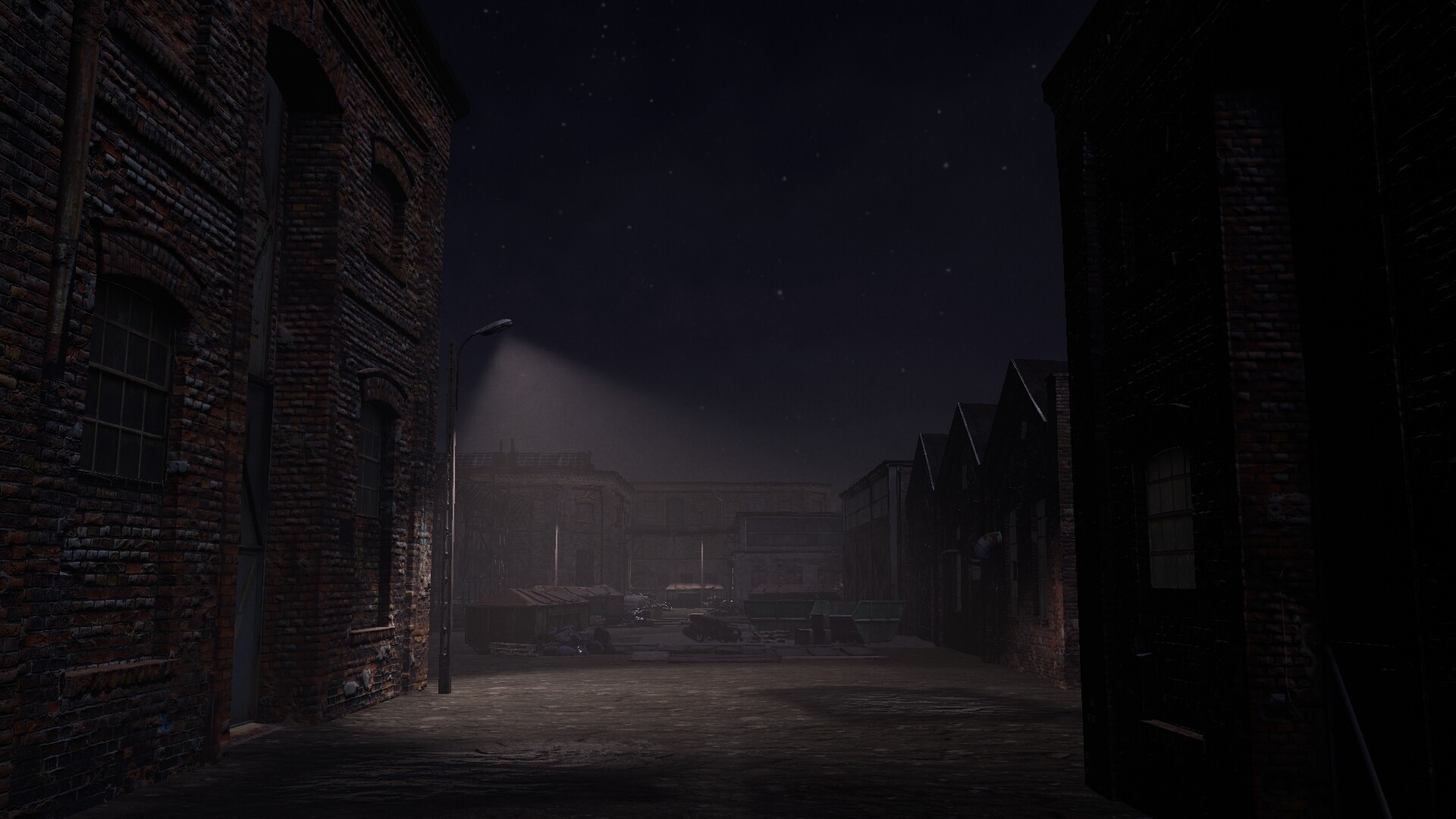
Who should wishlist Trace of the Villa?
- Players who prefer atmospheric mystery adventure and slow-burn suspense over action-heavy pacing.
- Fans of environmental storytelling who enjoy reconstructing events from documents, manifests, and encrypted fragments.
- Those who like structured, clue-driven progression (restore systems, unlock compartments, find evidence) and playable options like no timed input or subtitle support.
- Players who enjoy story-rich single-player indie titles with a psychological investigation tone rather than pure survival-horror mechanics.
Specific player scenarios
- If you liked methodical exploration and dark manor settings: You’ll likely appreciate Trace of the Villa’s mansion mystery and focus on recovered documents and locked rooms.
- If you enjoyed puzzle-box games: The game’s reliance on safes, hidden compartments and encrypted fragments will appeal to players who favor puzzle reward loops over constant action.
- If you prefer intense survival horror: Trace of the Villa reads more like a psychological investigation with atmospheric dread; it may be less focused on chase-and-escape mechanics than on uncovering a suppressed operation.
How Trace of the Villa compares to similar mystery/adventure games
Below is a focused editorial comparison based on official descriptions and store metadata: tone, pacing, clue focus, and exploration style. This is an editorial discovery tool to help readers decide which experience aligns with their tastes.
| Title | Tone | Pacing | Clue / Puzzle Focus | Exploration Style | Suited players |
|---|---|---|---|---|---|
| Trace of the Villa (Steadyturtle) | Atmospheric, investigative, psychological | Measured, investigative — restore systems and uncover layers | Document recovery, locked compartments, encrypted fragments | Mansion-bound exploration with systems-based unlocking | Fans of story-rich, clue-driven mysteries and environmental narrative |
| Amnesia: The Dark Descent | Immersive survival horror | Tense, fear-driven moments mixed with exploration | Environmental clues and notes, sanity mechanics | First-person, atmosphere-heavy maze-like spaces | Players seeking immersion and high-tension horror |
| SOMA | Philosophical sci-fi horror |
Leave a Reply