Trace of the Villa: How Rooms Turn Puzzles into Story
Trace of the Villa places you inside a decaying mansion where each room is both a mechanical problem and a piece of narrative evidence — a space that demands you read clues, apply object logic, and reconstruct a human timeline. The game frames investigation as gradual restoration: restore power, open locked compartments, and let the house reveal the operation that erased its occupants.

Who, What, When, Where, Why, How
Who it’s for
Players who favour atmospheric mystery adventure and story-rich investigation — people who prefer slow-burn suspense and environmental storytelling over combat or action-heavy sequences. If you enjoy reading a space as much as solving a lock, this is geared toward you.
What the game is
Trace of the Villa (developer/publisher: Steadyturtle Co., Ltd.) is listed in Steam’s metadata as Action / Adventure / Indie. Its premise centers on Jin, a protagonist who has spent years searching for his missing sister and follows a lead to a remote, deliberately forgotten mansion. The house is furnished as if occupants vanished mid-routine; restoring power and unlocking systems produces manifests, encrypted fragments, and transfer records that hint at a larger, concealed operation.
When and where
Trace of the Villa released on Steam on 28 May, 2026. The Steam page supplies the game’s official short description and visual assets used throughout this piece.
Why the theme matters
The title uses a mansion not only as a backdrop but as an active narrator: rooms store traces of movement, financial traces and falsified identities. That setup changes puzzle design from isolated riddles into serialized evidence gathering — each solved safe or rebooted system rewrites who belonged here and why.
How you progress — clue reading, object logic, and story puzzles
Progression in Trace of the Villa, as presented on Steam, hinges on three overlapping practices:
- Clue reading — noticing what’s absent as much as what’s present: manifests, transfer records, and encrypted fragments are the textual breadcrumbs that narrate the estate’s purpose.
- Object logic — using physical items and restored systems to manipulate the environment: restoring power causes secured systems to come back online and hidden compartments to open, so tools and triggers have narrative payoff.
- Story puzzles — puzzles that unlock plot fragments rather than standalone solutions: safes and encrypted documents act as nodes in a larger investigative graph, each revealing a new connection in the timeline.
That triad makes rooms into both puzzle spaces and story containers: solving a mechanical problem simultaneously rearranges the player’s understanding of events inside the house.
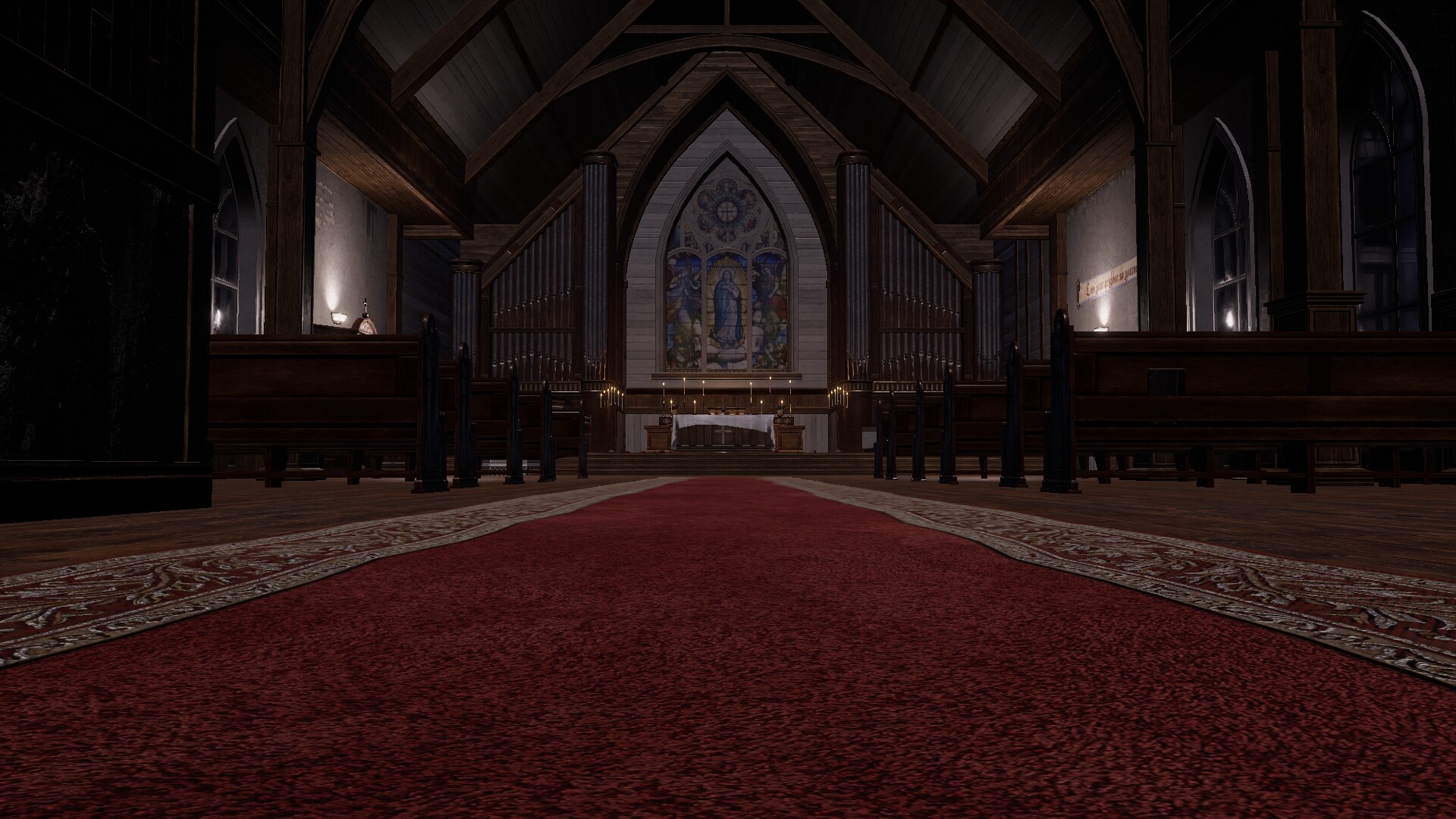
Visual snapshot from the Steam page

Compact facts — Trace of the Villa
| Title | Trace of the Villa |
|---|---|
| Steam App ID | 3483660 |
| Release date | 28 May, 2026 |
| Developer | Steadyturtle Co., Ltd. |
| Publisher | Steadyturtle Co., Ltd. |
| Genres | Action, Adventure, Indie |
| Categories | Single-player; Color Alternatives; Custom Volume Controls; Playable without Timed Input; Subtitle Options; Family Sharing |
| Short premise (official) | “Jin has spent years searching for his missing sister… recovered manifests and hints that indicate his sister may still be alive, somewhere at the end of the trail he is about to follow.” |
Comparison: Where Trace of the Villa sits among puzzle-driven room games
This table compares Trace of the Villa to nearby puzzle or room-focused titles by editorial criteria: genre, atmosphere, puzzle focus, exploration style, and the player profile best suited to each.
| Title | Core puzzle focus | Atmosphere & tone | Exploration & interaction | Player fit |
|---|---|---|---|---|
| Trace of the Villa | Clue-driven investigation: manifests, encrypted fragments, power restoration, safes and secured systems. | Mansion mystery with slow-burn suspense and a psychological investigative slant. | Room-based exploration where restoring systems changes the environment and unlocks narrative layers. | Players who want story puzzles that reveal a wider operation and prefer environmental storytelling. |
| The Room | Mechanical box-and-safe puzzles, tactile manipulation of devices (topic research: cast-iron safe and intricate mechanisms). | Mysterious, claustrophobic and puzzle-centric — emphasis on crafted mechanical puzzles. | Focused room/attic set pieces; puzzles are self-contained mechanical contraptions. | Players who favor handcrafted object puzzles and tactile puzzle design over narrative exposition. |
| Escape Simulator | Highly interactive escape-room gameplay: moving furniture, manipulating many objects; community rooms. | Playful to intense depending on room; emphasis on physical interactivity. | Free-form interaction with room elements; supports co-op and user-made rooms. | Players who like highly interactive rooms, cooperative puzzle solving, and lots of physical object manipulation. |
Leave a Reply