
Trace of the Villa — a slow-burn mansion mystery for meticulous investigators
Jin’s search for a missing sister leads to a remote, decaying mansion where manifests, encrypted fragments, and locked rooms point to a larger, deliberately erased operation. If you prize environmental storytelling, clue-driven exploration, and the patient excavation of a hidden backstory, this Steam release is built around that investigative appetite.

| Title | Trace of the Villa |
|---|---|
| Developer / Publisher | Steadyturtle Co., Ltd. |
| Release date | 28 May, 2026 |
| Steam AppID | 3483660 |
| Genres | Action, Adventure, Indie |
| Categories | Single-player; Color Alternatives; Custom Volume Controls; Playable without Timed Input; Subtitle Options; Family Sharing |
| Short premise | Jin follows leads to a remote mansion and recovers manifests and hints indicating his sister may still be alive. |
Who this is for
Practiced investigators, lore readers, and methodical players who prefer gradual reveals over jump-scare shocks. If your ideal session prioritizes cataloguing evidence, decrypting fragments, and reconstructing timelines from objects and systems rather than constant combat or speed-based puzzles, this is aimed at you.
What the game is — one-paragraph core
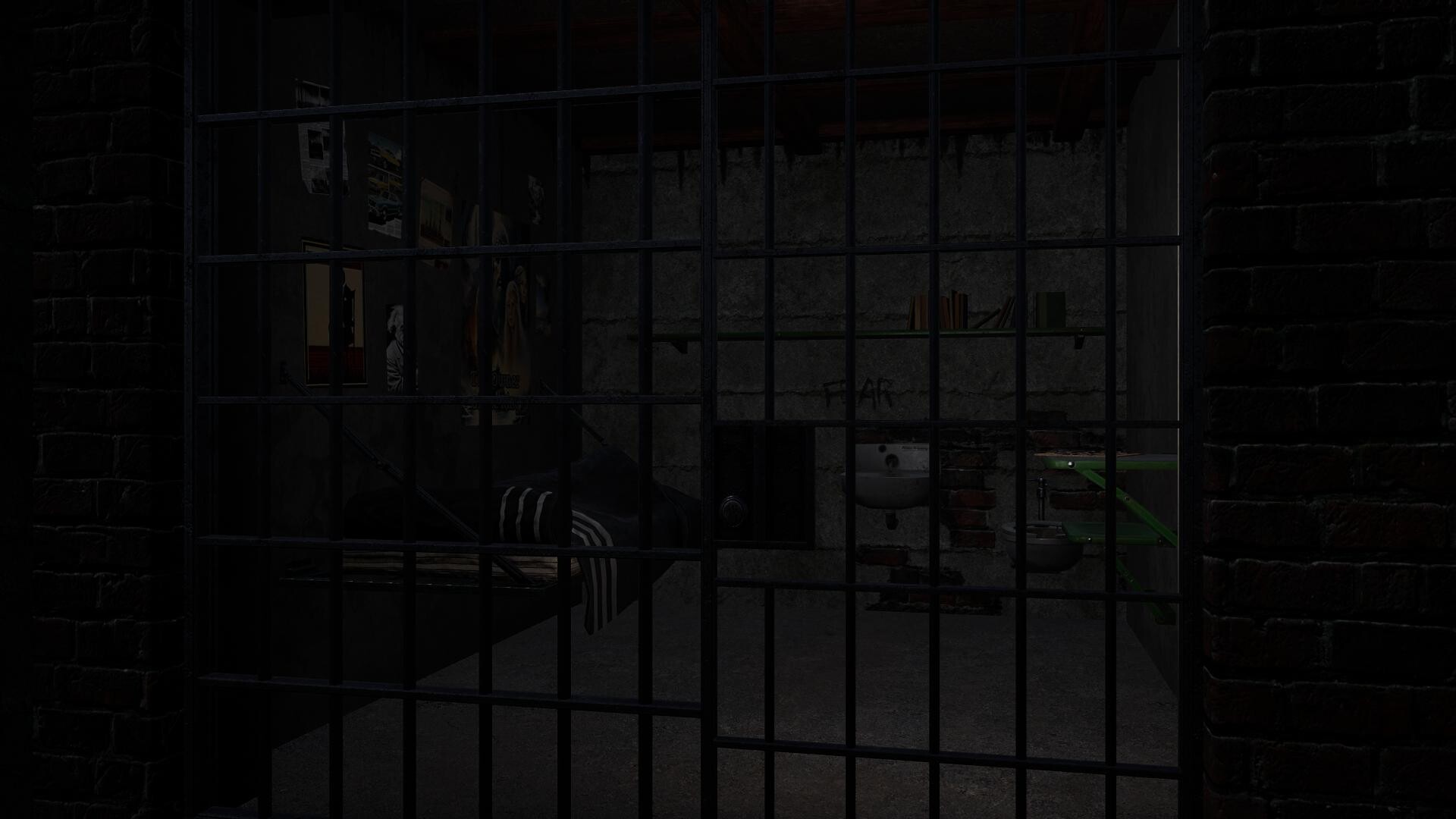
Trace of the Villa positions you as Jin, a searcher following a trail that ends at an isolated, intentionally forgotten estate. The mansion’s appearance—furnished rooms without names, locked doors, and erased identities—frames an investigative loop: restore power, bring systems back online, open hidden compartments, and piece together financial trails, manifests, and encrypted documents that hint at the estate’s true purpose.
When and where — Steam / PC context
Trace of the Villa launched on Steam on 28 May, 2026. It’s published and developed by Steadyturtle Co., Ltd. and appears in Steam’s Action / Adventure / Indie lines with single-player-focused accessibility options such as subtitles, color alternatives, and the explicit “Playable without Timed Input” category.
Why the theme matters — the appeal of erasure and inference
The central mystery isn’t only “what happened?” but “what was deliberately removed?” Rooms furnished but anonymized, missing photographs, and falsified records create a specific narrative itch: you’re not decoding an immediate supernatural threat so much as reconstructing an engineered disappearance. That makes the game a study in inference—each recovered manifest or encrypted fragment is a small structural clue that asks you to hypothesize motives, timelines, and possible routes by which people entered and left without trace.
How you advance — reading systems, documents, and restored power
The official description details a clear investigative loop: restore the mansion’s power to reactivate secured systems; when systems come online, hidden compartments and safes begin to yield fragments of encrypted documents and suspicious transfer records. Manifests and hints recovered from the property suggest arrivals without records and departures without witnesses; the player’s progress depends on piecing these elements together into a coherent timeline. Expect environmental puzzles and document-driven leads more than reflex-based sequences—this is narrative puzzle design built around careful observation.

Player scenarios — when you should wishlist it
- If you are meticulous: You enjoy cataloguing small details—labels on boxes, ledger entries, or wiring diagrams—that later converge into a satisfying theory. The game’s emphasis on secured systems and encrypted fragments rewards slow, methodical play.
- If you’re a lore reader: You prefer stories told by objects and redacted records rather than explicit exposition. Expect in-world manifests and transfer records to carry much of the plot weight.
- If you like investigation-driven pacing: You favor patient atmospheric tension and piecemeal revelations over constant action or timed reaction tests. The Steam categories confirm the game supports “Playable without Timed Input.”
- If you want some action flavor: The game is listed as Action / Adventure, so there may be moments that blend exploration with more immediate gameplay beats, but its core selling point in the official text is reconstruction of a hidden operation via documents and systems.
How Trace of the Villa compares — quick editorial map
| Title | Tone / Atmosphere | Narrative focus | Puzzle / Exploration style | Best for |
|---|---|---|---|---|
| Trace of the Villa | Slow-burn mansion mystery; erased identities | Document and system-based investigation (manifests, encrypted fragments) | Clue-driven exploration, environmental puzzle solving, power/system restoration | Lore readers, methodical investigators |
| Inscryption | Inky, claustrophobic, meta-horror | Secrets embedded within a card-based structure and narrative layers | Deckbuilding meets escape-room puzzles; emergent mystery through mechanics | Players who like mechanic-as-story and dark, layered reveals |
| Outer Wilds | Open, curious, cosmic | Grand, systemic mystery about a trapped solar system (was named GOTY by several outlets) | Exploratory, environmental puzzles across an open system and time loops | Explorers who like piecing cosmic-level timelines from environmental clues |
| Journey | Minimalist, contemplative | Environmental discovery and emotional progression through travel | Movement and atmosphere-driven exploration, few explicit puzzles | Players seeking tone and mood over document-led mysteries |
| The Forgotten City | Morally complex, narrative-driven | Time-loop mystery with social and ethical puzzles | Dialogue and consequence-focused puzzles that depend on investigation and choice | Players who like narrative puzzles and branching outcomes |
| The Medium | Psychological, dual-reality | Investigative horror across real and spirit realms | Third-person exploration with psychological puzzle elements | Fans of atmospheric horror with narrative beats and dual-reality mechanics |
Deciding checklist — will you like it?
- Do you get satisfaction from assembling timelines from ledgers, manifests, and encrypted notes? — Yes: wishlist it.
- Do you prefer fast-paced action or reflex tests over patient reading and system restoration? — Maybe not your primary pick.
- Do you value accessibility features (subtitles, color alternatives) and play without timed inputs? — Trace of the Villa includes those Steam categories. Steam page
View Trace of the Villa on Steam
YouTube discovery
For trailer and gameplay discovery, use YouTube search rather than relying on unverified embeds: Find Trace of the Villa trailer and gameplay searches on YouTube.
Leave a Reply