
Trace of the Villa — a story-first mansion mystery where every restored light reveals another secret
Trace of the Villa puts a personal, clue-driven investigation at the center of its design: Jin follows a cold trail to a decaying, off-grid mansion and uncovers manifests, encrypted documents, and evidence that the missing sister he’s searched for may still be alive. Release date on Steam: 28 May, 2026 — developer and publisher: Steadyturtle Co., Ltd.

| Title | Trace of the Villa |
| Developer / Publisher | Steadyturtle Co., Ltd. |
| Release Date | 28 May, 2026 |
| Genres | Action, Adventure, Indie |
| Steam categories | Single-player; Color Alternatives; Custom Volume Controls; Playable without Timed Input; Subtitle Options; Family Sharing |
| Steam appid | 3483660 |
Who is this for?
Trace of the Villa is aimed at players who prioritize story-first mystery design: people who enjoy slow-burn suspense, environmental storytelling, and piecing together a backstory from documents, locked compartments, and systems that only reveal themselves when you bring them back online. If you respond to narrative curiosity more than to combat spectacle, this is a title to watch.
What the game is
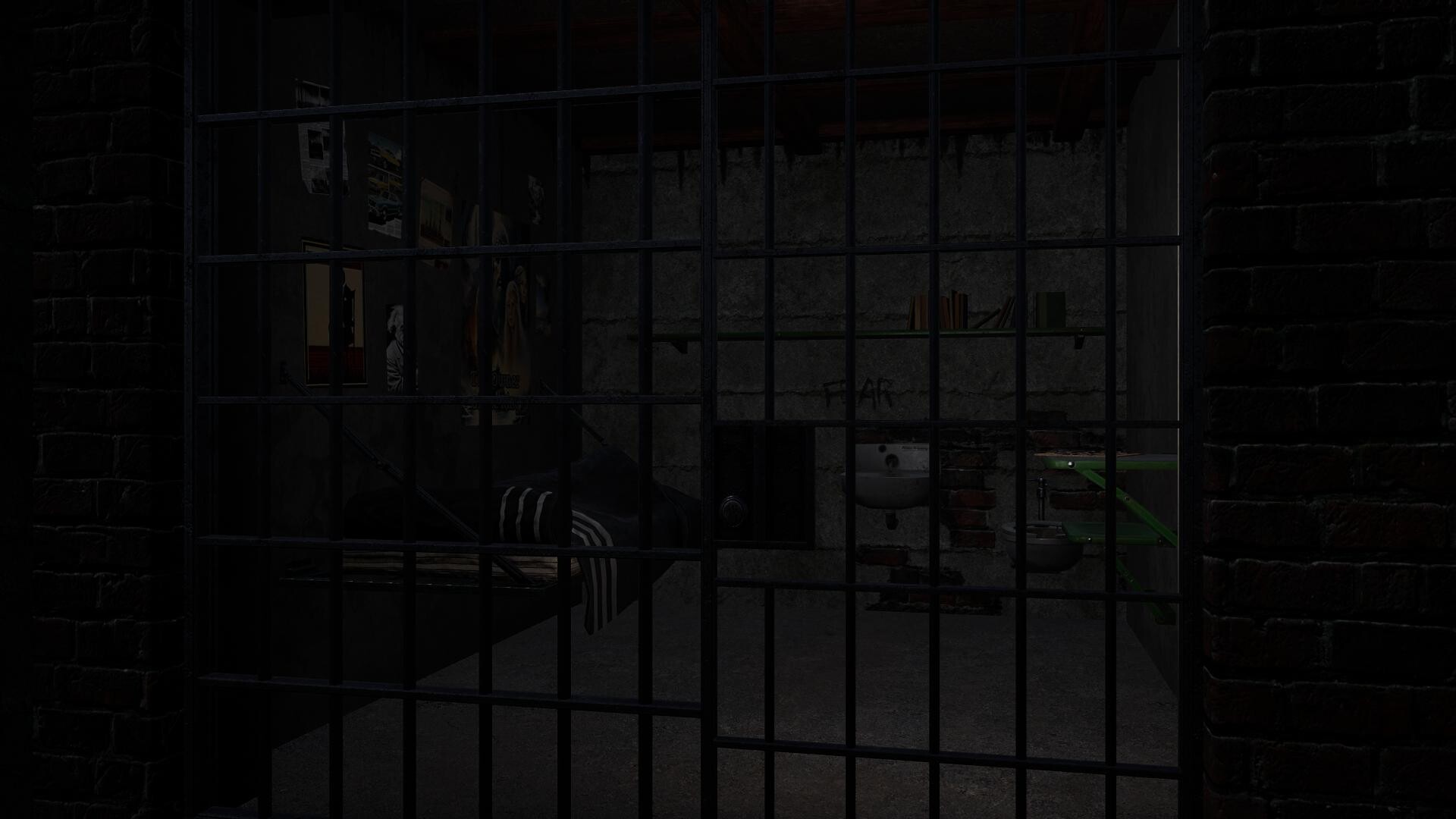
Officially described on Steam as a search for a missing sister, the game follows Jin into a remote, decaying mansion where manifests and other hints suggest the sister may still be alive. Inside, the house feels less abandoned than erased: furnished rooms without photographs or names, locked doors, hidden compartments, safes, encrypted documents, and suspicious transfer records. These are not just set dressing — they are the primary channels by which meaning is revealed.
When and where
Trace of the Villa released on Steam on 28 May, 2026. For Steam readers: the store page lives here — Trace of the Villa on Steam.
Why the theme matters
The game’s premise leans on identity wiped from places and records: falsified identities, financial trails that lead nowhere, and movements masked behind deliberate obfuscation. That kind of world-building feeds a specific kind of curiosity — players are invited to feel the intellectual reward of connecting discrete artifacts into a coherent, disturbing timeline. The emotional core is personal: Jin’s search for his sister makes each discovered manifest or encrypted note read as a potential link to a living person rather than a cryptic historical footnote.
How players uncover meaning
The Steam description states that when Jin restores power, the estate begins to reveal what it was hiding: secured systems come back online, hidden compartments unlock, and safes yield fragments of encrypted documents and suspicious transfer records. Progression, therefore, is built around restoring infrastructure and decoding the traces left behind. Mechanically that reads as a loop of exploration → system restoration → document recovery → pattern recognition: each solved puzzle or recovered manifest opens another interpretive doorway rather than simply gating the next combat encounter.

Player scenarios — who should wishlist it
- Detective-style players who like collecting tangible traces (manifests, transfer records, encrypted fragments) and assembling a timeline from fragments.
- Fans of atmospheric mansion mysteries who prefer atmosphere, unspoken histories, and interpretive reading over constant action.
- Players who enjoy environmental storytelling where systems — power, safes, hidden compartments — are narrative devices rather than mere puzzles.
- Anyone drawn to personal stakes in a mystery: Jin’s search for a missing sister gives discoveries an interpersonal weight rather than abstract dread.
How it compares — editorial discovery
| Title | Shared focus | Narrative / pacing | Player fit |
|---|---|---|---|
| Inscryption | Mystery embedded in systems and puzzles | Layered, meta-textual reveals; often tense and abrupt tonal shifts | Players who like puzzles that retroactively reframe the story |
| Outer Wilds | Exploration-driven discovery | Slow, patient unraveling across environments; systemic mystery | Players who relish piecing together a larger pattern via exploration |
| Journey | Atmosphere-first experience | PoeticYouTube discoveryFor trailer and gameplay discovery, use YouTube search rather than relying on unverified embeds: Find Trace of the Villa trailer and gameplay searches on YouTube. Reader decision checklistUse this checklist before deciding whether Trace of the Villa belongs on your Steam wishlist. The game is most relevant if you enjoy reading environmental evidence, following document trails, inspecting rooms for small inconsistencies, and letting a mystery unfold through objects rather than exposition. It is less about instant spectacle and more about the slow pressure of a place that seems to have been deliberately erased. SEO note for discovery-minded playersPlayers searching for atmospheric mystery adventure, clue-driven exploration, mansion mystery game, story-rich indie adventure, psychological investigation game, or narrative puzzle design are likely looking for the same core appeal: a PC game where the setting is not just a backdrop but the main source of evidence. Trace of the Villa fits that search intent because its official Steam premise centers on Jin, his missing sister, a remote mansion, restored systems, hidden compartments, safes, encrypted documents, and a trail of suspicious records. Final player-fit summaryWishlist Trace of the Villa if you want a slow investigation built around official Steam store elements: a 28 May, 2026 release from Steadyturtle Co., Ltd., a single-player PC/Steam mystery structure, official screenshots showing the mansion atmosphere, and a premise that uses the house itself as a puzzle box. The strongest fit is for players who prefer patience, observation, and narrative reconstruction over fast combat or loud horror beats. CommentsMore posts |
Leave a Reply