
Trace of the Villa — an inspection-first mansion mystery that rewards patient, locked-room thinking
Trace of the Villa is an atmospheric mystery adventure about Jin following a cold lead into a remote, decaying mansion to search for his missing sister. Released 28 May, 2026 and developed/published by Steadyturtle Co., Ltd., the game leans on object logic, chained clues, and environmental reading rather than action spectacle.

Who this is for
If you favor slow-burn suspense, methodical puzzle sequences, and narrative puzzle design built around reading spaces and objects, Trace of the Villa is aimed at you. The game suits players who enjoy inspection-heavy play — cataloguing scraps of evidence, toggling power to reveal hidden systems, and following clue chains that unlock new rooms and documents. It’s less about twitch reflexes and more about patience, inference, and the satisfaction of linking small discoveries into a coherent timeline.
What the game is (short)
Trace of the Villa places you in the shoes of Jin, who explores a deliberately forgotten mansion where rooms appear preserved as if occupants vanished mid-routine. Restoring power and accessing secured systems drives progression: hidden compartments open, safes yield encrypted fragments, and manifests hint that the missing sister might still be alive. The official Steam description frames the experience as a mystery investigation through environmental storytelling and discovered records.
When and where: Steam / PC context
Trace of the Villa was released on 28 May, 2026 for Steam (PC). The Steam store page lists the title, developer/publisher (Steadyturtle Co., Ltd.), its Action / Adventure / Indie genres, and supporting categories such as Single-player, Subtitle Options, and Family Sharing.
Why the theme matters — identity, erasure, and the built environment
The mansion’s core conceit is not only a missing-person case but an interior where identities appear intentionally erased: no names, no photographs, falsified records. That setup makes environmental puzzles meaningful — the rooms themselves are testimony, and object logic is the primary language of the narrative. When a game places story fragments inside safes, manifests, or power-dependent systems, reading the scene carefully becomes both a mechanical and emotional act: you’re reconstructing lives through objects.
How you progress: clue chains, power, and locked-room reasoning
Progression in Trace of the Villa uses several interlocking systems disclosed on Steam’s official description:
- Restoring estate power brings secured systems back online, enabling new interactions and revealing previously hidden compartments.
- Safes and encrypted documents provide fragments of financial trails and falsified identities that must be pieced together into a timeline.
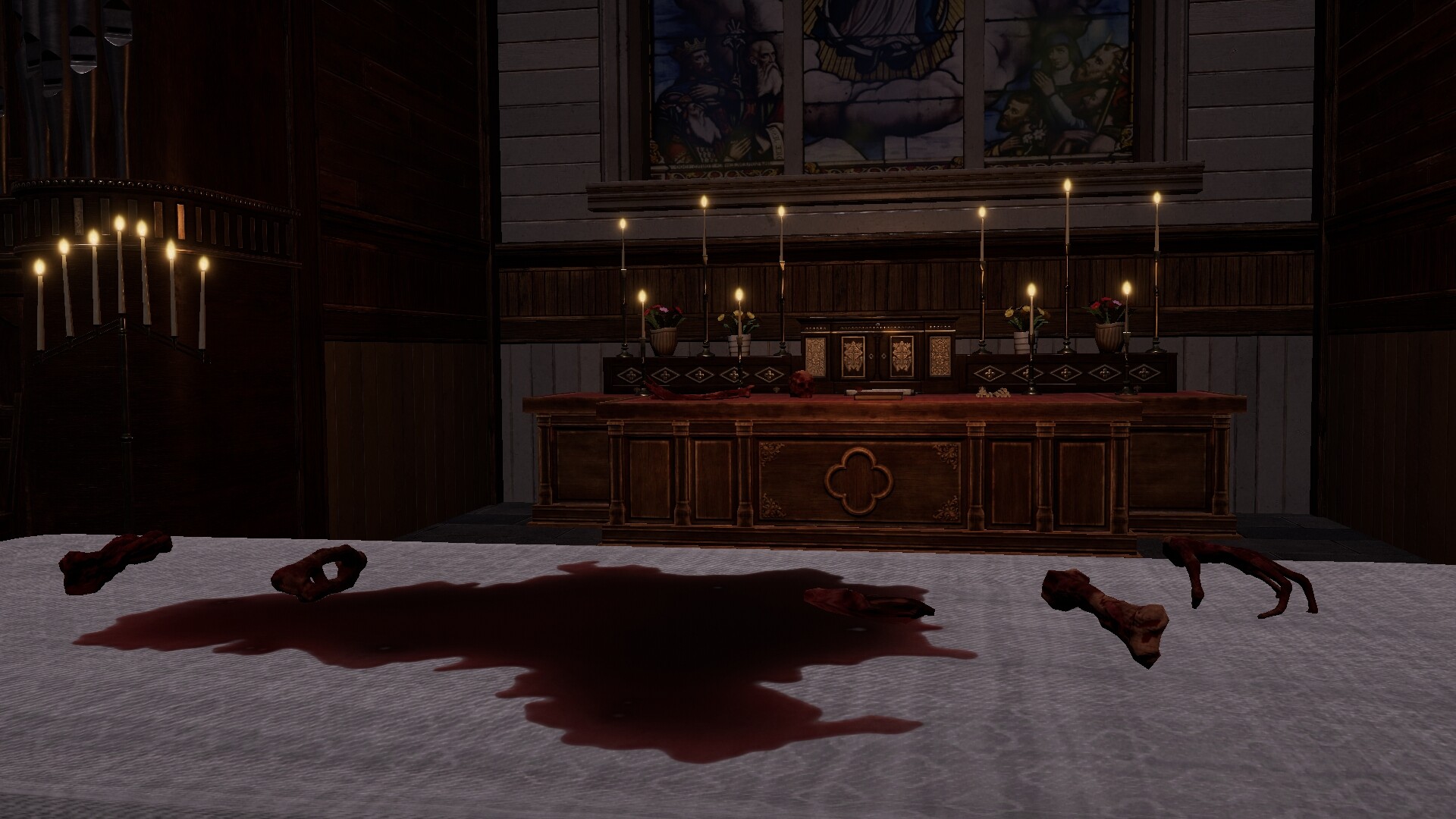
- Rooms are staged as if occupants vanished mid-routine — careful inspection of furnishings and personal effects is required to infer sequences of events and locate further leads.
That combination encourages locked-room thinking: treat each room as a micro-puzzle whose solved state often yields the key (literally or figuratively) to the next area. Players who enjoy chaining small deductions into larger revelations will find this design rewarding.

Practical player scenarios — who should wishlist it
- Inspection-first players: You enjoy examining every drawer, cataloguing fragments, and building narratives from small, interlocking details.
- Slow-burn mystery fans: You prefer atmospheric tension and layered reveals over combat or time pressure; the game is listed as Playable without Timed Input on Steam.
- Narrative puzzle players: You want puzzles that exist to advance story inference — safes, encrypted manifests, and power puzzles that disclose new narrative content.
- Single-player explorers: The Steam listing classifies the game as Single-player and includes accessibility touches like Subtitle Options and Custom Volume Controls.
Compact facts — Trace of the Villa
| Title | Trace of the Villa |
|---|---|
| Release date | 28 May, 2026 |
| Developer | Steadyturtle Co., Ltd. |
| Publisher | Steadyturtle Co., Ltd. |
| Genres | Action, Adventure, Indie |
| Key Steam categories | Single-player; Color Alternatives; Custom Volume Controls; Playable without Timed Input; Subtitle Options; Family Sharing |
| Steam store | Trace of the Villa on Steam |
How it compares — quick editorial table
Below are non-judgmental editorial comparisons on puzzle focus, atmosphere, and exploration style with nearby PC mystery and puzzle titles.
| Title | Primary puzzle style | Atmosphere / story tone | Exploration & interaction | Player fit |
|---|---|---|---|---|
| Trace of the Villa | Object logic, locked safes, system-restoration puzzles | Slow-burn mansion mystery; identity erasure and forensic reading of rooms | Single-player, inspection-heavy environmental reads | Players who like chained clues and narrative puzzle design |
| The Room | Mechanical puzzle boxes and tactile safe puzzles | Isolated, uncanny — intimate focused mystery | Single-player; focused inspection of a central enigmatic object | Players who prefer tightly crafted object puzzles and tactile mechanics |
| The Room Two | Extended mechanical and environment-linked puzzles | Cryptic, atmospheric continuation of the object-puzzle tradition | Single-player; episodic rooms and intricate mechanisms | Players who enjoyed The Room and want more layered mechanical puzzles |
| Escape Simulator | Highly interactive rooms; item manipulation and physics | Playful to tense depending on community room; sandbox editor | Single-player and co-op; emphasis on interactivity and community-made rooms | Players who like physical interactivity, level editors, or co-op puzzle solving |
| Hi‑Fi RUSH | Action beat-driven combat and timing | Energetic, music-synced action — not a mystery/puzzle tone | Single-player action; rhythmic combat and set-piece pacing | Players looking for tempo-driven action, not environmental mystery |
Use the table to decide whether you prefer Trace of the Villa’s inspection-led, narrative puzzle approach or another game’s tighter object puzzles or interactive co-op rooms.
YouTube / trailer search
If you want trailers or gameplay clips, search YouTube with this query path (this is a discovery link, not a confirmation of an official channel): Trace of the Villa trailer & gameplay on YouTube.
Final notes and recommendations
If your ideal play session is methodical — sniffing out encrypted ledgers, turning on systems to watch secrets wake, and reading rooms for narrative clues — add Trace of the Villa to your wishlist. If you
Leave a Reply