
Who should consider Trace of the Villa after enjoying atmospheric mystery adventures?
Trace of the Villa (released 28 May, 2026) is a story-led mansion mystery built around investigative pacing, environmental storytelling, and puzzle-led reveals. If you prize slow-burn suspense, careful clue reading, and exploration that rewards patient players, this Steam indie warrants a close look.

Compact facts — Trace of the Villa
| Title | Trace of the Villa |
|---|---|
| Release date | 28 May, 2026 |
| Developer / Publisher | Steadyturtle Co., Ltd. |
| Steam AppID / Store | 3483660 — Trace of the Villa on Steam |
| Genres | Action, Adventure, Indie |
| Notable Steam categories | Single-player, Color Alternatives, Custom Volume Controls, Playable without Timed Input, Subtitle Options, Family Sharing |
| Official short premise | “Jin has spent years searching for his missing sister, pursuing leads that took him to a remote, decaying mansion where he recovered manifests and hints that indicate his sister may still be alive…” |
What Trace of the Villa is (and what it explicitly promises)
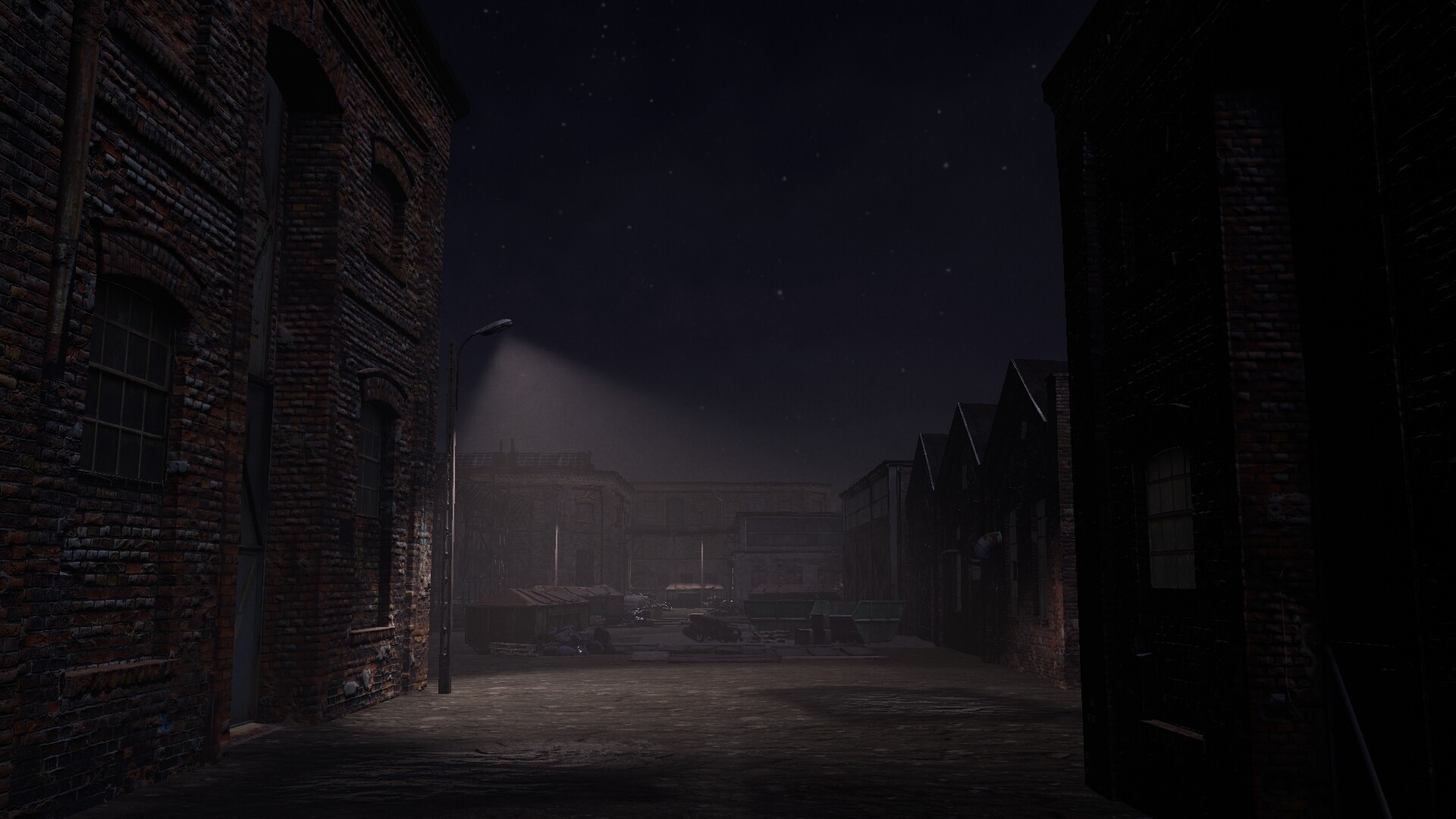
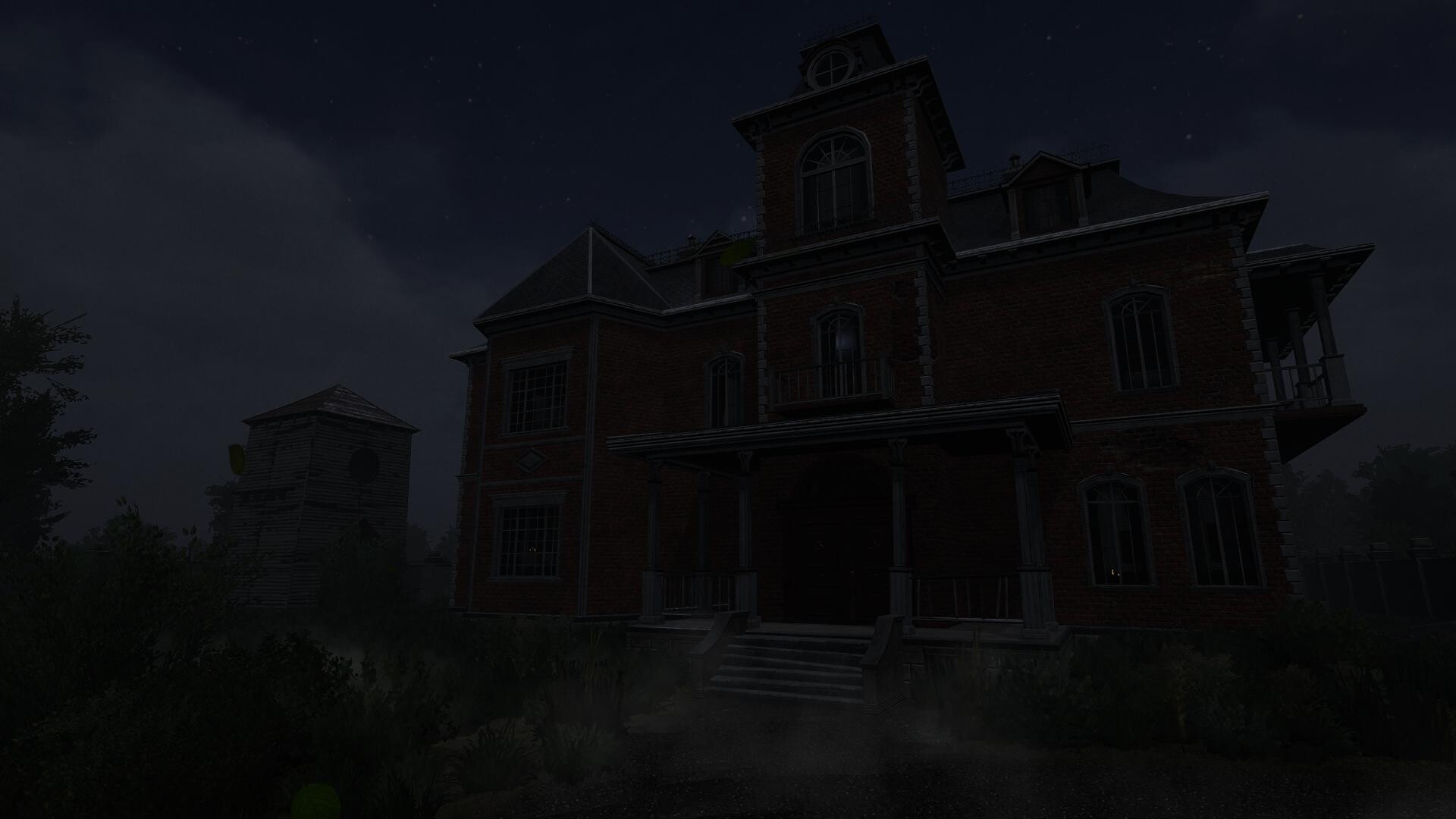
The Steam description frames Trace of the Villa as a personal investigation: Jin follows a lead to a deliberately forgotten estate where objects and systems suggest controlled, erased lives. The house reacts when power is restored — secured systems and hidden compartments open up, safes yield fragments, and a financial and identity trail begins to appear. Based on the official text, expect a narrative puzzle approach where forensic detail (documents, encrypted fragments, transfer records) is part of the mystery rather than purely action-driven combat.
When and where
Trace of the Villa is available on Steam (release date: 28 May, 2026). The Steam page lists developer and publisher as Steadyturtle Co., Ltd., and standard single-player accessibility categories such as subtitle options and custom volume controls are present on the store listing.
Why the theme matters
The game’s premise — absence treated like erasure and a mansion that seems “less abandoned than erased” — suggests an emphasis on atmosphere and inference. For players who appreciate environmental storytelling that uses mundane artifacts (ledgers, manifests, secured systems) to infer larger conspiracies, the setting supports slow escalation rather than immediate shocks. That tone affects how clues are presented: you’re reading systems and records for meaning rather than just solving isolated mechanical puzzles.
How you read clues and progress
The Steam-facing description indicates progression comes from restoring estate systems, unlocking hidden compartments, and decoding fragments recovered from safes and secured systems. That suggests a puzzle design leaning on logical assembly of documentary evidence and environmental triggers rather than timed reflex challenges — consistent with the store tag “Playable without Timed Input.” Players who enjoy methodical reconstruction of events from documents and devices are the intended fit.
Who this is for — specific player scenarios
- Working through slow-burn mysteries: You prefer atmospheric builds where tension arises from discovery and inference rather than constant jump scares.
- Investigation-by-evidence players: If you like piecing together timelines from ledgers, encrypted fragments and system logs, this aligns with that investigative loop.
- Mansion mystery fans: You enjoy layered rooms and exploration that reveal social and administrative structures behind disappearances.
- Accessibility-minded players: The Steam listing includes subtitle options, custom volume controls, color alternatives, and an explicit “Playable without Timed Input” tag.
- Less ideal if you want instant-action horror: The emphasis is on narrative puzzle progression, not relentless combat or twitch mechanics.
How Trace of the Villa compares to nearby mystery/adventure titles
Below is a lawful editorial comparison by tone, pacing, clues, and exploration — intended to help you decide whether Trace of the Villa aligns with tastes cultivated by other atmospheric mystery games.
| Title | Genre / Tone | Primary puzzle/clue focus | Exploration style | Pacing | Player fit |
|---|---|---|---|---|---|
| Trace of the Villa | Action / Adventure / Indie — mansion mystery, investigative | Documentary evidence, secured systems, safes, encrypted fragments (official description) | Room-to-room mansion exploration with reactive systems when power is restored | Slow-burn, investigative escalation | Players who like narrative puzzle design and environmental storytelling |
| Amnesia: The Dark Descent | Action / Adventure / Indie — immersive survival horror | Environmental horror, survival-driven puzzles and atmosphere (immersion & discovery) | First-person exploration with physics and hiding mechanics | Intense, tension-heavy with survival elements | Players who want immersion and dread with survival mechanics |
| SOMA | Action / Adventure / Indie — sci-fi horror | Philosophical narrative puzzles, audio logs and environmental clues | Underwater facility exploration; scripted encounters and story beats | Measured, reflective with episodic spikes of threat | Players who want story-led horror with existential themes |
| Layers of Fear (2016) | Adventure / Indie — psychological horror in a Victorian manor | Surreal environmental puzzles and narrative reveals tied to the protagonist’s psyche | Shifting mansion spaces, puzzle rooms that alter perception | Psychological, variable pacing that leans on atmosphere | Players who like unreliable environments and narrative fragmentation |
| The Room | Adventure / Indie — tactile puzzle box experience | Mechanical, object-based puzzles focused on a single, layered device | Contained, puzzle-room exploration rather than wide-roamingYouTube discoveryFor trailer and gameplay discovery, use YouTube search rather than relying on unverified embeds: Find Trace of the Villa trailer and gameplay searches on YouTube. CommentsMore posts |
Leave a Reply