
Trace of the Villa — an atmospheric mystery adventure built around one man’s search
Jin has spent years chasing a single lead for his missing sister; it finally points to a remote, decaying mansion where recovered manifests and encrypted fragments suggest she may still be alive. Trace of the Villa frames that missing-person stake inside a slow-burn, clue-driven exploration that stitches investigation, restoration, and environmental storytelling together.


| Title | Trace of the Villa |
|---|---|
| Release date | 28 May, 2026 |
| Developer | Steadyturtle Co., Ltd. |
| Publisher | Steadyturtle Co., Ltd. |
| Genres | Action, Adventure, Indie |
| Categories (Steam) | Single-player; Color Alternatives; Custom Volume Controls; Playable without Timed Input; Subtitle Options; Family Sharing |
| Steam AppID / Store | 3483660 — Trace of the Villa on Steam |
Who is this for?
Players who prefer narrative-motivated investigation over fast action: you want a protagonist with a personal stake (Jin searching for his missing sister), and you enjoy slow-burn suspense that rewards careful reading of the environment. If you like atmospheric mystery adventure, environmental storytelling, and puzzle moments that unlock pieces of a larger conspiracy rather than combat-first gameplay, this title fits your lane.
What the game is
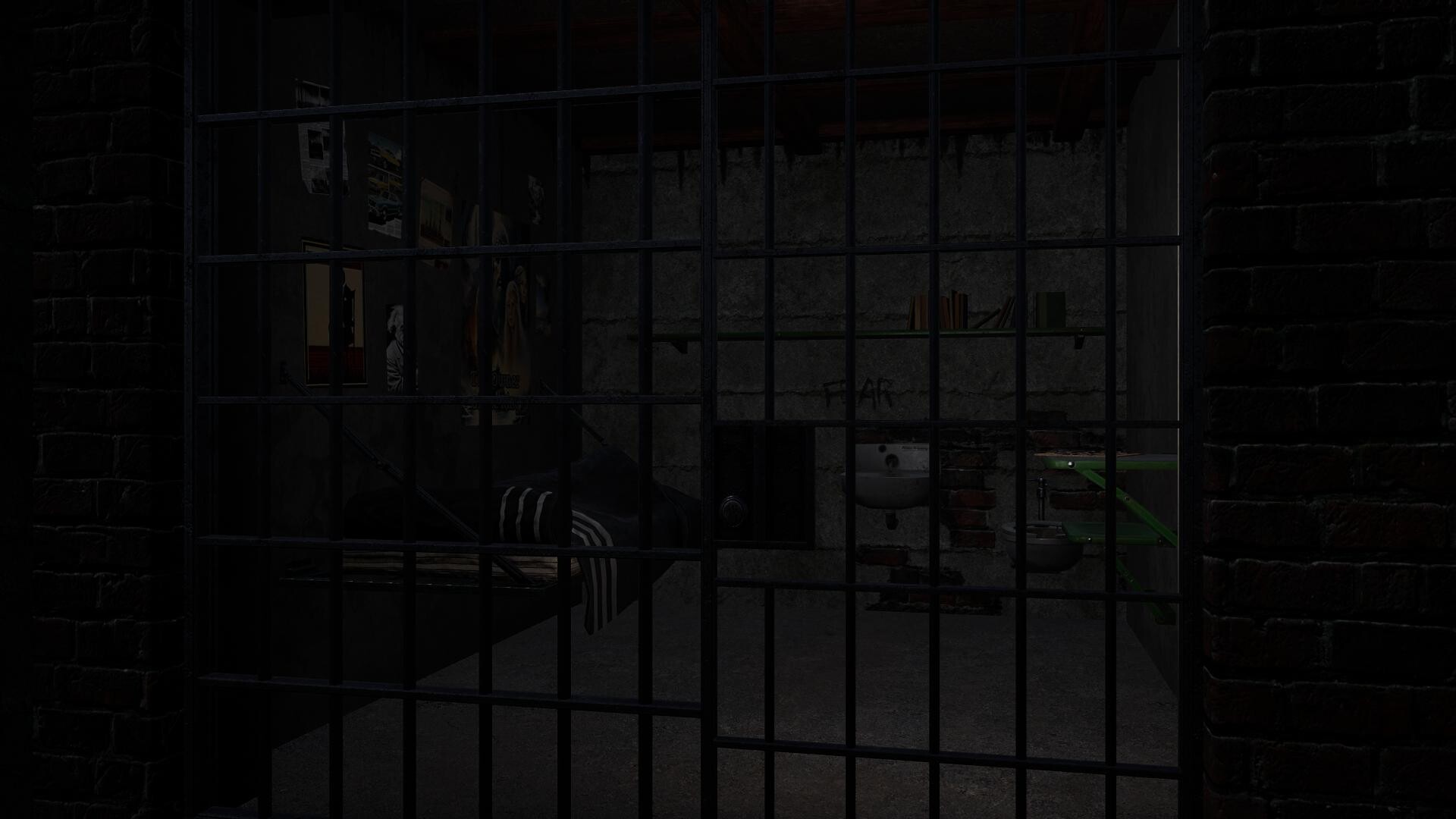
Trace of the Villa is an action-adventure indie that casts you as Jin, following leads to a deliberately forgotten estate. The official description frames the mansion as a site of erased identities and controlled movements: furnished rooms that imply mid-routine disappearance, locked systems, safes, encrypted documents, and manifests that together reveal a hidden operation. The narrative is clue-driven: restore power, access secured systems, and assemble the timeline.
When and where
The game released on 28 May, 2026 and is available on Steam. Developer and publisher are Steadyturtle Co., Ltd. The Steam page lists the game under Action / Adventure / Indie and includes accessibility and comfort options such as subtitle options, color alternatives, and controls that make it playable without timed input.
Why the missing-person stakes matter
Games that orient around a single missing-person stake change the player’s reading of every detail. In Trace of the Villa the missing sister is the engine that makes minor discoveries feel consequential: a ledger entry, a transfer record, or a room left mid-routine becomes evidence rather than set dressing. That framing pushes the game toward focused investigation rather than aimless exploration, and it orients puzzle design around verification and chronology instead of abstract set-pieces.
How you read clues and progress
The official description specifies several mechanics that shape progression: restoring power to the estate, reactivating secured systems, unlocking hidden compartments, and decrypting fragments from safes and documents. Progress appears to come from assembling financial trails, falsified identities, and manifests into a coherent timeline. Expect a loop of exploration → restore/access → decode/read → piece together a new lead.
Player scenarios — who will enjoy the loop
- The slow-burn detective: You enjoy pacing that lets you linger in rooms and follow tangential clues until they collapse into a clearer picture. The mansion’s “erased” feel turns investigation into the main reward.
- The environmental storyteller: You read everything as a clue — furniture, systems, and missing photographs speak as loudly as notes and manifests for you.
- The puzzle-first mystery fan: You like puzzles tied to story beats: decrypting documents and restoring systems to unlock the next narrative layer rather than isolated riddles.
- The mood player: You gravitate to games that trade jump scares for slow dread and psychological tension anchored to a single human story.
| Title | Primary focus | Story structure | Pacing / Tone | Puzzle vs. Exploration |
|---|---|---|---|---|
| Trace of the Villa | Missing-person investigation in a decaying mansion | Clue-driven, timeline assembly via restored systems and documents | Slow-burn, atmospheric, psychological tension | Exploration tied to document decryption and system reactivation |
| Inscryption | Card-based odyssey with escape-room puzzles | Layered meta-narrative revealed through cards and puzzles | Dark, unsettling, often aggressive in tone | Card mechanics as puzzles; escape-room style beats |
| Outer Wilds | Solar-system mystery and open-world discovery | Player-directed loop that reveals a single mystery over time | Curious, exploratory, gradually existential | Exploration-first; puzzles emerge from environment and systems |
| Journey | Emotional exploration through ruins and landscapes | Wordless, experiential narrative | Poetic, contemplative, minimalist | Exploration and atmosphere over puzzles |
| The Forgotten City | Narrative time-loop mystery with ethical stakes | Structured around rewinding time to test outcomes | Tense, moral, investigative | Puzzle and narrative combined; choices impact discovery |
| The Medium | Psychological investigation across real and spirit realms | Parallel-reality storytelling revealing trauma and secrets | Haunting, introspective | Puzzles often framed by dual-reality mechanics and exploration |
YouTube discovery
Want a sense of pacing and visuals? Search for trailers and gameplay footage here (use as a discovery path; not all videos are official): YouTube search: Trace of the Villa trailer gameplay.
Visit Trace of the Villa on Steam
Referenced titles and trademarks belong to their respective owners. Comparisons above are editorial discovery only and do not imply endorsement or official connection.
Leave a Reply