
Trace of the Villa — why environmental dread and uncertainty matter more than shocks
Trace of the Villa leans on silence, forbidding room layouts, and slow-burn investigation to generate tension rather than jump scares. Its strength is atmosphere: a remote, decaying mansion that feels deliberately erased, where the absence of identity is itself a puzzle.

Quick facts
| Title | Trace of the Villa |
|---|---|
| Steam appid | 3483660 |
| Release date | 28 May, 2026 |
| Developer / Publisher | Steadyturtle Co., Ltd. |
| Genres | Action · Adventure · Indie |
| Categories | Single-player · Color Alternatives · Custom Volume Controls · Playable without Timed Input · Subtitle Options · Family Sharing |
| Short premise | Jin has spent years searching for his missing sister, pursuing leads that took him to a remote, decaying mansion where he recovered manifests and hints that indicate his sister may still be alive. |
Who this is for
If you prefer psychological investigation and atmospheric mystery to twitch reflex scares, Trace of the Villa is aimed at you. Players who enjoy clue-driven exploration, environmental storytelling, and puzzles that reveal narrative layers — rather than combat or timed panic mechanics — should consider wishlisting it.
What the game is (and what it isn’t)
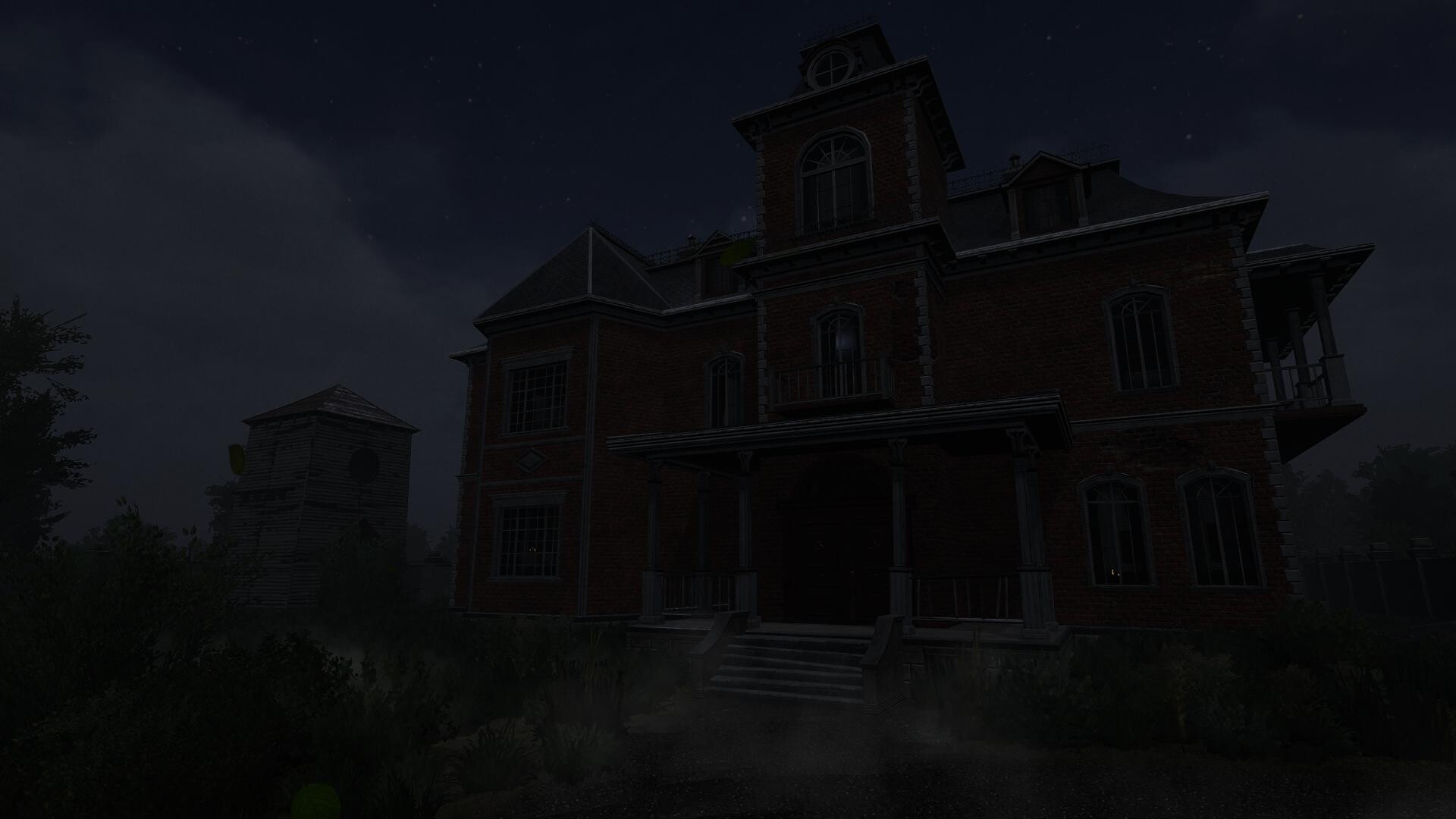
Trace of the Villa places a protagonist, Jin, inside a deliberately forgotten mansion where rooms look lived-in yet devoid of identity. According to the official Steam description, restoring power and inspecting the estate uncovers secured systems, hidden compartments, and safes that yield fragments of encrypted documents and suspicious transfer records. The design emphasizes piecing together a concealed operation through manifests and evidence, so expect exploration and puzzle-based progress tied closely to narrative discovery.
When and where
Trace of the Villa released on Steam on 28 May, 2026. It is published and developed by Steadyturtle Co., Ltd. The Steam page lists typical accessibility options such as subtitles, color alternatives, and controls suitable for players who prefer non-timed inputs.
Why quiet tension, unsettling rooms and erased identity matter
Environmental dread comes from what a space implies rather than what suddenly appears. Rooms that are “frozen mid-routine,” missing photographs or names, and furniture left as if occupants vanished create a persistent cognitive dissonance: a player keeps expecting logic to return and it never quite does. Trace of the Villa uses that absence as a storytelling tool. Restoring power and finding institutional traces—encrypted files, falsified identities, and transfer records—turns silence into a slow, accumulating threat. That shift from silence to revelation rewards attentive observation and makes the next discovery hit harder precisely because tension was cultivated over time.
How progression and investigation work
The official description outlines concrete investigative beats: Jin recovers manifests and hints, restores power to the estate, and uses newly powered systems and unlocked compartments to access further evidence. Progress is achieved by reading environmental clues, solving puzzles that open locked areas, and assembling fragments of encrypted documents and suspicious records to reconstruct timelines of arrivals, departures, and masked movements. The listed Steam categories — especially “Playable without Timed Input” and “Subtitle Options” — suggest deliberate pacing and accessibility for players who take time to read and puzzle through the estate’s secrets.
Comparison — where Trace of the Villa sits among slow-burn psychological horror
Editorial comparison focused on genre, atmosphere, puzzle emphasis, exploration style, story tone, and pacing.
| Title | Release year | Core emphasis | Tone | Pacing / Player fit |
|---|---|---|---|---|
| Amnesia: The Dark Descent | 2010 | Immersive first‑person survival and discovery | Relentless dread, body‑horror atmosphere | Slow-building tension with resource/stealth stress |
| SOMA | 2015 | Sci‑fi horror with existential narrative focus | Melancholic, philosophical unease | Exploration and dialogue‑driven discovery, quiet except for narrative reveals |
| Layers of Fear (2016) | 2016 | Psychological, ever‑shifting mansion exploration | Surreal, artistic madness | Atmosphere and changing environments; more surreal puzzle beats |
| Poppy Playtime | 2021 | Horror/puzzle adventure in an abandoned facility | Playful-to-menacing, toy‑factory dread | Puzzle tools and setpieces; mixes tension with sharper setpiece moments |
Player scenarios — decide if this is your style
- You enjoy reading every note, toggling power, and opening safes to assemble a timeline — wishlist this if you prefer clue-driven exploration over combat.
- You appreciate unsettling room design (missing photos, furniture left mid‑use) that creates low-frequency dread rather than sudden frights — this fits that taste.
- You like slower pacing and puzzle investigation that rewards patient attention — the Steam categories indicate accessibility for that approach, including “Playable without Timed Input.”
- If you crave frequent jump scares or fast action, this may not match expectations; Trace of the Villa trades immediate shocks for environmental accumulation.
YouTube discovery
If you want trailers or gameplay clips, use this YouTube search path (search results; not an endorsement of any single video): Search Trace of the Villa trailers and gameplay on YouTube.
Steam link and next step
Interested players can view the Steam page and wishlist: Trace of the Villa on Steam
Referenced titles and trademarks belong to their respective owners. Comparisons in this article are editorial discovery only and not claims of endorsement or superiority.
Leave a Reply