
Trace of the Villa: how locked-room logic, clue chains, and environmental reading drive the mystery
Trace of the Villa puts you in Jin’s shoes as he follows cold leads into a remote, decaying mansion and pieces together manifests, encrypted fragments, and hushes of erased lives. Released on 28 May, 2026 and developed and published by Steadyturtle Co., Ltd., the game blends action-adventure framing with escape-room style, clue-driven exploration that favors methodical, non-timed investigation.

Who this is for
Players who prefer slow-burn suspense and environmental storytelling over reflex-based action: those who like to read rooms, stitch together clue chains, and treat each unlocked compartment as a chapter in a larger timeline. Because Trace of the Villa is listed under Action, Adventure, and Indie and includes categories such as Single-player, Playable without Timed Input, and Subtitle Options, it targets solo PC players who want story-first mystery with accessibility for non-speed runs.
What the game is
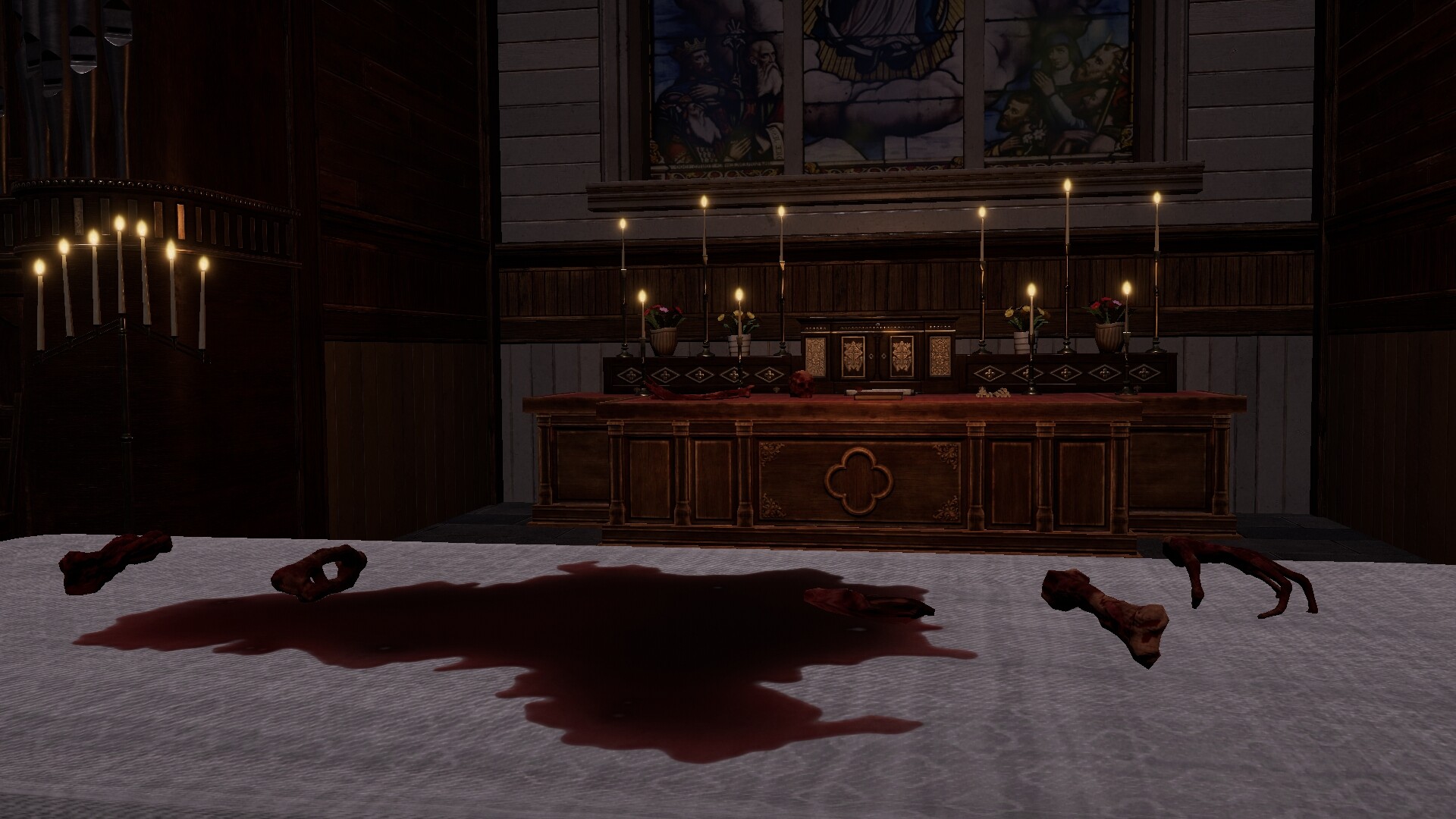
Official short description: “Jin has spent years searching for his missing sister, pursuing leads that took him to a remote, decaying mansion where he recovered manifests and hints that indicate his sister may still be alive, somewhere at the end of the trail he is about to follow.” The fuller Steam description frames the mansion as a place whose occupants appear to have been erased — furnished rooms, locked doors, hidden compartments, and fragments of encrypted documents and suspicious transfer records. Mechanically, the experience is puzzle-forward: restore power, unlock safes, and follow financial and identity clues that suggest something systematized and deliberately concealed.
When and where
Trace of the Villa released on 28 May, 2026 and is available on Steam for PC. The store page lists standard Steam storefront discovery elements and the game is presented with official assets and screenshots on its Steam listing.
Why the theme matters
The mansion-as-archive conceit reframes common escape-room mechanics into investigative momentum: every solved safe or restored circuit doesn’t just open a door, it re-weights the narrative timeline. When puzzles are tied to manifests, falsified identities, and transfer records, each object clue functions as both a mechanical gate and a piece of forensic storytelling — a design choice that rewards players who read objects as evidence rather than mere keys.
How you read clues and progress
Progress in Trace of the Villa is built on chains of inference: examine environments to find fragments, use recovered manifests to verify names or dates, restore systems to reveal locked caches, then translate those caches into new leads. Because the Steam categories emphasize “Playable without Timed Input,” the game allows patient, methodical investigation — ideal for players who map connections on paper, catalogue evidence, or follow a branching chain of puzzles where one discovery spurs the next.

Compact facts: Trace of the Villa
| Title | Trace of the Villa |
|---|---|
| Steam appid | 3483660 |
| Developer / Publisher | Steadyturtle Co., Ltd. |
| Release date | 28 May, 2026 |
| Genres | Action · Adventure · Indie |
| Key Steam categories | Single-player; Color Alternatives; Custom Volume Controls; Playable without Timed Input; Subtitle Options; Family Sharing |
| Core premise | Jin searches for his missing sister in a remote, decaying mansion; manifests and hints suggest she may still be alive. |
How Trace of the Villa compares — quick reference
Below is a focused editorial comparison on lawful criteria: genre, atmosphere, puzzle focus, exploration style, story tone, and pacing.
| Title | Genre / Release | Atmosphere & Puzzle Focus | Exploration & Pacing |
|---|---|---|---|
| The Room | Adventure / Indie — 28 Jul, 2014 | Tactile locked-box puzzles; claustrophobic, mechanical mystery. | Single-room, puzzle-led progression; tight, deliberate pacing. |
| The Room Two | Adventure / Indie — 5 Jul, 2016 | Similar locked-object puzzles with broader locales; richly tactile. | Expands scope while keeping puzzle-driven progression; methodical pace. |
| Escape Simulator | Adventure / Casual / Indie — 19 Oct, 2021 | Highly interactive escape rooms; sandbox interaction and object physics. | Room-to-room, often faster puzzle loops; supports solo or co-op play. |
| Hi‑Fi RUSH | Action — 25 Jan, 2023 | High-energy, rhythm-synced combat and spectacle (different tone). | Fast-paced action rather than investigative pacing. |
| Football Manager 2022 | Simulation / Sports — 9 Nov, 2021 | Strategic management systems (non-narrative, non-puzzle focused). | Slow-burn strategic planning rather than environmental puzzle chains. |
Player scenarios — who should wishlist this
- Investigator players: you catalogue evidence and enjoy connecting fragments into a timeline; the mansion’s manifests and encrypted records are primary rewards.
- Environmental readers: you prefer storytelling told through objects and arranged rooms rather than cutscenes; Trace of the Villa foregrounds recovered personal items and hidden compartments.
- Puzzle-chain enthusiasts: you like multi-step solutions where one solved device reveals the next lead; the game’s progression ties mechanical puzzles to narrative reveals.
- Accessibility-minded single-player fans: categories like Playable without Timed Input
Steam page
View Trace of the Villa on Steam
YouTube discovery
For trailer and gameplay discovery, use YouTube search rather than relying on unverified embeds: Find Trace of the Villa trailer and gameplay searches on YouTube.
Leave a Reply