
Trace of the Villa — why quiet dread and the psychology of an empty mansion matter more than shock claims
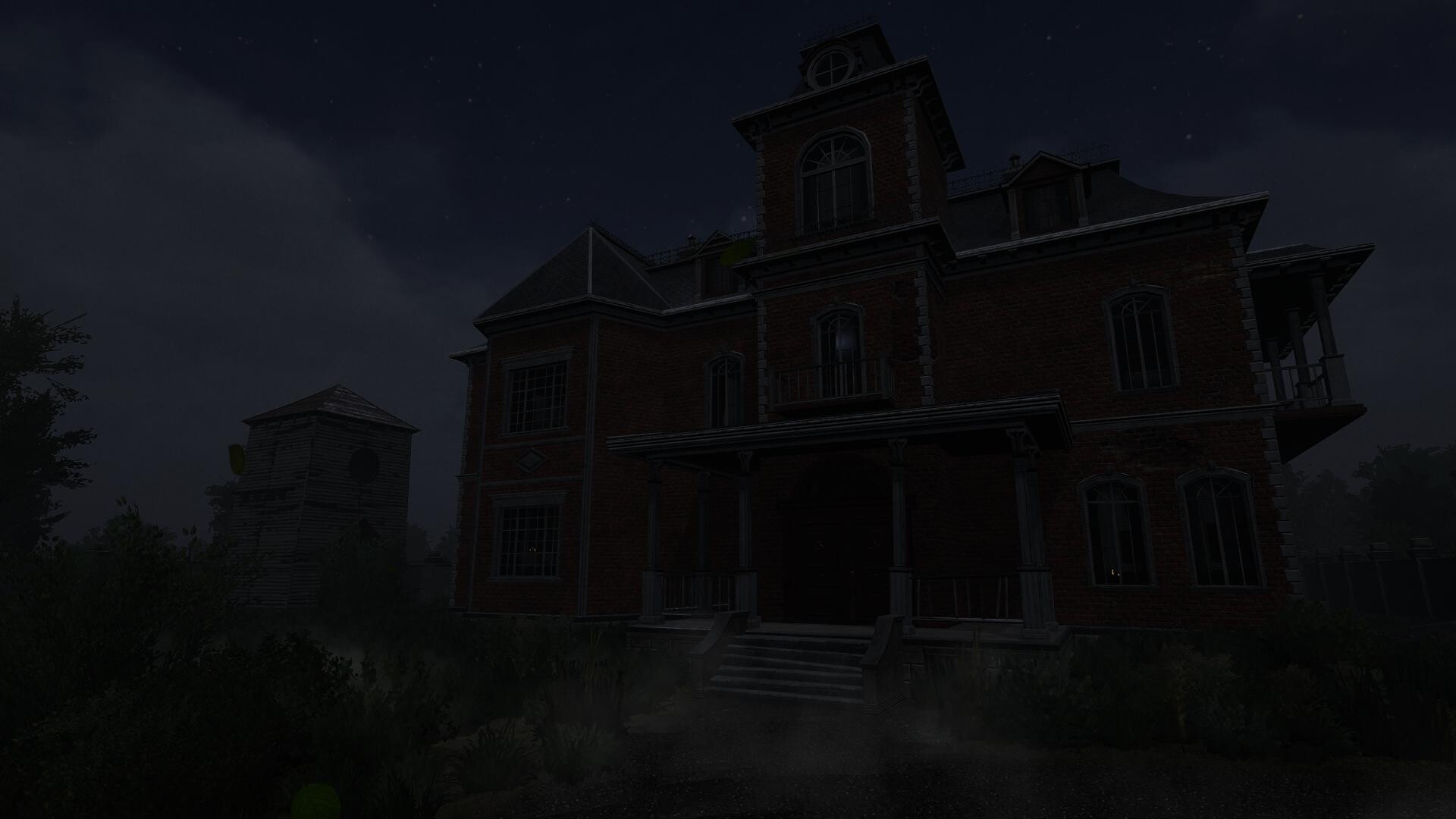
Trace of the Villa leans into slow-burn suspense: a decaying, deliberately forgotten mansion, hush-filled rooms and fragmentary evidence that coax meaning from absence. Released on 28 May, 2026 by Steadyturtle Co., Ltd., the game frames Jin’s search for a missing sister as a procedural, psychological investigation where every powered circuit and unlocked safe shifts the house’s quiet into implication.

Quick facts
| Title | Trace of the Villa |
|---|---|
| Steam AppID | 3483660 |
| Release date | 28 May, 2026 |
| Developer | Steadyturtle Co., Ltd. |
| Publisher | Steadyturtle Co., Ltd. |
| Genres | Action, Adventure, Indie |
| Categories | Single-player; Color Alternatives; Custom Volume Controls; Playable without Timed Input; Subtitle Options; Family Sharing |
| Short premise | Jin follows leads to a remote, decaying mansion where manifests and hints suggest his sister may still be alive at the end of the trail. |
What Trace of the Villa is (and what it isn’t)
The official description frames the game as a story-rich, atmospheric mystery adventure: Jin arrives at an estate “cut off from the grid,” discovers furnished rooms emptied of personal history, and slowly restores systems that unlock encrypted documents, hidden compartments and financial traces. The emphasis is on environmental storytelling and clue-driven exploration — the mansion actively withholds identity and motive until the player reactivates the house’s quiet systems.
Who should wishlist this on Steam?
- Players who prefer slow-burn psychological investigation and environmental storytelling over constant shocks.
- Those who enjoy puzzle-led narrative progression — restoring power, decrypting fragments and tracing falsified identities fits players who like piecing timelines together.
- Fans of single-player, story-focused indie adventures who value atmosphere, subtle implication and a mansion mystery tone.
- Players who need accessibility options: the Steam page lists subtitle options, custom volume controls, color alternatives and playable-without-timed-input features.
When and where
Trace of the Villa is available on Steam, released 28 May, 2026. The Steam page lists developer and publisher as Steadyturtle Co., Ltd., and the game’s Steam AppID is 3483660 for direct linking and discovery.
How you progress — the mechanics of reading an empty house
Official text makes the progression clear in tone if not in granular mechanics: exploration reveals rooms that look as if their occupants vanished mid-routine; restoring power causes secured systems to come back online; safes and hidden compartments yield encrypted fragments and suspicious transfer records. Progress is therefore an act of reactivation and interpretation — flipping circuits and decoding documents converts absence into a timeline you can slot clues into. That clue-driven loop places a premium on listening, inspection and methodical puzzle solving.

Why quiet tension and uncertainty matter more than shock claims
Psychological dread grows when players are left to imagine what the house doesn’t show. Trace of the Villa’s core conceit — rooms furnished but stripped of names, records that lead nowhere, arrivals without witnesses — trades the immediacy of jump-scares for prolonged cognitive unease. When a locked door or a corrupted document finally yields an answer, that reveal carries weight because the game has asked you to assemble motive and timeline yourself. In design terms, this is a slow accumulation of meaning: the emptiness is the mechanic.
Comparison — where Trace of the Villa sits among slow-burn and psychological titles
| Title | Release | Core focus | Atmosphere | Puzzle / Exploration | Pacing / Tone |
|---|---|---|---|---|---|
| Trace of the Villa | 28 May, 2026 | Clue-driven mansion mystery; investigation via restoring systems | Decaying, erased-identity mansion; quiet dread | Environmental puzzles, safes, encrypted fragments | Slow-burn, methodical, investigative |
| Amnesia: The Dark Descent | 8 Sep, 2010 | First-person survival horror; immersion and discovery | Claustrophobic, dread-heavy | Exploration with survival elements | Tense, often terrifying; reactive to player fear |
| SOMA | 21 Sep, 2015 | Sci‑fi horror exploring consciousness and existence | Isolated, maritime, existential | Exploration with narrative puzzles and sci-fi systems | Atmospheric, philosophical, steadily unsettling |
| Layers of Fear (2016) | 15 Feb, 2016 | First-person psychological horror focused on storytelling | Shifting Victorian mansion; painter’s madness | Environmental puzzles woven into changing spaces | Surreal, atmospheric, psychologically disorienting |
| Poppy Playtime | 12 Oct, 2021 | Horror/puzzle adventure set in an abandoned toy factory | Playful-yet-threatening factory spaces | Puzzle tools (e.g., GrabPack) used to interact and traverse | Adventure-driven with set-piece encounters |
Short takeaway: if you prize slow accumulation of dread, investigative puzzle loops and environmental storytelling inside a single-player mystery, Trace of the Villa targets that lane rather than arcade jump-scare thrills. If you prefer direct survival mechanics or constant reactive threats, neighboring titles offer clearer alternatives.
Player scenarios — who will enjoy the mansion
- The methodical detective: You like reading logs, piecing timelines and returning to the same room with new context. Trace of the Villa’s encrypted fragments and restored systems are designed to reward patient reconstruction.
- The atmosphere-first player: You value tone, lighting and silence as narrative tools. The mansion’s emptied personal histories are the game’s primary language.
- The puzzle storyteller: You want puzzles that move the narrative forward — safes and hidden compartments should not be obstacles but sources of story.
- The jump-scare seeker: If you mainly want constant scares or survival-pressure, consider neighboring titles that foreground immediate threat; Trace of the Villa favors implication over constancy.
YouTube discovery
Looking for trailers or gameplay clips? Use this YouTube search to find gameplay footage and trailers: View Trace of the Villa on Steam
YouTube discovery
For trailer and gameplay discovery, use YouTube search rather than relying on unverified embeds: Find Trace of the Villa trailer and gameplay searches on YouTube.
Leave a Reply