
Trace of the Villa — how puzzle mechanics reveal story evidence without spoiling the mystery
Trace of the Villa casts you as Jin, a lone investigator following frayed leads into a remote, decaying mansion where manifests, encrypted records and locked compartments hint that his missing sister may still be alive. The game uses environmental puzzles and object-driven clues to layer evidence slowly, so the player assembles the narrative from fragments rather than being told the whole story at once.

Who this is for
Players who like slow-burn suspense, environmental storytelling, and detective-style puzzle work will find the premise appealing. The Steam page lists Trace of the Villa as Action / Adventure / Indie and marks it Single-player, with accessibility options such as Color Alternatives, Custom Volume Controls, Playable without Timed Input, and Subtitle Options — helpful signals for players who prefer deliberate, readable puzzles rather than twitch-focused encounters.
What the game is
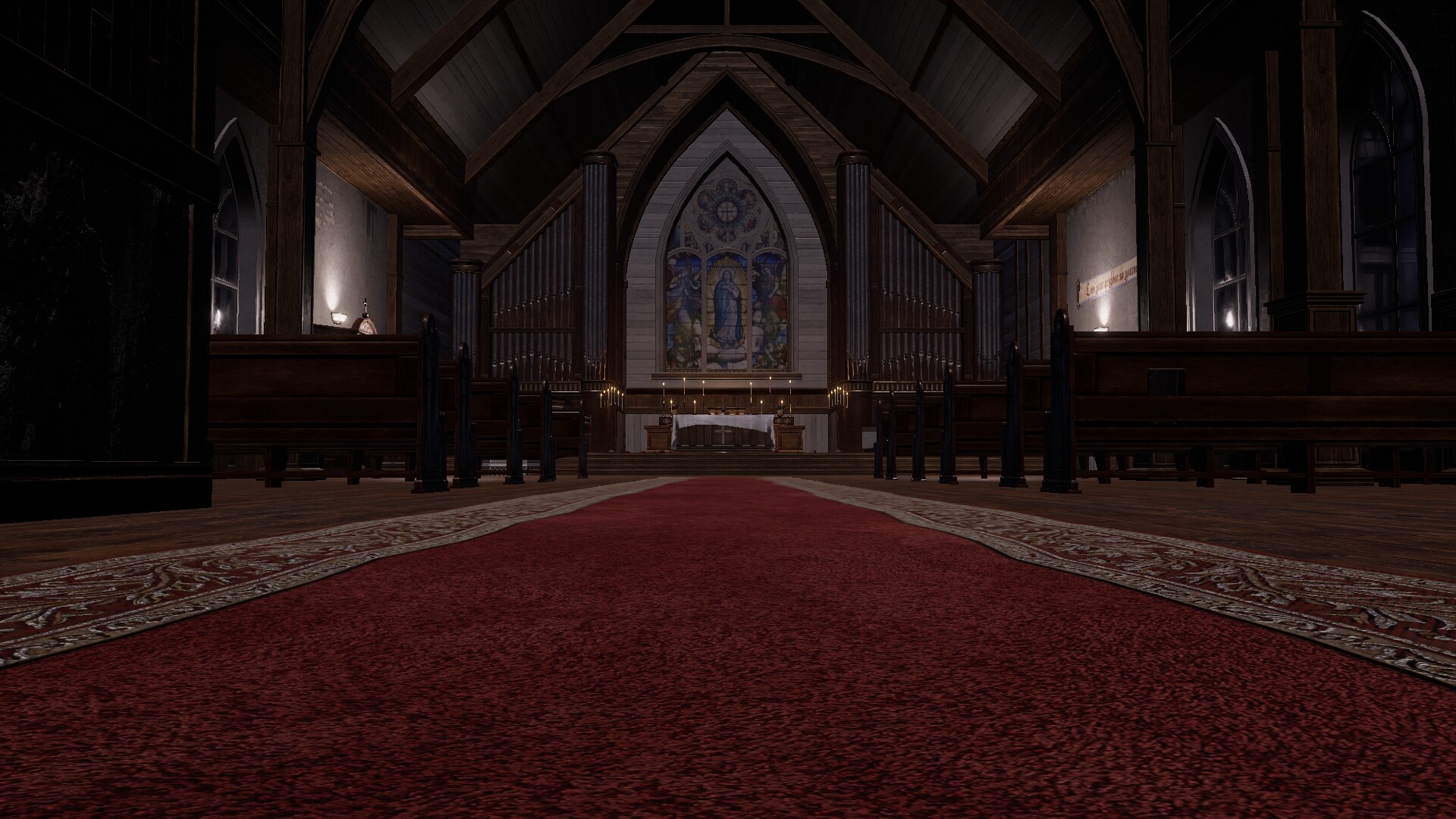
Trace of the Villa is an investigation-driven adventure in which protagonist Jin explores a property “cut off from the grid” and recovers manifests and hints implying his missing sister may still be alive. The official description emphasizes a mansion that feels “less abandoned than erased” — rooms set mid-routine, locked doors, and objects left in place — and a progression where restored systems and hidden compartments reveal encrypted documents and suspicious transfer records. The developer and publisher are Steadyturtle Co., Ltd., and the game released on 28 May, 2026.
When and where
Trace of the Villa is listed on Steam with a release date of 28 May, 2026. The Steam store presence includes multiple official screenshots and the header art above; use the Steam page to wishlist or follow updates.
| Title | Trace of the Villa |
|---|---|
| Developer / Publisher | Steadyturtle Co., Ltd. |
| Release date | 28 May, 2026 |
| Genres | Action, Adventure, Indie |
| Notable categories | Single-player; Color Alternatives; Custom Volume Controls; Playable without Timed Input; Subtitle Options; Family Sharing |
| Official short premise | “Jin has spent years searching for his missing sister… recovered manifests and hints that indicate his sister may still be alive.” |
| Steam page | Open Trace of the Villa on Steam |
How the puzzles shape the story (without spoilers)
Trace of the Villa’s description makes clear how puzzles are used as evidentiary devices rather than simple obstacles: restoring power reactivates secured systems, hidden compartments and safes yield partial, sometimes encrypted documents, and manifests plus suspicious transfer records form a web of lead-threads. That design philosophy turns each solved puzzle into a piece of evidence — a timestamp, a name alteration, a ledger entry — that players must cross-reference mentally to build a timeline.
In practice this means the game emphasizes “reading” objects: a manifest entry paired with a transfer receipt might shift a theory about who passed through the house; a recovered device that boots when power is restored can expose a log fragment that reframes a previous discovery. Because the official description repeatedly stresses fragments, encryption and falsified identities, expect the narrative to arrive incrementally through items and systems rather than through large expository cutscenes.
Why that approach matters
Puzzle mechanics that reveal evidence rather than explicit answers reward attention to context and logical inference. For players who enjoy assembling a story from small, verifiable clues — correlating dates, cross-checking names, and deducing motive from objects — this creates a satisfying investigative rhythm. It also preserves the mystery: progress is rewarded with new, partial information that invites more interpretation rather than summarily resolving questions.

Player scenarios — who should wishlist this
- Slow-burn detectives: If you prefer games that expect you to assemble a narrative from fragments and value methodical clue-reading, Trace of the Villa’s evidence-first pacing fits well.
- Environmental-storytelling fans: Players who enjoy learning about characters and events through objects, room staging and recovered files will appreciate the mansion’s “mid-routine” scenes noted on the Steam page.
- Accessibility-conscious players: The Steam listing highlights options like Playable without Timed Input and Subtitle Options, useful for those who want a contemplative experience without timers.
- Puzzle explorers who dislike spoilers: The game’s mechanics — hidden compartments, encrypted documents, restored systems — suggest the narrative emerges piecewise, preserving mystery for those who want to discover rather than be told.
How Trace of the Villa compares to nearby puzzle-adventure experiences
Below is a compact editorial comparison focused on puzzle focus, atmosphere, exploration style and pacing. These comparisons are descriptive: they identify differences in design and player fit rather than rank or endorse.
| Title | Genre / Core Puzzle Focus | Atmosphere & Story Tone | Exploration Style | Pacing / Player Fit |
|---|---|---|---|---|
| Trace of the Villa | Action / Adventure / Indie — clue-driven, object logic, encrypted records & manifests (per Steam page) | Atmospheric mansion mystery; erased identities and restrainedYouTube discoveryFor trailer and gameplay discovery, use YouTube search rather than relying on unverified embeds: Find Trace of the Villa trailer and gameplay searches on YouTube. CommentsMore posts |
Leave a Reply