
Trace of the Villa: a premise-first guide to the mansion mystery before you play
Jin has spent years searching for his missing sister, following a lead to a remote, decaying mansion where manifests and hints suggest she may still be alive. Trace of the Villa (Steadyturtle Co., Ltd.) leans into atmospheric mystery, slow-burn suspense, and clue-driven exploration — this guide explains the premise and the kinds of narrative curiosity the game sets up without spoiling outcomes.

Quick facts
| Title | Trace of the Villa |
|---|---|
| Steam AppID | 3483660 |
| Release date | 28 May, 2026 |
| Developer / Publisher | Steadyturtle Co., Ltd. |
| Genres | Action · Adventure · Indie |
| Categories (Steam) | Single-player, Color Alternatives, Custom Volume Controls, Playable without Timed Input, Subtitle Options, Family Sharing |
| Steam user reviews | No user reviews (as of launch data) |
Who is this for?
This is for players who prize atmosphere and environmental storytelling over immediate exposition: those who want to read fragments of a life from objects and documents, assemble a timeline from encrypted manifests, and feel the creep of a house that seems “erased” rather than simply abandoned. If you like slow-burn suspense, investigative pacing, and an exploration loop that rewards careful reading and puzzle-solving, Trace of the Villa is targeted at you.
What the game is (the official premise)
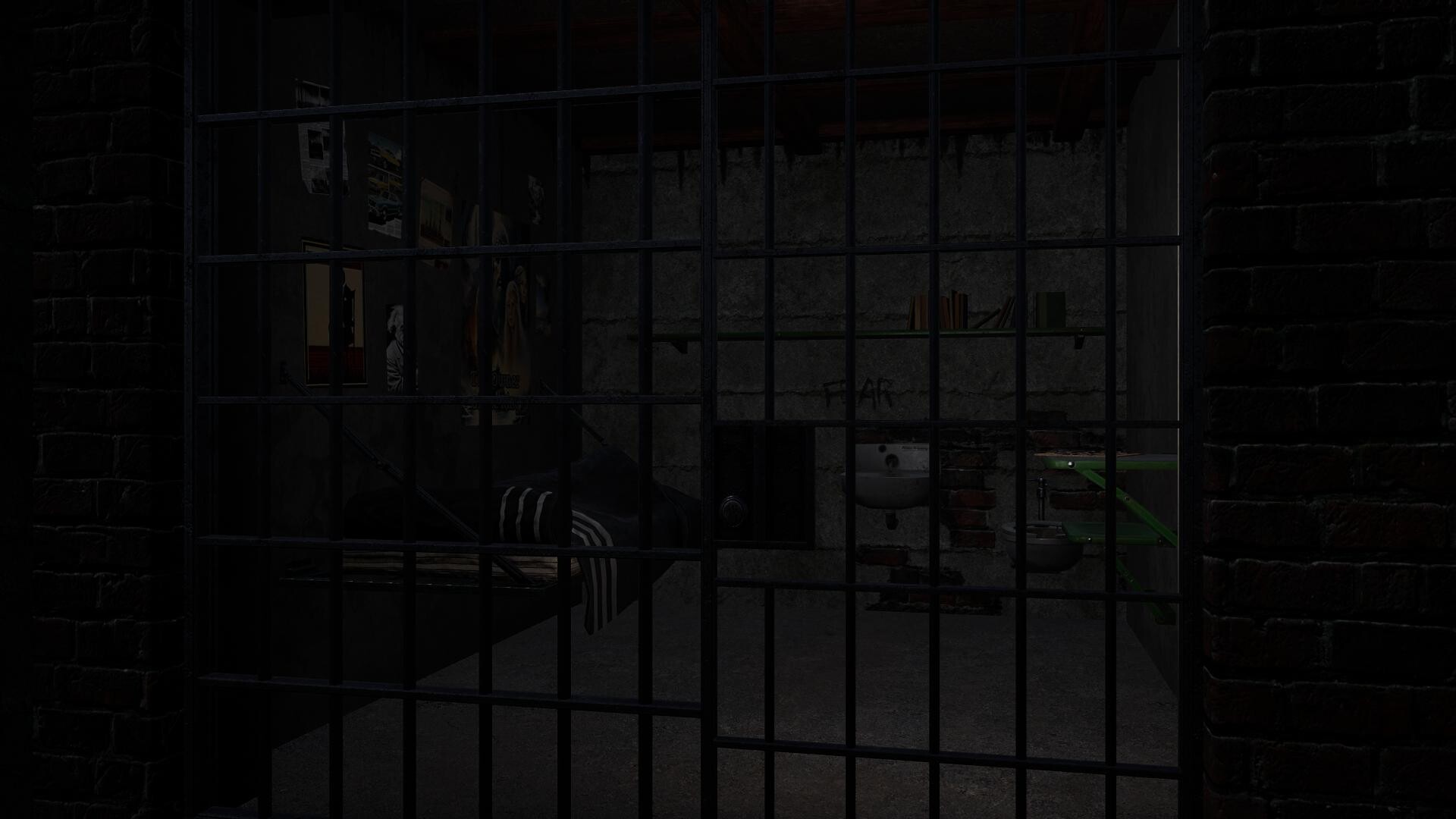
According to the Steam page, Jin’s search for his missing sister leads him to a remote mansion cut off from the grid. The house shows signs of recent occupancy but no typical identifiers — personal items remain while names, photographs, and histories are conspicuously absent. When Jin restores power, secured systems, hidden compartments, safes, encrypted documents, and suspicious transfer records start to surface, revealing a carefully concealed operation and a pattern of arrivals and departures masked by falsified identities.

When and where: Steam / PC context
Trace of the Villa launched on Steam on 28 May, 2026. It’s presented as an Action / Adventure indie on PC and lists Steam-focused accessibility and options such as subtitles, color alternatives, custom volume controls, playability without timed input, and family sharing — signposts that the developer expects a solo, contemplative audience on PC.
Why the theme matters: what narrative curiosity it sells
- Identity erased by design: the absence of names and photos immediately invites a player to treat each object as evidence rather than decoration.
- Institutional concealment beats supernatural shorthand: the official description points to falsified identities, suspicious transfers, and a “carefully concealed operation,” suggesting a conspiracy-style mystery rather than purely paranormal horror.
- Layered discovery: restoring power as a gameplay beat signals a shift from passive exploration to systems-based reveals — locked tech coming online, encrypted fragments unlocking the next thread.
How you read clues and progress (narrative systems implied by the premise)
Trace of the Villa frames progression as investigative momentum. Expect to gather manifests, encrypted documents, and system logs; restore power or systems to reveal new areas of inquiry; and solve environmental and inventory puzzles to unlock safes and hidden compartments. The descriptions emphasize piecing together a timeline and tracing financial or transfer records to connect the mansion to larger, concealed movements of people. In short: pay attention to documents, prioritize restoring systems, and let the mansion’s infrastructure guide the next clue.
Player scenarios: who should wishlist this
- The methodical reader: you enjoy reconstructing lives from scraps — manifests, mail, and logs give you more satisfaction than jump scares.
- The systems-minded explorer: restoring power and watching systems unlock new story nodes appeals to your investigative instincts.
- The atmosphere-first player: you want slow-burn suspense, moody interiors, and a mansion that tells a story through staged domestic details.
- The puzzle-adjacent adventurer: if you want puzzles that unlock documents and accounts rather than combat-heavy progression, this is a fit.
How Trace of the Villa compares — editorial context
Below is a concise comparison for readers sizing up tone, puzzle emphasis, and pacing against other narrative-driven indies. These are editorial observations based on each title’s public descriptions and reputations; they are meant to help you decide which experience matches your taste.
| Title | Genre / Atmosphere | Puzzle focus | Exploration style | Story tone / Pacing | Player fit |
|---|---|---|---|---|---|
| Trace of the Villa | Action · Adventure · Indie — mansion mystery, institutional concealment | Document-driven puzzles, locked systems, environmental safes | Focused, interior exploration of a single estate | Slow-burn, investigative, procedural reveals | Players who like clue-led mystery and atmosphere |
| Inscryption | Adventure · Indie · Strategy — dark, card-based | Puzzle and meta-puzzle design embedded in card mechanics | Layered, often confined scenes with escalating mystery | Psychological, increasingly surreal pacing | Players who enjoy systems that reveal narrative through mechanics |
| Outer Wilds | Action · Adventure — open, cosmic mystery | Puzzle and experimental problem-solving across environments | Open solar-system exploration with looping mechanics | Curiosity-driven, exploratory, emergent pacing | Players who prefer wide, systemic mystery and discovery |
| Journey | Adventure · Indie — meditative, visual exploration | Minimal puzzle
Steam pageView Trace of the Villa on Steam YouTube discoveryFor trailer and gameplay discovery, use YouTube search rather than relying on unverified embeds: Find Trace of the Villa trailer and gameplay searches on YouTube. CommentsMore posts |
Leave a Reply