
Trace of the Villa — Puzzle mechanics that let evidence breathe, without spoiling the story
Jin arrives at a remote, decaying mansion and finds manifests, locked systems, and fragments that suggest his missing sister might still be alive — Trace of the Villa stages its mystery through environmental puzzles that expose evidence rather than announcing conclusions. The design favors clue-reading, object logic, and story-driven puzzles that let players assemble a case piece by piece while preserving the game’s wider revelations.
Who this is for
Trace of the Villa (developer/publisher: Steadyturtle Co., Ltd.) will appeal to players who prefer atmospheric mystery adventure and puzzle-driven investigation over action spectacle. If you enjoy slow-burn suspense, careful observation of rooms and inventory, and piecing together a narrative from documents, locked systems, and restored devices, this is aimed at your tastes.
What the game is
Officially described as an Action / Adventure / Indie title, Trace of the Villa puts you in Jin’s shoes as he explores a deliberately forgotten estate. The mansion’s rooms feel “erased” rather than abandoned: furnishings remain, identities are stripped from records, and secured systems hide fragments of encrypted documents and suspicious transfer records. Puzzles are the medium by which the house returns its secrets to you.
When and where
Trace of the Villa released on 28 May, 2026 on Steam. The Steam store page lists standard PC-friendly features and accessibility-oriented categories including Single-player, Color Alternatives, Custom Volume Controls, Playable without Timed Input, Subtitle Options, and Family Sharing.

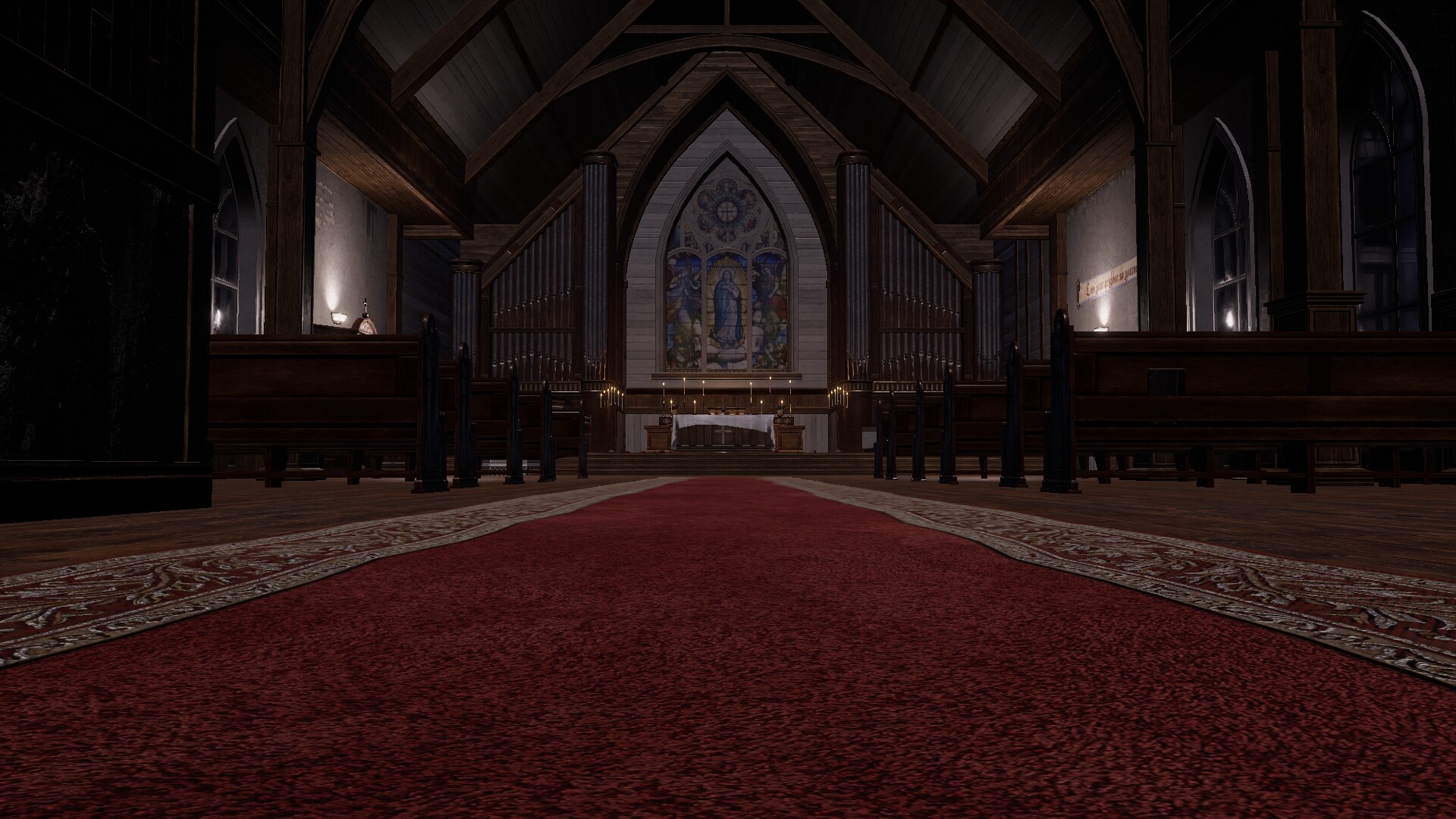

How the puzzles reveal story evidence (without spoiling plot beats)
Trace of the Villa uses puzzle design as an evidence-gathering tool rather than a delivery system for finished answers. The Steam description illustrates several concrete systems you’ll interact with: restoring power to the estate, bringing secured systems back online, unlocking hidden compartments and safes, and recovering fragments of encrypted documents and manifests. Each solved puzzle doesn’t hand you the final truth; it gives you a document, a registration record, or a timestamp that becomes a piece of an emergent timeline.
That approach matters for pacing: clues accumulate. You read manifests and transfer records, connect items across rooms, and use object logic (how items relate, where they’d be stored or hidden) to infer patterns. Because the game includes “Playable without Timed Input” and subtitle options, the experience skews toward patient reading and careful examination rather than reflex-based trial and error.
Concrete player scenarios
- If you enjoy methodical environmental storytelling: You’ll like that the mansion reveals its history through documents and restored systems rather than cutscenes or explicit narration.
- If you favour tactile, inventory-driven puzzles: The game’s object logic — reassembling records, matching manifests, unlocking safes — is the core loop.
- If you want accessibility and a measured pace: Categories on the Steam page such as Color Alternatives, Custom Volume Controls, Playable without Timed Input, and Subtitle Options make it suitable for slower, focused play.
- If you prefer multiplayer or fast-action puzzles: Trace of the Villa is single-player and designed around solitary investigation; those looking for co-op escape-room play or action-heavy mechanics may prefer other titles (see comparison table below).
Compact facts — Trace of the Villa
| Title | Trace of the Villa |
|---|---|
| Steam App ID | 3483660 |
| Release date | 28 May, 2026 |
| Developer / Publisher | Steadyturtle Co., Ltd. |
| Genres | Action, Adventure, Indie |
| Notable categories | Single-player; Color Alternatives; Custom Volume Controls; Playable without Timed Input; Subtitle Options; Family Sharing |
How Trace of the Villa compares (editorial discovery)
Below are lawful editorial comparisons focused on genre, puzzle focus, atmosphere, exploration style, and pacing — not judgments of quality.
| Title | Genre / Focus | Puzzle Style | Atmosphere / Tone | Best for players who… |
|---|---|---|---|---|
| The Room | Adventure, Indie | Focused, tactile mechanical puzzles (safe/box puzzles) | Mysterious, claustrophobic | Like physical, object-centric brainteasers and slow revelations |
| The Room Two | Adventure, Indie | Complex object puzzles across interconnected scenes | Cryptic, exploratory | Appreciate puzzle sequences that escalate in intricacy |
| Unpacking | Casual, Indie, Simulation | Domestic object-placement and environmental inference | Zen, reflective | Prefer quiet environmental storytelling via possessions and placement |
| Escape Simulator | Adventure, Casual, Simulation | Highly interactive escape-room puzzles, physics-driven | Hands-on, playful | Want interactive object manipulation and co-op or community rooms |
Why the theme matters
Trace of the Villa frames investigation as reconstruction. The absence of names and photographs — the sense that identities were deliberately removed — makes each recovered document or powered-up terminal feel like forensic evidence. For players who enjoy assembling timelines and motives from partial records, that design creates a psychological investigation where the act of solving is itself the storytelling engine.
Steam page
View Trace of the Villa on Steam
YouTube discovery
For trailer and gameplay discovery, use YouTube search rather than relying on unverified embeds: Find Trace of the Villa trailer and gameplay searches on YouTube.
Leave a Reply