
Trace of the Villa — an escape-room style mystery that asks you to read a house like a witness
Trace of the Villa (Steadyturtle Co., Ltd.) places you in the shoes of Jin, a searcher following cold leads into a remote, decaying mansion where manifests, encrypted fragments, and locked doors piece together a disturbing timeline. Released on 28 May, 2026 for Steam, the game combines environmental storytelling, locked-room logic, and chained puzzles that reward careful observation and patient deduction.

Who this is for
If you enjoy slow-burn suspense and detective-style puzzle progression rather than twitch reflexes, Trace of the Villa is aimed at players who like reading spaces as evidence. Fans of atmospheric mystery adventure on PC who prefer single-player, narrative-led investigation—players who will stop, note an offhand detail, and test its implications—will get the most from this title.
What the game is
Trace of the Villa is an Action / Adventure / Indie entry on Steam developed and published by Steadyturtle Co., Ltd. Its official short description frames the premise plainly: Jin has spent years searching for his missing sister and follows a lead to a remote, deliberately forgotten mansion. Inside, power restoration, unlocked compartments, safes, manifests and encrypted documents drive a chain of discoveries that suggest a larger, clandestine operation.

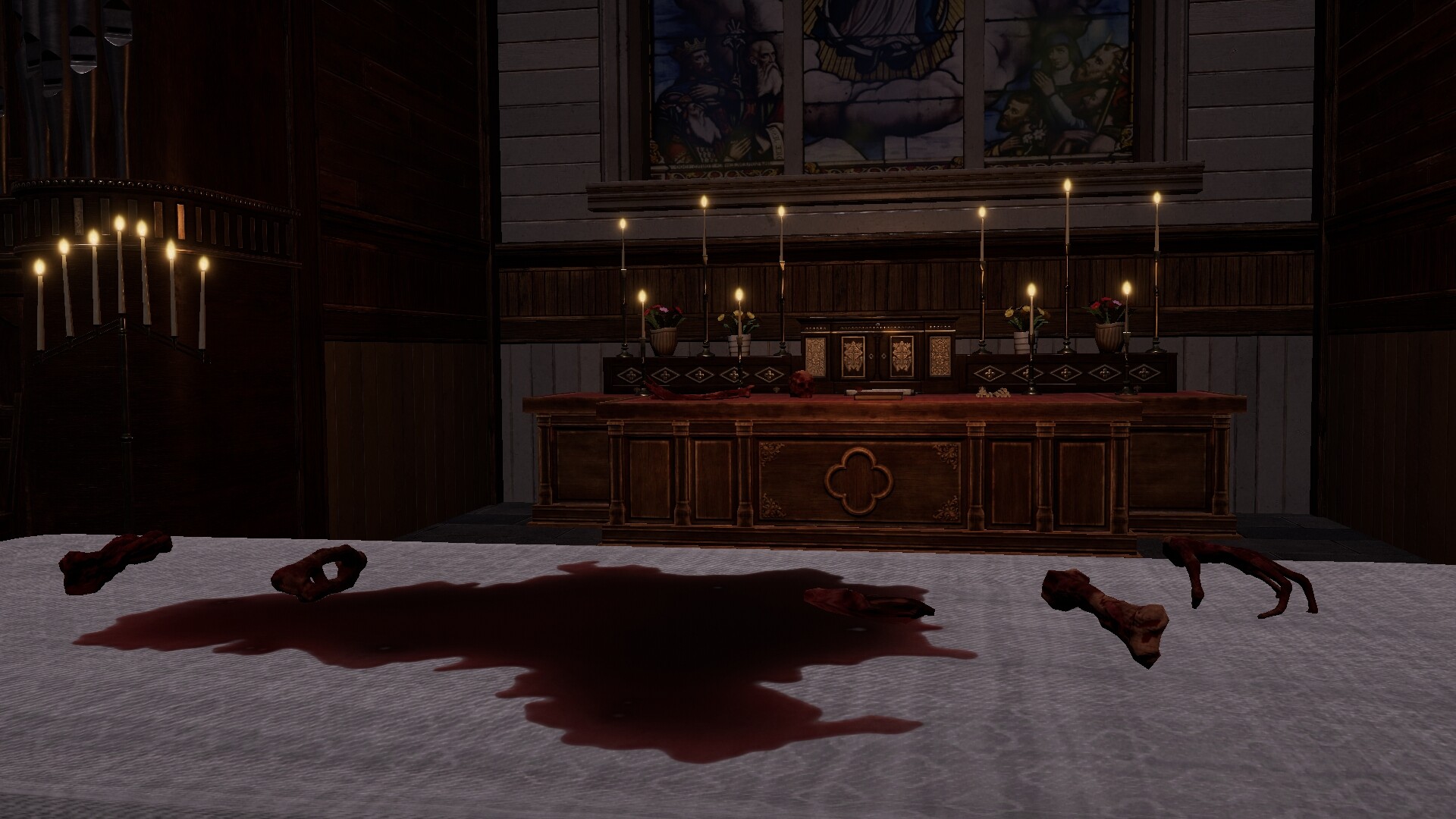
When and where
Trace of the Villa launched on Steam on 28 May, 2026. It’s listed on Steam as a single-player title with accessibility options such as subtitle options, color alternatives, custom volume controls and the ability to play without timed input.
Why the theme matters
The mansion setup is a classic escape-room/mystery crucible: a contained environment where every object can be evidence or a key. Trace of the Villa’s narrative leans on erasure—rooms frozen mid-routine, missing identities, falsified records—which makes environmental reading central to both story and puzzle design. Thematically, that means your attention to what’s omitted is as important as what’s present.
How progression works: locked-room thinking and puzzle-chain momentum
Progression in Trace of the Villa centers on chains of clues rather than isolated logic puzzles. The game foregrounds locked doors, restored power, safes, manifests and encrypted fragments; each solved element opens a new node in a causal chain. Practically, that asks players to:
- Scan an environment for out-of-place items or gaps in domestic routines (missing photographs, sealed compartments).
- Use recovered documents and manifests as connective tissue—dates, names, and transfers form leads you can test in other rooms.
- Restore systems (power, security) to unlock new interactions; solved mechanics often change the environment rather than just rewarding a single item.
This is locked-room thinking applied to a sprawling estate: puzzles feed into investigation, and investigation reconfigures available puzzles. Expect momentum that builds through accumulated understanding rather than sudden mechanical leaps.
Compact facts — Trace of the Villa
| Title | Trace of the Villa |
|---|---|
| Steam App ID | 3483660 |
| Developer / Publisher | Steadyturtle Co., Ltd. |
| Release Date | 28 May, 2026 |
| Genres | Action, Adventure, Indie |
| Categories | Single-player; Color Alternatives; Custom Volume Controls; Playable without Timed Input; Subtitle Options; Family Sharing |
| Premise (official) | Jin follows leads to a remote, decaying mansion and recovers manifests and hints indicating his sister may still be alive. |
Comparison: where Trace of the Villa sits among mystery and escape-room style games
Below is a focused editorial comparison on the most relevant axes for players choosing an investigative, puzzle-driven experience.
| Game | Release (selected) | Core focus | Puzzle style | Exploration / interaction | Story tone / pacing |
|---|---|---|---|---|---|
| Trace of the Villa | 28 May, 2026 | Clue-driven mansion investigation | Locked-room chains, environmental clues, document fragments | Single-player, systematic room-to-room reading; restoration unlocks new interactions | Slow-burn, investigative, psychological mystery |
| The Room | 28 Jul, 2014 | Tactile puzzle boxes and safes | Mechanical, object-focused inspection | Focused single-location puzzles; tactile manipulation of devices | Contained, uncanny, puzzle-first |
| The Room Two | 5 Jul, 2016 | Expanded locations & layered puzzle devices | Sequential object puzzles with narrative threads | Multiple connected scenes; device interaction remains central | Atmospheric, mysterious, puzzle-forward pacing |
| Escape Simulator | 19 Oct, 2021 | Highly interactive escape-room sets (solo or co-op) | Inventory/physics, environment manipulation, community rooms | Free-form interaction (move furniture, break objects); supports co-op and workshop rooms | Varied—can be fast and playful or methodical depending on room |
Player scenarios — who should wishlist this
- You’re a methodical single-player who enjoys building a timeline from scraps of paper and system logs: this game prioritizes cumulative sense-making over isolated brainteasers.
- You prefer puzzles that change the map rather than just grant a single key: restoring power or unlocking compartments alters how the house behaves and what you can access.
- You value atmosphere and narrative ambiguity—missing identities, erasure of records, and falsified transfers are central motifs—over action-heavy sequences.
- If you want multiplayer or level-editing sandbox tools, look elsewhere; Trace of the Villa is presented as a focused single-player narrative investigation.
YouTube discovery
If you want to watch trailers or gameplay before deciding, search for Trace of the Villa trailers and gameplay on YouTube: YouTube search: Trace of the Villa trailer & gameplay. This link is a discovery path — individual videos should be checked for official verification.
Leave a Reply