
Trace of the Villa — a mansion mystery for methodical investigators
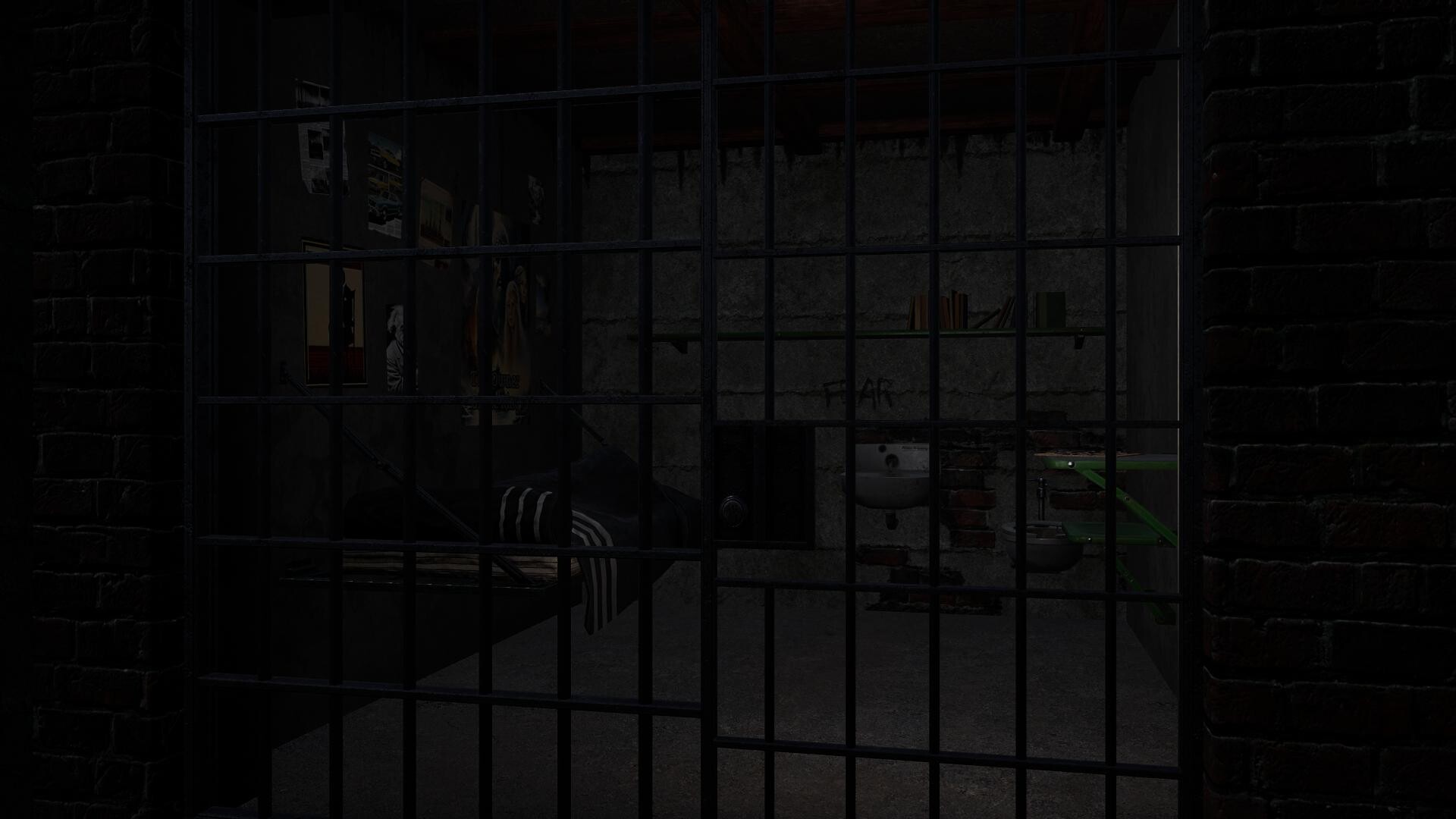
Trace of the Villa places you in Jin’s shoes as he follows a cold lead to a remote, decaying mansion that might hold the last threads of his missing sister. The game promises slow-burn suspense, environmental storytelling, and clue-driven exploration where every recovered manifest or encrypted fragment matters.

Quick facts
| Title | Trace of the Villa |
|---|---|
| Steam App ID | 3483660 |
| Developer / Publisher | Steadyturtle Co., Ltd. |
| Release date | 28 May, 2026 |
| Genres | Action, Adventure, Indie |
| Categories | Single-player, Color Alternatives, Custom Volume Controls, Playable without Timed Input, Subtitle Options, Family Sharing |
Who should wishlist this
If you gravitate toward meticulous investigation—reading manifests, reassembling encrypted fragments, and tracing falsified records—Trace of the Villa looks tailored to you. The official premise centers on Jin recovering manifests and hints in a property that feels “less abandoned than erased,” so players who prize environmental storytelling and slow, deliberate puzzle work should take notice.
What the game is (and what it isn’t)
Officially described as an investigation that begins with a decaying mansion cut off from the grid, Trace of the Villa builds its narrative through recovered documents, restored systems, locked doors, and safes that “yield fragments of encrypted documents and suspicious transfer records.” The investigation is personal—Jin is searching for his missing sister—and the mansion’s evidence points to falsified identities and financial trails that don’t add up. Expect a mystery told through environment, locked systems, and paperwork rather than shouty scripted horror.
When and where
Trace of the Villa released on Steam on 28 May, 2026. It is available on the Steam store for PC; the Steam page lists standard accessibility and options including subtitles, color alternatives, and the ability to play without timed input.
Why the theme matters to investigation fans
The game leans into a specific investigative pleasure: reconstructing absent histories from bureaucratic remnants. The mansion’s “erased” quality—furnished rooms without photos or names, locked compartments, falsified records—rewards players who read every manifest and cross-check transfer records. For lore readers, that process of assembly is the core narrative engine: the more you compile and compare, the clearer the larger operation behind the site becomes.
How you progress
Progress is driven by uncovering and interpreting evidence: restoring power to bring systems back online, unlocking hidden compartments, solving environmental or security puzzles, and decrypting fragments found in safes. The official description emphasizes recovered manifests and encrypted documents as the main levers: your ability to trace financial trails and piece together falsified identities advances Jin’s timeline and reveals the scale of what the mansion hid.
Screenshots: look for detail

Player scenarios — which playstyles fit best
- The meticulous archivist: You read everything, cross-reference manifests, and enjoy the act of assembling a timeline from small administrative details. This is your lane.
- The slow-burn investigator: You prefer deliberate pacing and atmospheric tension over jump scares. Restoring systems and watching the house reveal secrets rewards patience.
- The lore reader: You want layered backstory delivered via found documents, encrypted logs, and implied organizations—then follow financial trails and falsified identities to tease out meaning.
- The exploration-oriented puzzler: You like environmental puzzles that unlock narrative beats—powering rooms, cracking safes, and opening hidden compartments to access the next clue.
How Trace of the Villa compares to nearby mystery/puzzle titles
Below is a compact editorial comparison focused on genre, atmosphere, puzzle focus, exploration style, story tone, pacing, and likely player fit. This is an editorial discovery comparison, not a claim of superiority or official connection.
| Title | Genre / Key feel | Puzzle focus | Exploration style | Story tone / Pacing | Player fit |
|---|---|---|---|---|---|
| Trace of the Villa | Action / Adventure / Indie — mansion mystery | Document-driven, system restoration, encrypted fragments | Contained mansion exploration, clue-driven | Slow-burn, investigative, personal | Meticulous players, lore readers, investigation fans |
| Inscryption | Adventure / Indie / Strategy — card-based psychological mystery | Deckbuilding + escape-room style puzzles, meta secrets | Card-table and confined spaces; layered meta-discovery | Psychological, twisting revelations; variable pacing | Fans of meta narratives, puzzle/horror hybrids |
| Outer Wilds | Action / Adventure — open-world mystery | Environmental puzzles across a solar system; causal discovery | Open exploration of planets and systems | Curious, contemplative; time-loop-driven pacing | Explorers who like broad, emergent mysteries |
| The Forgotten City | Adventure / Indie / RPG — narrative time-loop mystery | Dialogue and consequence puzzles; moral and narrative solving | Ancient city with investigative traversal | Narrative-driven, investigative, puzzle-led | Players who like branching narrative and ethical puzzles |
| The Medium | Adventure — psychological horror with dual-realm exploration | Realm-shifting puzzles and environmental juxtaposition | Real world + spirit realm parallel exploration | Psychological, atmospheric; steady pacing | Players who like atmosphere and dual-reality mechanics |
| Journey | Adventure / Indie — contemplative exploration | Environmental navigation and discovery | Open, graceful traversal of ruins and landscapes |
Steam pageView Trace of the Villa on Steam YouTube discoveryFor trailer and gameplay discovery, use YouTube search rather than relying on unverified embeds: Find Trace of the Villa trailer and gameplay searches on YouTube. CommentsMore posts |
Leave a Reply