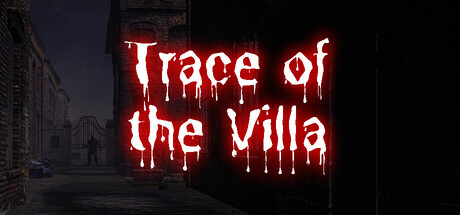
Trace of the Villa: a slow-burn mansion mystery driven by a personal search
Jin has spent years searching for his missing sister, and Trace of the Villa funnels that single-minded obsession into an atmospheric mystery adventure set inside a deliberately forgotten, decaying mansion. The game promises clue-driven exploration and puzzle-led revelations as you restore power, open locked spaces, and trace falsified identities to see whether the trail really ends where Jin hopes.

Quick facts
| Title | Trace of the Villa |
|---|---|
| Release date | 28 May, 2026 |
| Developer / Publisher | Steadyturtle Co., Ltd. |
| Genres | Action, Adventure, Indie |
| Key Steam categories | Single-player; Color Alternatives; Custom Volume Controls; Playable without Timed Input; Subtitle Options; Family Sharing |
| Steam appid | 3483660 |
Who is Trace of the Villa for?
Players who want a motive-first mystery: this is for people who care about character motivation and missing-person stakes more than spectacle. If you respond to a protagonist whose investigation is personal — Jin searching for his missing sister — and prefer environmental storytelling where the house’s layout and remnants tell the story, this will likely fit your tastes.
What the game is (and what the mansion hides)
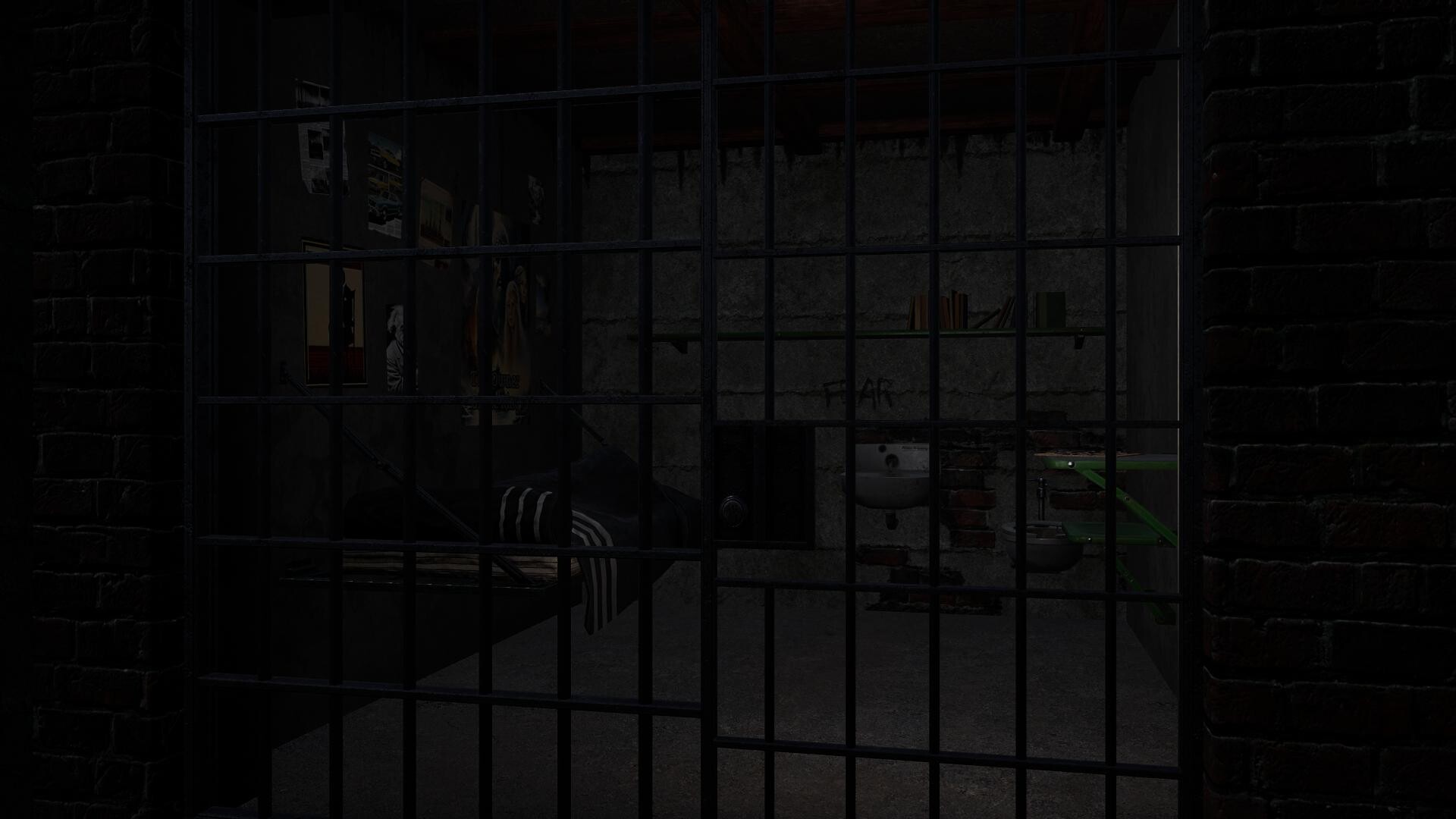
The official scope is plain: a remote, off-grid mansion that appears deliberately erased. Rooms feel like occupants vanished mid-routine; photographs and names are missing as if identities were removed. When Jin restores power, secured systems come back online, hidden compartments and safes yield fragments — manifests, encrypted documents, suspicious transfer records — that point toward falsified identities and movements masked behind false paperwork. The narrative thrust is investigative: follow leads, piece together timelines, and uncover whether people were moved through this property under strict control.

When and where
Trace of the Villa released on Steam on 28 May, 2026. It’s listed on Steam as an Action / Adventure / Indie title by Steadyturtle Co., Ltd., and includes single-player options plus accessibility features such as subtitle options, color alternatives, custom volume controls, and a “playable without timed input” category.
Why the theme matters: missing-person stakes and moral texture
Missing-person stories change the texture of exploration. When clues are not just curiosities but possible proof that someone you love is alive, reading the environment becomes urgent. The mansion setting amplifies that: rooms staged mid-activity, erased identities, and financial paperwork suggest an operation rather than an accident. That personal stake shifts how players evaluate puzzles — each discovery is emotional evidence, not just a mechanical step.
How you progress: reading the evidence
Progress hinges on reconstruction. The official description lays out the key loop: restore estate power, bring systems back online, unlock hidden compartments and safes, and assemble fragments of manifests and encrypted documents. Those pieces sketch a timeline of arrivals and departures, falsified records, and transfer trails that lead nowhere unless you connect them. That design implies a gameplay rhythm focused on observation, piecing together disparate artifacts, and using environmental puzzles to open new narrative threads.
Who should wishlist it — player scenarios
- Slow-burn mystery fans: You value atmosphere, patient pacing, and story that unfolds through investigation and recovered documents.
- Environmental storytellers: You like games where spaces themselves narrate—furnished rooms, personal items, and locked doors that slow-reveal context.
- Character-motivated players: You prioritize protagonist motivation and missing-person stakes over action spectacle.
- Puzzle explorers who avoid reflex stress: The Steam listing includes “Playable without Timed Input,” so if you prefer thoughtful puzzle pacing, that’s a good sign.
How it compares (short editorial table)
| Title | Similar appeal | Key difference |
|---|---|---|
| Inscryption | Dark, layered secrets and puzzle-revealed lore. | Inscryption blends card mechanics and meta-horror; Trace of the Villa focuses on environmental, clue-driven investigation inside a mansion. |
| Outer Wilds | Mystery-led exploration and piecing together timelines. | Outer Wilds is open-world cosmic investigation with time-loop mechanics; Trace of the Villa is a confined, motive-driven mansion mystery with forensic-style clues. |
| Journey | Atmospheric, mood-first exploration. | Journey is an abstract, contemplative traversal experience; Trace of the Villa is narrative-specific and clue-focused with missing-person stakes. |
| The Forgotten City | Narrative puzzles and moral stakes guiding exploration. | The Forgotten City uses time-loop mechanics and decision-driven outcomes; Trace of the Villa emphasizes reconstruction of erased identities and documentary evidence. |
| The Medium | Psychological investigation and uncovering dark secrets in a built environment. | The Medium alternates realities as a core mechanic; Trace of the Villa centers on powering systems back up and unlocking physical safes and records. |
YouTube discovery
Looking for a trailer or gameplay clips? Use this YouTube search as a starting point (results may include trailers and player footage): Trace of the Villa trailer & gameplay search.
View Trace of the Villa on Steam
Referential disclaimer: referenced titles and trademarks belong to their respective owners; comparisons above are editorial discovery only.
Leave a Reply