
Trace of the Villa: how rooms shape puzzles and stories in a mansion mystery
Trace of the Villa places you in a remote, decaying mansion where Jin follows fragmented manifests and hints that might lead to his missing sister. The game stages its mystery inside furnished rooms that feel “erased”—each chamber is both a puzzle space and a container of interrupted lives, and your reading of clues and objects is the engine of discovery.

Facts: compact snapshot
| Title | Trace of the Villa |
|---|---|
| Release date | 28 May, 2026 |
| Developer / Publisher | Steadyturtle Co., Ltd. |
| Steam AppID | 3483660 |
| Genres | Action, Adventure, Indie |
| Categories | Single-player; Color Alternatives; Custom Volume Controls; Playable without Timed Input; Subtitle Options; Family Sharing |
| Short premise (official) | Jin has spent years searching for his missing sister, pursuing leads that took him to a remote, decaying mansion where he recovered manifests and hints that indicate his sister may still be alive, somewhere at the end of the trail he is about to follow. |
Who this is for
- Players who prefer story-rich adventure with environmental storytelling and slow-burn suspense rather than constant action.
- Puzzle fans who like clue-reading and object logic — solving safes, restoring systems, and piecing together timelines from documents and scene details.
- PC players looking for a single-player indie mystery on Steam with accessibility options like subtitle support and non-timed interactions.
What the game is (and how rooms function)
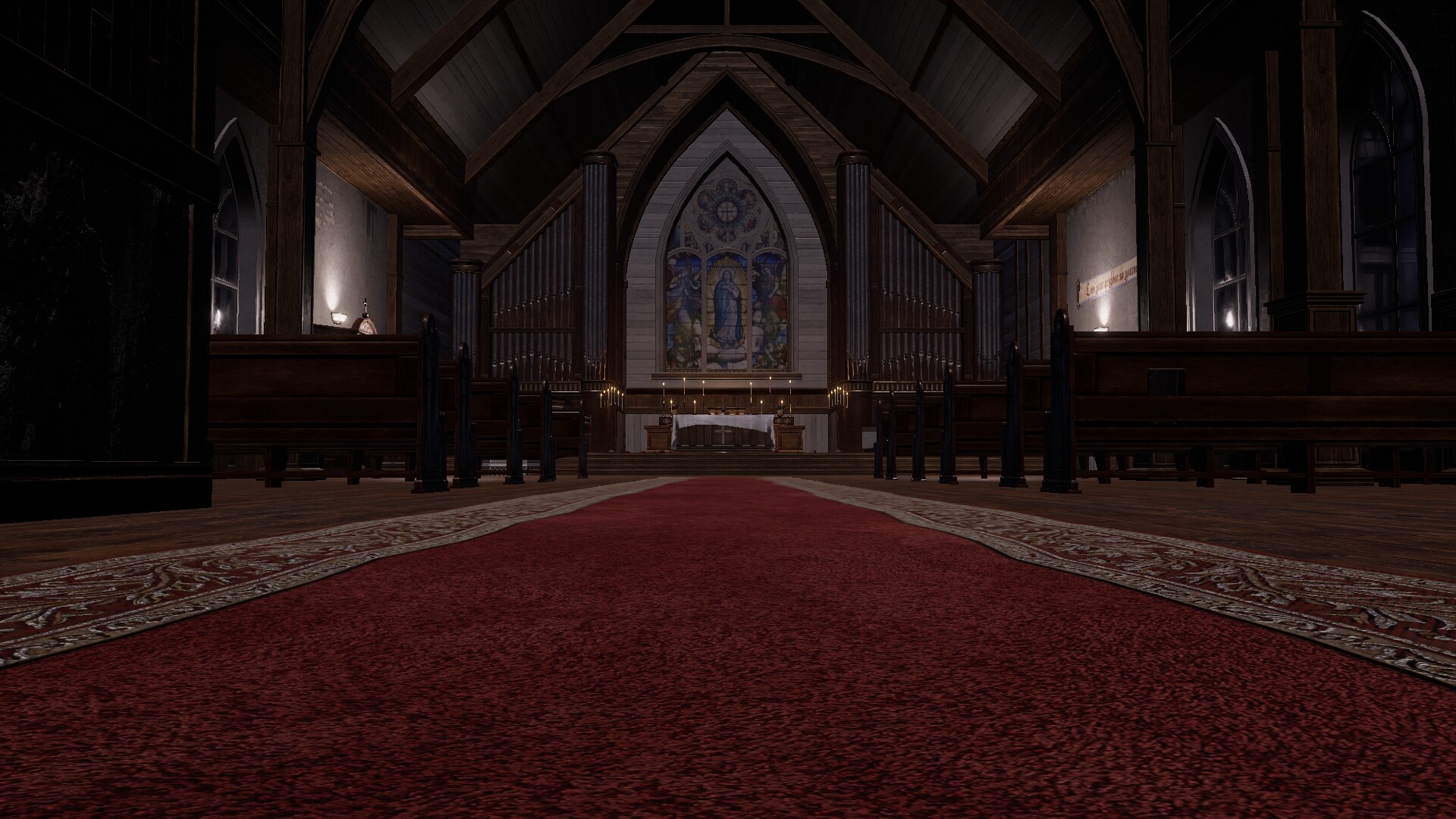
Trace of the Villa casts the mansion itself as the primary narrator. Rooms are staged: furniture left mid‑routine, locked doors hiding secured secrets, personal belongings that omit names or photos as if identities were removed. The gameplay loop described on the Steam page centers on restoring power, reactivating secured systems, and extracting fragments from safes and encrypted documents. Each room contains layered clues — manifests, transfer records, and mechanical locks — that together reveal a larger, deliberately concealed operation.

When and where
Trace of the Villa is available on Steam; the official release date listed on the Steam page is 28 May, 2026. The Steam storefront lists standard PC accessibility options such as subtitle choices and “playable without timed input.”
Why the mansion-and-room framing matters
Using rooms as discrete puzzle spaces lets a developer control pacing and narrative reveal. In Trace of the Villa, each chamber acts like a dossier: objects provide immediate mechanical puzzles (safes, locked cabinets, restored systems) while the arrangement and absence of personal artifacts build psychological investigation — you don’t just open locks, you read absence and omission. That dual role—mechanical challenge plus contextual storytelling—keeps the player switching between deduction and tactile problem solving.
How clue reading, object logic, and story puzzles shape progression
- Clue reading: manifests and encrypted fragments act as connective tissue between rooms. You track timelines and relationships by matching documents to physical evidence in a given room.
- Object logic: small mechanical puzzles (locks, safes, power systems) rely on in-world logic — patterns in a room, labels on equipment, and inventory interactions rather than abstract minigames.
- Story puzzles: some puzzles are solved by reconstructing events or interpreting why personal items were removed, which reframes what you thought a room “meant” once new evidence appears.
Player scenarios — specific tastes and play styles
- Scenario A — The patient investigator: You relish slow reveals and document-based detective work. You’ll appreciate rooms that gradually unlock larger threads through careful reading.
- Scenario B — The tactile puzzler: You enjoy physical puzzle solutions (safes, switches, power restoration). If you like interacting with objects to solve concrete problems, this fits.
- Scenario C — The atmosphere-first player: You prioritize mood and setting. The mansion’s “erased” feel—furnished but identity-less—provides ambient tension more than jump scares.
- Scenario D — Accessibility-minded player: You value subtitle options and non-timed input; the Steam page lists those categories as available.
How Trace of the Villa compares (editorial discovery)
Below is a concise editorial comparison against nearby puzzle-adventure titles that emphasize rooms or object-focused storytelling. This is a comparison of genre, puzzle focus, atmosphere, and play style, not a statement of superiority.
| Title | Genre / Focus | Puzzle style | Atmosphere / Tone | Single-player? | Notable release |
|---|---|---|---|---|---|
| Trace of the Villa | Action / Adventure / Indie — mansion mystery | Clue-driven, object logic, safes, restored systems | Slow-burn suspense; rooms as erased personal spaces | Yes (Single-player) | 28 May, 2026 |
| The Room | Adventure / Indie | Mechanical safe-and-box puzzles, tactile object interaction | Mysterious, intimate puzzle chambers | Yes (Single-player) | 28 Jul, 2014 |
| The Room Two | Adventure / Indie | Expanded mechanical puzzle sequences across linked scenes | Cryptic, atmospheric exploration | Yes (Single-player) | 5 Jul, 2016 |
| Escape Simulator | Adventure / Casual / Indie — escape rooms | Highly interactive escape-room puzzles; physics and item interaction | Varied — often playful or tense depending on room | Single- and Multi-player (co-op supported) | 19 Oct, 2021 |
| Unpacking | Casual / Indie — narrative through objects | Spatial, block-fitting; story via possessions | Zen, domestic, reflective | Yes (Single-player) | 1 Nov, 2021 |
View Trace of the Villa on Steam For trailer and gameplay discovery, use YouTube search rather than relying on unverified embeds: Find Trace of the Villa trailer and gameplay searches on YouTube.YouTube discovery
Leave a Reply