
Trace of the Villa — a premise-first guide to the mansion mystery (no spoilers)
Trace of the Villa drops you into Jin’s years-long search for his missing sister: a lead brings him to a remote, decaying mansion where recovered manifests and hints indicate she may still be alive. The Steam release (28 May, 2026) bills the experience as an atmospheric mystery adventure that favors clue-driven exploration, environmental storytelling, and slow-burn suspense over explicit answers.

Quick facts
| Title | Trace of the Villa |
|---|---|
| Developer / Publisher | Steadyturtle Co., Ltd. |
| Release date | 28 May, 2026 |
| Genres | Action · Adventure · Indie |
| Steam categories | Single-player; Color Alternatives; Custom Volume Controls; Playable without Timed Input; Subtitle Options; Family Sharing |
| Steam page | Trace of the Villa on Steam |
Who is this for?
- Players who prize atmospheric mystery adventure and environmental storytelling over explicit hand-holding.
- Fans of slow-burn suspense and investigation-driven pacing who like assembling a narrative from documents, systems, and subtle scene details.
- People who prefer single-player, exploration-forward games where reading clues and restoring systems reveals backstory.
What the game is (without spoiling plot beats)
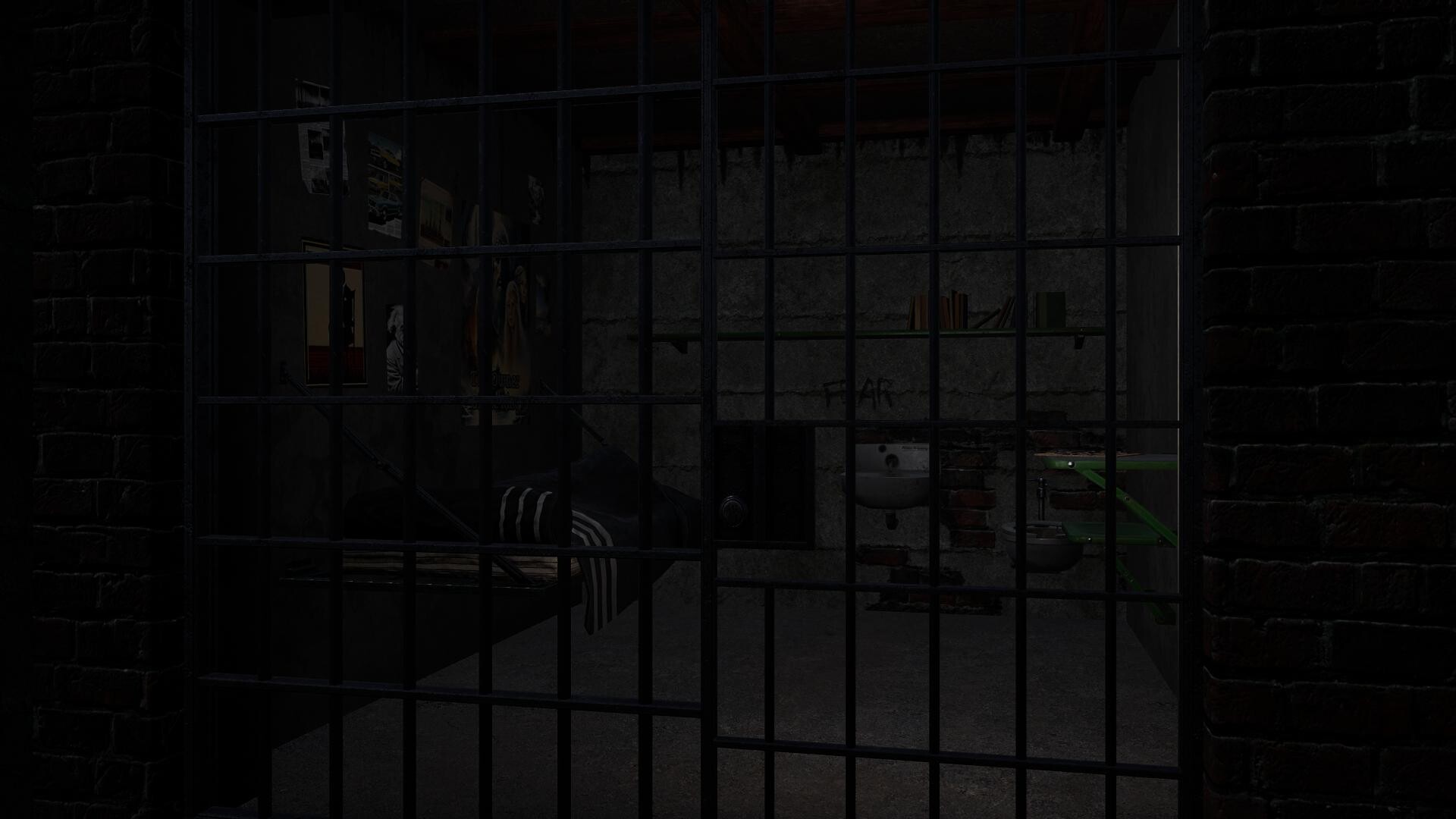
Official Steam copy frames Trace of the Villa around Jin’s search for a missing sister. The protagonist finds a mansion “cut off from the grid and deliberately forgotten.” Inside, rooms feel “as if their occupants vanished mid-routine” and key systems are offline. When Jin restores power, secured systems and hidden compartments begin to reveal encrypted documents, suspicious transfer records, and manifests that point to a larger, concealed operation.
When and where — Steam context
Trace of the Villa launched on Steam on 28 May, 2026. It’s a PC release by Steadyturtle Co., Ltd.; the store page lists the game under Action, Adventure, and Indie and flags accessibility options such as subtitles, color alternatives, and custom volume controls.
Why the premise matters: narrative curiosity and hidden backstory
The core curiosity here isn’t simply “what happened,” but “what was deliberately erased.” The Steam description repeatedly emphasizes absence and removal—no photographs, no names, identities erased—and that framing changes what you look for as a player. Instead of searching only for dramatic reveals, you’re conditioned to collect fragments: manifests, transfer records, encrypted text and the traces of carelessly abandoned routines. That pattern makes the mansion not just a setting but the active engine of the story: every restored circuit and opened safe translates into a narrative pulse.
How you read clues and progress
According to the official description, progression hinges on investigation and systems restoration. Restoring power brings secured systems back online; hidden compartments and safes yield fragments of encrypted documents and suspicious transfer records. Puzzles appear to be embedded in the environment and in physical and electronic containers rather than in timed skill tests—the Steam page lists “Playable without Timed Input” and subtitle and accessibility options—so expect methodical, clue-driven puzzle design and a slower investigative cadence.

Player scenarios — who should wishlist this
- If you enjoy piecing together story from documents, corrupted systems, and the arrangement of a space, wishlist this.
- If you want a haunted-mansion tone focused on procedural erasure—missing records, falsified identities, and financial trails—this matches that curiosity-driven appetite.
- If you prefer fast, combat-forward action or explicit, cinematic exposition, this may be slower than you expect; the Steam listing emphasizes exploration and investigative pacing.
How it compares (editorial discovery)
Below is a compact comparison with other narrative and mystery-focused titles to help match player tastes. These comparisons use lawful editorial criteria: genre, atmosphere, puzzle focus, exploration style, story tone, and pacing.
| Title | Similarities | Differences (focus) | Player fit |
|---|---|---|---|
| Inscryption | Both build narrative curiosity through fragments and secrets. | Inscryption blends card mechanics, roguelike structure, and meta-layer reveals; Trace of the Villa centers on environmental puzzles and investigative restoration. | Play Inscryption if you like puzzle systems wrapped in meta-horror; wishlist Trace of the Villa if you prefer physical-space investigation. |
| Outer Wilds | Exploration-driven discovery and slow-burn unraveling of a larger pattern. | Outer Wilds is open-world, exploratory, and loop-based; Trace of the Villa is mansion-bound and document/system-focused. | Choose Outer Wilds for cosmic mystery and traversal; Trace of the Villa for a concentrated mansion mystery and forensic reading of clues. |
| Journey | Both emphasize atmosphere and subtle storytelling through environment. | Journey is minimal, contemplative, and largely non-verbal; Trace of the Villa relies on documents, systems and decipherable traces. | Pick Journey for meditative exploration; pick Trace of the Villa for narrative puzzle investigation. |
| The Forgotten City | Narrative-driven mystery where player choices and discovery shape understanding. | The Forgotten City features a time-loop mechanic and moral puzzle structures; Trace of the Villa focuses on recovering erased identities and forensic puzzles inside a single estate. | The Forgotten City if you like moral puzzles and time mechanics; Trace of the Villa for atmospheric evidence-collection and hidden backstory. |
| The Medium | Psychological investigation and unsettling spaces. | The Medium uses dual-reality exploration and horror themes; Trace of the Villa appears grounded in forensic and administrative traces (manifests, transfers, encrypted files). | The Medium for psychological/dual-reality scares; Trace of the Villa for document-led investigative mystery. |
Useful store pointers
- The Steam page lists accessible options (subtitles, color alternatives) and that the game is playable without timed input—useful if you prefer a methodical investigation pace.
- As of this writing the Steam reviews section lists no user reviews yet; check the Steam page for any updates and community impressions after release.
YouTube discovery
Looking for trailers or gameplay clips? Use this YouTube search path to find uploads and impressions: Search Trace of the Villa trailer & gameplay on YouTube. This link is a discovery aid; it does not assert any specific video is official.
Final read: how to decide
Wishlist Trace of the Villa if you want an investigation-first, atmosphere-heavy adventure that rewards patient reading of manifests, encrypted fragments, and the arrangement of rooms. If you’re after a concentrated mansion mystery where restoring systems and unlocking safes drives the narrative, this aligns well with that appetite. If you prefer sprawling open-world puzzles, heavy action, or cinematic exposition, the game’s emphasis on forensic, document-led discovery may feel deliberately narrow.
Steam link: Trace of the Villa on Steam
Disclaimer: Referenced titles and trademarks belong to their respective owners. These comparisons are editorial discovery only and do not imply endorsement or sponsorship.
Leave a Reply