
Trace of the Villa: an escape-room style mystery built from clue chains and environmental reading
Trace of the Villa drops you into a decaying, deliberately forgotten mansion where Jin — the protagonist named in the official Steam copy — follows manifests and hints that suggest his missing sister might still be alive. Released on 28 May, 2026 by Steadyturtle Co., Ltd., the game pairs slow-burn atmospheric mystery with locked-room thinking and puzzle-chain momentum.

Fast facts
| Title | Trace of the Villa |
|---|---|
| Developer | Steadyturtle Co., Ltd. |
| Publisher | Steadyturtle Co., Ltd. |
| Release date | 28 May, 2026 |
| Steam AppID | 3483660 |
| Genres | Action, Adventure, Indie |
| Key categories | Single-player; Playable without Timed Input; Subtitle Options; Color Alternatives; Custom Volume Controls; Family Sharing |
| Official short description | Jin has spent years searching for his missing sister, pursuing leads that took him to a remote, decaying mansion where he recovered manifests and hints that indicate his sister may still be alive, somewhere at the end of the trail he is about to follow. |
Who this is for
If you favor single-player, story-rich adventures that reward careful observation rather than twitch reflexes, Trace of the Villa is aimed at you. The Steam categories explicitly list “Playable without Timed Input,” and the game’s premise — investigating a locked, erased mansion and restoring systems to reveal secrets — suits players who enjoy environmental storytelling, puzzle chains that build momentum, and slow-burn psychological investigation.
What the game is
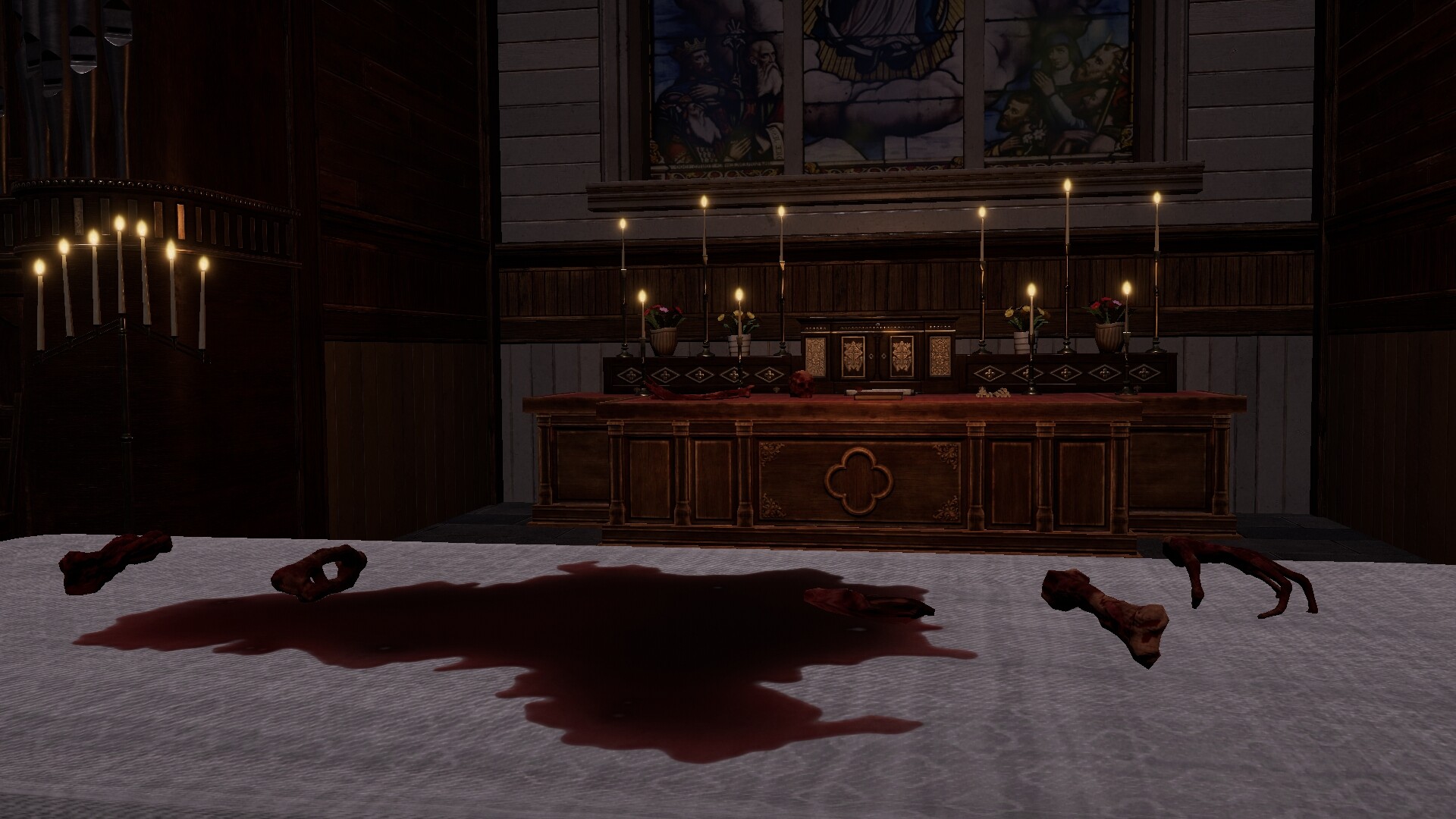
Trace of the Villa is an atmospheric mystery adventure in which Jin explores a remote mansion where past occupants appear to have vanished mid-routine. According to the official description, restoring power unlocks secured systems and hidden compartments; safes yield fragments of encrypted documents and suspicious transfer records. The narrative unfolds as a chain of clues: identities appear erased, financial trails go nowhere, and arrivals/departures seem masked — all elements that push the experience toward deliberate clue-driven exploration and locked-room thinking.

When and where — Steam context
Trace of the Villa launched on Steam on 28 May, 2026. It is listed under Action / Adventure / Indie on the Steam store and includes accessibility and presentation options such as subtitles, color alternatives, and custom volume controls. For those who want to wishlist or buy, the Steam page is the canonical source: Trace of the Villa on Steam.
Why the theme matters — locked-room logic and erased identities
The game’s central conceit — a property “deliberately forgotten” and spaces that feel “erased” — turns the environment itself into the primary puzzle. Locked-room logic matters here because the mansion’s sealed systems, hidden compartments, and encrypted fragments force players to treat every object as potential evidence. The absence of names and photographs, described in the official text, reorients typical investigation mechanics: you must infer identity and motive from affordances (what a room contains, what a safe reveals), not from explicit exposition.
How progression works — object clues, clue chains, and momentum
While details of specific mechanics beyond the official summary aren’t provided, the store description makes the game’s loop clear: restore power, access secured systems, recover fragments, then follow where those fragments point. That sequence is a classic puzzle-chain design. Early puzzles yield tools or information that unlock the next locked space; solved rooms reveal new documents or manifests that require reading across locations to build a timeline. In practice, expect to alternate between careful environmental reading (noticing staged objects and missing identifiers) and sequence puzzles that escalate into broader narrative revelations.
Player scenarios — who will enjoy the pacing and who might not
- The methodical investigator: You like scanning shelves, cross-referencing documents, and unspooling a long trail. The mansion setting and encrypted fragments fit a patient playstyle.
- The atmospheric story seeker: If slow-burn suspense and psychological investigation appeal more than combat or fast action, the game’s tone should deliver.
- The puzzle completionist: Puzzle-chain momentum suggests satisfying gating: completing one node in the chain reliably opens the next, which is ideal for players who enjoy stepwise breakthroughs.
- Not ideal if you want constant action: The emphasis on environmental storytelling and locked-room logic implies measured pacing rather than continuous combat or arcade-style beats.
How it compares — short editorial table
| Title | Atmosphere | Puzzle focus | Exploration style | Pacing | Player fit |
|---|---|---|---|---|---|
| Trace of the Villa | Decaying mansion; unsettling, erased identities | Clue chains, locked systems, document fragments | Single-player, environmental reading, room-to-room investigation | Slow-burn; investigative momentum | Players who prefer narrative puzzle design and atmospheric mystery |
| The Room / The Room Two | Focused, tactile mystery rooms | Mechanical safes, object manipulation, layered locks | Contained puzzle-chambers with highly curated interactions | Measured, puzzle-focused | Players who enjoy intimate, handcrafted lock-and-key puzzles |
| Escape Simulator | Varied room themes (community content), interactive | Physics, item usage, designer-driven puzzle rooms | Room-by-room with high interactivity and editor support | Variable — can be brisk or complex depending on room | Those who like interactive object puzzles and co-op options (but trace is single-player) |
| Hi-Fi RUSH | Energetic, rhythm-driven action | Puzzle elements secondary to combat and music timing | Open encounters and set-pieces | Fast, action-oriented | Players seeking beat-driven combat and pacing — not the same audience as Trace of the Villa |
Practical notes and accessibility
The Steam listing shows support features that matter to investigative players: subtitle options, color alternatives, and custom volume controls. The single-player focus and “Playable without Timed Input” tag suggest puzzles do not demand twitch timing, which aligns with clue-driven playstyles.
Where to look for a trailer or gameplay clips
For trailers or gameplay footage, use this YouTube discovery path (search results may include official and community videos): Search Trace of the Villa on YouTube.
Decision checklist — should you wishlist it?
- Wish-list if you prefer single-player, narrative-led investigations and environmental puzzle-chains over constant action.
- Wish-list if you enjoy methodical reading of rooms and documents and want deliberate, locked-room puzzle logic.
- Skip or wait if you need rapid combat, multiplayer, or editor-driven sandbox puzzles — those experiences are different from the mansion investigation described in
Leave a Reply