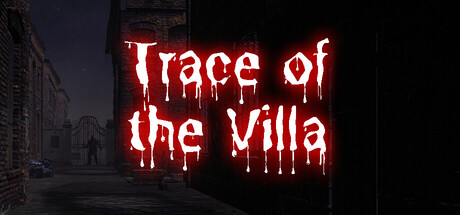
Trace of the Villa — a premise-first guide for players who want story context without spoilers
Trace of the Villa drops you into Jin’s long, quiet hunt for a missing sister: leads point to a remote, decaying mansion where recovered manifests and encrypted fragments suggest the trail isn’t cold after all. If you want a slow-burn, clue-driven atmospheric mystery that builds tension through environmental storytelling rather than loud set pieces, here’s what to know before you wishlist.

Quick facts
| Title | Trace of the Villa |
|---|---|
| Developer / Publisher | Steadyturtle Co., Ltd. |
| Release date | 28 May, 2026 |
| Steam AppID | 3483660 |
| Genres | Action, Adventure, Indie |
| Categories / Accessibility | Single-player; Color Alternatives; Custom Volume Controls; Playable without Timed Input; Subtitle Options; Family Sharing |
| Official short premise | Jin has spent years searching for his missing sister, pursuing leads that took him to a remote, decaying mansion where he recovered manifests and hints that indicate his sister may still be alive, somewhere at the end of the trail he is about to follow. |
Who is this for?
Trace of the Villa suits players who prioritize narrative curiosity over jump scares: those who enjoy slowly assembling a backstory from scattered documents, restored systems, and room-by-room mysteries. If you appreciate environmental storytelling, careful pacing, and investigative tension — rather than constant action or upfront exposition — this is likely aligned with your tastes.
- Players who like methodical clue-gathering and puzzle-led reveals.
- Fans of mansion mysteries and domestic spaces that feel eerily lived-in.
- Anyone who needs accessibility options like subtitle support and color alternatives.
What the game is (without spoilers)
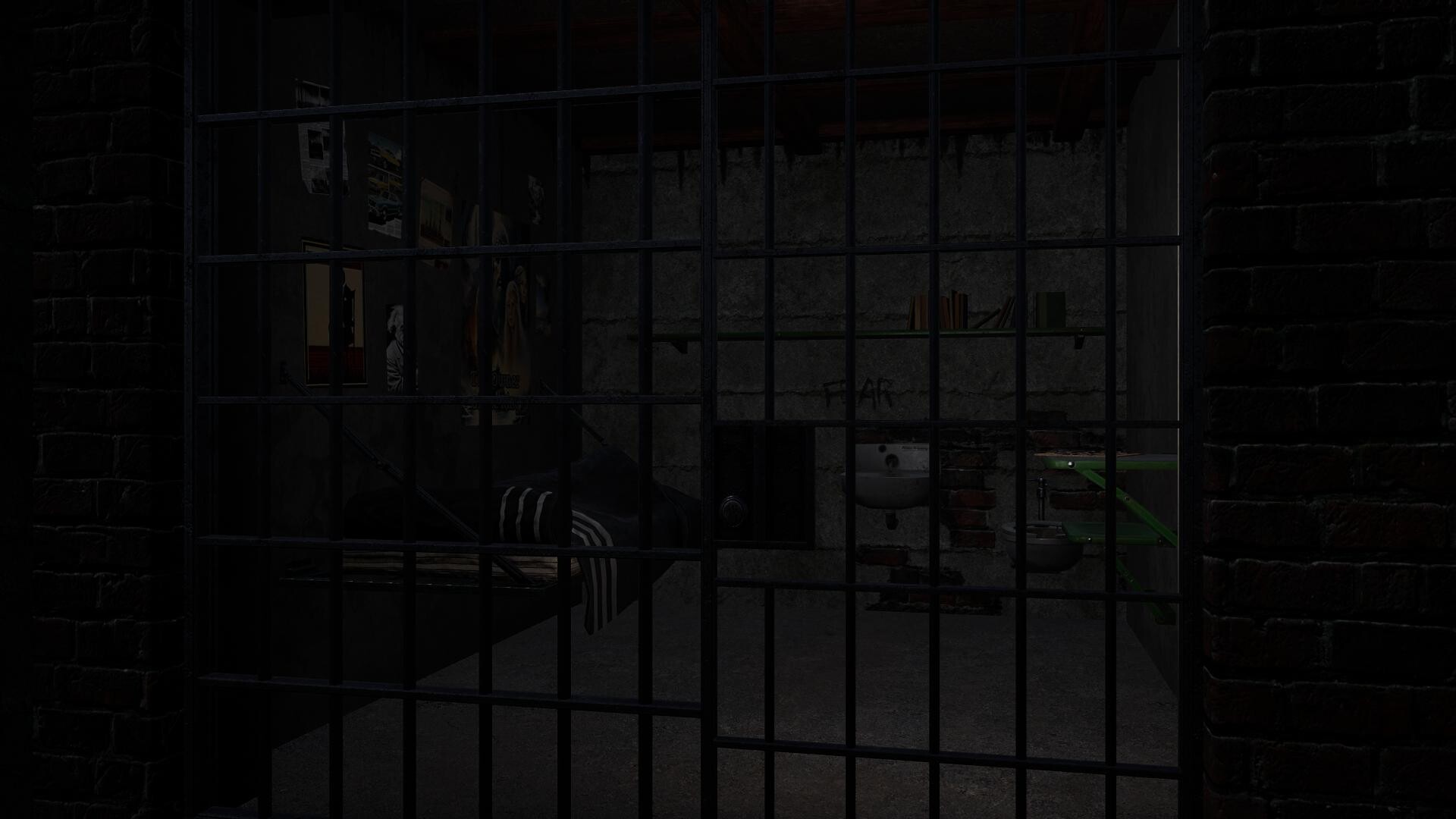
Officially described as a story about Jin searching for his missing sister, Trace of the Villa centers on exploration of an off-grid, deliberately forgotten estate. Inside, rooms appear preserved but emptied of identity: personal belongings and locked doors suggest occupants vanished mid-routine. When Jin restores power, “secured systems come back online,” hidden compartments and safes reveal encrypted fragments, suspicious transfer records, falsified identities, and financial trails pointing to a larger, concealed operation. The game frames investigation as piecing together timelines and motives from physical and digital traces rather than being told everything at once.
When and where
Trace of the Villa released on 28 May, 2026 and is available on Steam for PC. The store page lists Steadyturtle Co., Ltd. as both developer and publisher; the Steam page also highlights categories like Single-player and accessibility settings (subtitles, color alternatives, custom volume controls) that help define the play experience.
Why the theme matters
The core theme — a house that feels “erased” and people moved through under strict control — frames every exploration beat as investigative work. The lack of photographs or names in rooms transforms ordinary objects into clues. That design choice puts the player in the role of a forensic reader of space: the mansion’s atmosphere and the discovered manifests are the narrative engine, making each small reveal feel consequential.
How you read clues and progress
Progression is described on the Steam page as a mix of restoring systems, unlocking hidden compartments, and extracting fragments from safes and documents. Puzzles and environmental interactions yield encrypted documents and transfer records; each solved puzzle texturizes the timeline and exposes another layer of the operation that used the estate. The presence of “playable without timed input” in Steam categories suggests a more deliberate investigation tempo rather than reflex-driven encounters.

Player scenarios — should you wishlist it?
- If you want slow-burn story: Wishlist if you favor unspooling mysteries through investigation and archive interpretation rather than cinematic reveals.
- If you prefer fast pacing: This may not be ideal; the Steam descriptors and premise point to methodical exploration and puzzle-led momentum.
- If accessibility matters: The game lists subtitles, color alternatives, and custom volume controls — useful for players who need adjustable presentation.
- If you like detective-style environmental puzzles: Likely a good fit: the narrative is driven by locating and decoding evidence found in the mansion.
How Trace of the Villa compares (editorial discovery)
Below is a compact editorial comparison to help readers place Trace of the Villa among recent narrative and mystery-focused indies. Comparison criteria are genre, atmosphere, puzzle focus, exploration style, story tone, pacing, and player fit.
| Title | Genre / Atmosphere | Puzzle / Investigation Focus | Exploration Style | Story Tone / Pacing | Player fit |
|---|---|---|---|---|---|
| Trace of the Villa | Action / Adventure / Indie — mansion mystery, atmospheric | Document fragments, restored systems, safes, encrypted records | Room-by-room, clue-driven exploration | Slow-burn, investigative, tension through revelation | Players who like environmental storytelling and forensic reading of spaces |
| Inscryption | Adventure / Indie / Strategy — inky, card-based horror | Puzzle and meta-puzzle elements embedded in card mechanics | Hybrid — escape-room puzzles and card-play reveal layers | Psychological, layered twists; darker, more game-mechanics-forward | Players who enjoy meta-narrative and mechanic-driven mystery |
| Outer Wilds | Action / Adventure — cosmic mystery, exploration-driven | Puzzle and discovery through observation and astronomy | Open, solar-system exploration with time-loop mechanics | Curious, contemplative pacing; revelations across repeated loops | Players who like open exploration and piecing story from environment |
| Journey | Adventure / Indie — poetic, evocative exploration | Less traditional puzzle focus; narrative through movement and environment | Linear, atmospheric traversal | Quiet, emotional pacing; interpretive storytelling | Players who prefer non-verbal, mood-driven experiences |
| The Forgotten City | Adventure / Indie / RPG — narrative time-loop mystery | Dialogue and moral puzzles with time-manipulation mechanics | Exploration centered on choice and timeline resets | Intricate narrative puzzles; deliberate pacing with branching outcomes | Players who enjoy ethical puzzles and narrative consequences |
| The Medium | Adventure — psychological horror, dual-reality exploration | Puzzle-solving using interplay between real world and spirit realm | Linear with dual-reality context | Psychological, tense; story unfolds through supernatural investigation | Players who like horror-tinged narrative and dual-reality mechanics |
Trailer / gameplay search
Steam page
View Trace of the Villa on Steam
YouTube discovery
For trailer and gameplay discovery, use YouTube search rather than relying on unverified embeds: Find Trace of the Villa trailer and gameplay searches on YouTube.
Leave a Reply