
Who should consider Trace of the Villa after atmospheric mystery adventures?
Trace of the Villa is a slow-burn, clue-driven mystery set in a deliberately forgotten mansion where Jin searches for his missing sister. Released on 28 May, 2026 by Steadyturtle Co., Ltd., the game blends forensic curiosity and environmental storytelling across Action/Adventure/Indie categories on Steam.

Quick facts
| Title | Trace of the Villa |
|---|---|
| Steam App ID | 3483660 |
| Release date | 28 May, 2026 |
| Developer / Publisher | Steadyturtle Co., Ltd. |
| Genres | Action, Adventure, Indie |
| Categories on Steam | Single-player; Color Alternatives; Custom Volume Controls; Playable without Timed Input; Subtitle Options; Family Sharing |
| Official short description | Jin has spent years searching for his missing sister, pursuing leads that took him to a remote, decaying mansion where he recovered manifests and hints that indicate his sister may still be alive, somewhere at the end of the trail he is about to follow. |
What the game is
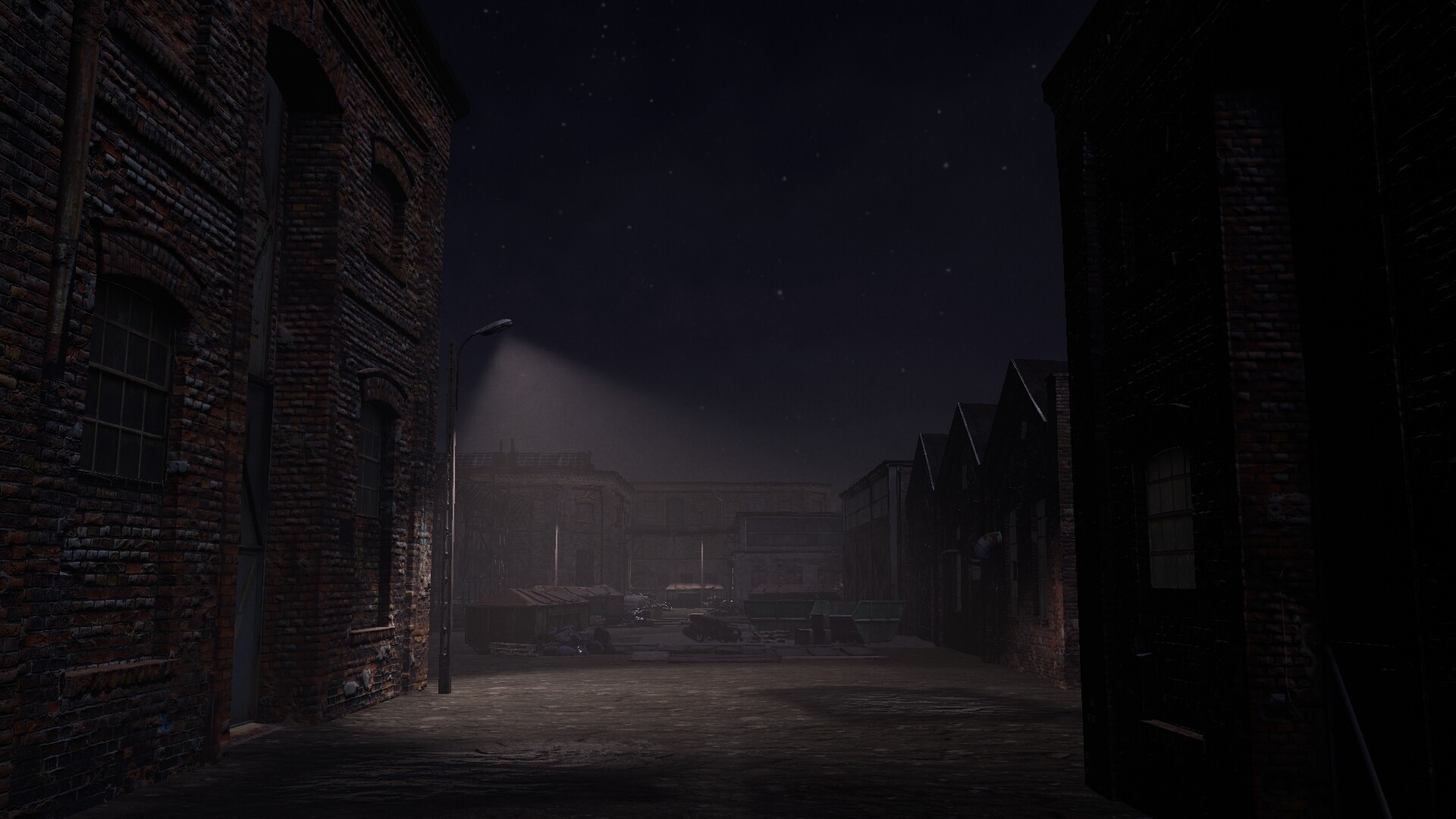
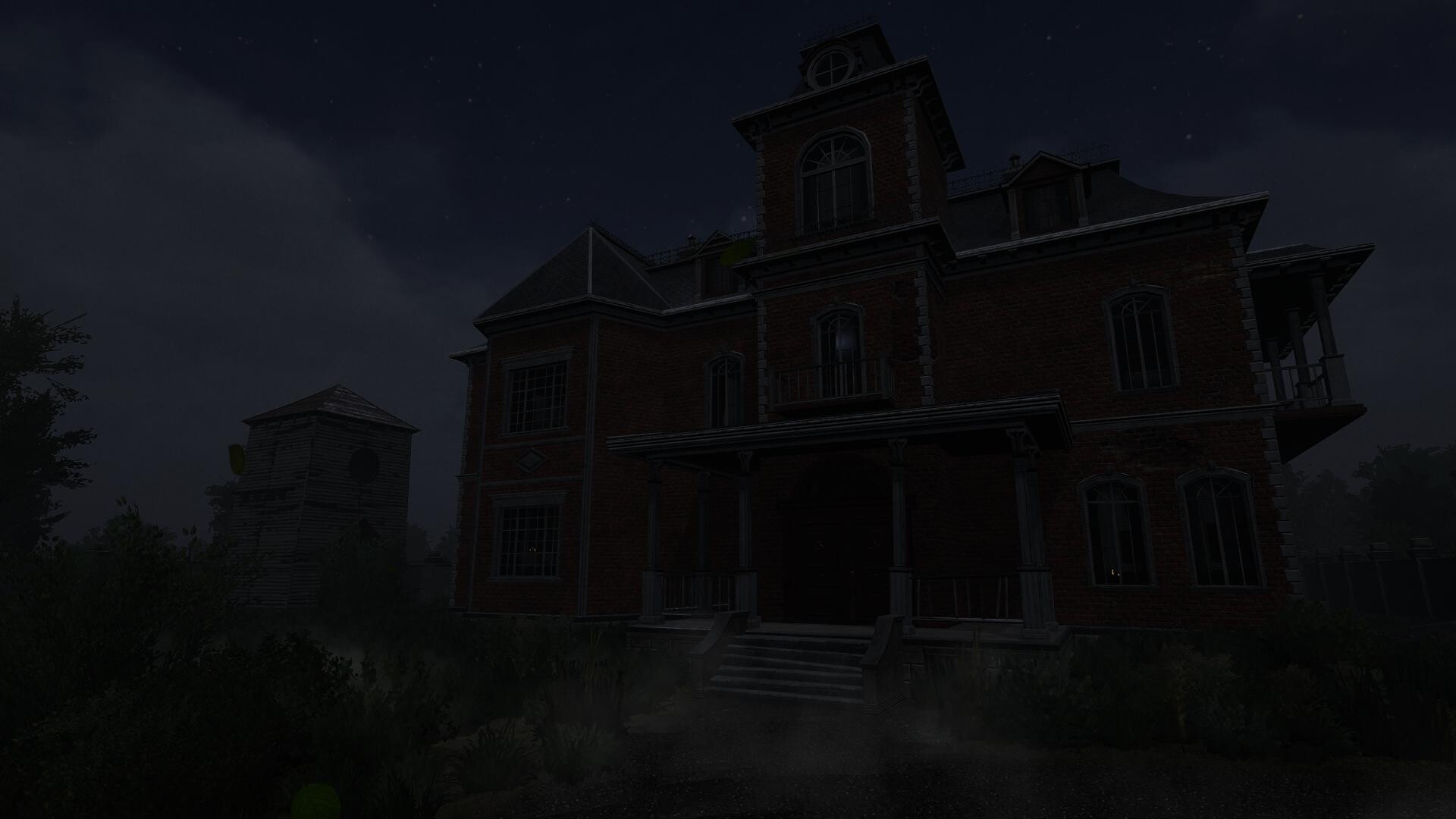
Trace of the Villa places you in a decaying, off-grid mansion that feels “less abandoned than erased.” According to the Steam description, Jin restores power and begins uncovering secured systems, hidden compartments, safes, encrypted documents, manifests and suspicious transfer records. The narrative emphasis is on assembling an evidentiary timeline from environmental clues rather than on fast-paced action or twitch reflexes.
When and where — Steam details
Trace of the Villa launched on 28 May, 2026 and is published and developed by Steadyturtle Co., Ltd. It’s listed on Steam under Action / Adventure / Indie and carries the Single-player and accessibility-friendly categories shown in the facts table above.
Who should wishlist or buy this
- Players who prefer slow-burn suspense and forensic curiosity over jump scares and combat — the estate’s traces and financial/personal records are the primary storytelling tools.
- Fans of atmospheric, mansion-based mysteries where exploration and piecing together timeline fragments drive the experience.
- Those who appreciate environmental storytelling and clue-driven exploration with an investigative tone — restoring systems and unlocking sealed evidence are explicit elements in the game’s description.
- Players who want configurable accessibility options (subtitles, custom volume controls, color alternatives) and non-timed input play.
Why the abandoned-estate theme matters here
Trace of the Villa uses an abandoned estate as both setting and forensic archive. Rooms that feel “erased” rather than merely empty force players to work from indirect evidence: manifests, encrypted fragments, transfer records and the residual traces of occupancy. That pattern shapes expectations — the game asks you to be patient, to notice environmental details and to treat the mansion like a slowly waking archive rather than a place of immediate confrontation.
How you progress — reading environmental evidence
The Steam description highlights mechanics of recovery and restoration: restoring power, reactivating secured systems, opening hidden compartments and safes, and uncovering encrypted documents and records. Progress appears tied to reconstructing a timeline and following financial/identity traces that point beyond the house itself. Expect exploration, puzzle-solving tied to unlocked systems, and narrative beats revealed through found items and documents.
Player scenarios — who will get the most from Trace of the Villa
- Scenario A — You loved atmospheric mystery adventures like the slow unraveling in point-and-click exploration: You’ll appreciate the focus on preserved rooms, ambiguous absences and documentary fragments.
- Scenario B — You want investigative pacing and forensic reward loops: The cycle of restoring systems and uncovering secured evidence fits players who enjoy methodical progress over instant gratification.
- Scenario C — You prefer accessibility and a single-player, non-timed investigation: The Steam categories include “Playable without Timed Input,” subtitles and custom volume controls, which support a measured playstyle.
How it compares — short editorial table
| Title | Year | Genre / Focus | Atmosphere / Pacing | Puzzle / Exploration emphasis |
|---|---|---|---|---|
| Trace of the Villa | 2026 | Action / Adventure / Indie — investigative mansion mystery | Slow-burn, forensic curiosity, estate-as-archive | Document-driven unlocking (power/systems, safes, manifests) |
| Amnesia: The Dark Descent | 2010 | Action / Adventure / Indie | Immersive horror; tense and atmospheric | Exploration with survival-horror mechanics and environmental storytelling |
| SOMA | 2015 | Action / Adventure / Indie | Philosophical sci‑fi horror; sustained tension | Exploration and narrative puzzles in a contained environment |
| Layers of Fear (2016) | 2016 | Adventure / Indie | Psychological, mansion-based; shifting spaces | Story-led, atmospheric puzzles and discovery |
| The Room | 2014 | Adventure / Indie | Focused, intimate puzzle-box atmosphere | Mechanical puzzle-solving in confined spaces |
| Rusty Lake Hotel | 2016 | Adventure / Indie | Dark, surreal vignette-style atmosphere | Short, symbolic puzzles and point-and-click exploration |
Comparison notes
Editorially, Trace of the Villa sits closer to story-rich, environmental investigations (Layers of Fear, The Room for focused puzzles, Rusty Lake for uncanny domestic detail) than to pure survival horror like Amnesia or the sci-fi dread of SOMA. Where Amnesia and SOMA lean into fear and existential stakes, Trace of the Villa emphasizes forensic reconstruction — uncovering records, system logs and transfers to map who visited and why identities were obscured.
Trailer / gameplay discovery
If you want to see trailers or gameplay clips, search YouTube for Trace of the Villa using this discovery link: YouTube search: Trace of the Villa trailer & gameplay. This is a search path rather than a verified single official video.
View Trace of the Villa on Steam
Final editorial guidance
Wishlist Trace of the Villa if you prefer detective-style, environmental puzzle play and patient, story-driven progress. If you expect constant thrills or survival mechanics, note that the Steam description centers on restoring systems, opening secured compartments and reading financial/identity traces — a different tempo from adrenaline-heavy horror.
Referenced titles and trademarks belong to their respective owners; comparisons in this article are editorial discovery only and not endorsements or claims of official connection.
Leave a Reply